Key takeaways
- Defrost when the ice layer reaches roughly 6 mm, or sooner if drawers begin sticking.
- Photograph shelf positions before removing them so reassembly is quick and accurate.
- Use towels with a waterproof tray; a small appliance can still release a surprising amount of meltwater.
- Check the door seal with a thin sheet of paper. If it slips out easily when the door is closed, the gasket may need attention.
What's inside
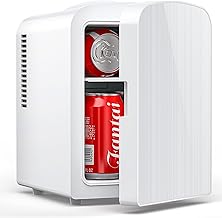
A mini fridge can look harmless until a thin glaze of ice turns into a hard, space-stealing shell. Frost reduces usable storage, makes drawers stick, and forces the compressor to work harder. In a compact room, it can also affect the atmosphere: an overworked fridge may hum more loudly, while a cluttered, poorly lit interior makes everyday use feel less considered.
This guide explains the safest, cleanest way to defrost a mini fridge in 2026, from preparing the space and protecting flooring to choosing a suitable de-icing product. It also covers when a spray is useful, why heat guns are a poor choice, and how to finish with a fresh, well-organised interior.
As an Amazon Associate we earn from qualifying purchases.


Best Way To Defrost Mini Fridge (2026)
Prepare the Fridge and the Room
Start by removing every food item, shelf, drawer, and removable door rack. Place chilled food in an insulated bag or cooler with ice packs; do not leave perishable food at room temperature while you work. Check the appliance manual before removing any parts, since some compact fridges have fixed shelves or a small freezer plate that should not be forced.
Unplug the fridge rather than relying only on its temperature dial. Turn off any connected ice maker or water supply. Lay absorbent towels around the base and place a shallow tray inside or beneath the appliance. If the mini fridge sits on timber, laminate, or a fabric rug, add a waterproof layer underneath. Good task lighting is helpful here: a rechargeable work light aimed from the side reveals thin ice along corners without casting the harsh shadows created by an overhead room light.
Let the Ice Soften Naturally
Open the door and allow the ice to thaw gradually. This is the safest method for the appliance because it avoids sudden temperature changes and protects plastic liners, seals, wiring, and the cooling plate. Keep the door fully open, but make sure children and pets cannot access the work area.
Never chip aggressively with a knife, screwdriver, or metal scraper. A punctured cooling line can permanently damage the refrigerator. Avoid hairdryers, heat guns, boiling water, and space heaters too: water and electricity are a dangerous combination, and concentrated heat can warp interior plastic or damage door seals. If the ice is thick, patience is cheaper than a repair.
Use Defrosting Spray Carefully
A purpose-made defrosting spray can speed up the final stage, particularly where a thin layer remains on the freezer plate or around the door edge. Products such as 2PCS Freezer Defroster Spray, Fridge Defrosting Spray, 120 ml, and Freezer Defroster Spray for Freezer & Fridge are designed for quick ice removal and may also help with light residue or odour. Smaller products, including 4oz Defrost Spray for Fridge and Freezer and 2PCS Defrosting Spray for Fridge Freezer, 4 fl oz, are practical for occasional mini-fridge maintenance.
Use only a product whose label states that it is suitable for refrigerator or freezer interiors. Apply it to the ice as directed, never to a plugged-in appliance, food, electrical controls, or ventilation openings. Do not mix it with bleach, vinegar, detergent, or another cleaning chemical. After the ice releases, wipe the surface several times with clean water and dry it completely. Ventilate the room if the label calls for it, and follow the product’s waiting and rinsing instructions rather than assuming all sprays work alike.
Clean, Dry, and Restore the Interior
Once the ice has gone, wash removable parts with mild dish soap and lukewarm water. Wipe the interior with a soft cloth and a gentle, appliance-safe cleaner. Pay attention to the door gasket, corners, and drain area, where spills often collect. Avoid abrasive pads, strong solvents, and scented cleaners that may leave odours behind.
Dry every surface thoroughly before reconnecting the fridge. Moisture left on the freezer plate will quickly refreeze. Inspect the gasket for cracks or gaps, and make sure shelves are seated correctly. If the mini fridge has a dispenser or water line, do not poke at a frozen tube with a sharp object. A specialist product such as the Unfreeze Water Line Tool, with its narrow hose for refrigerator or ice-maker lines, may be appropriate only when the appliance and product instructions specifically support that use.
Restart and Improve the Ambience
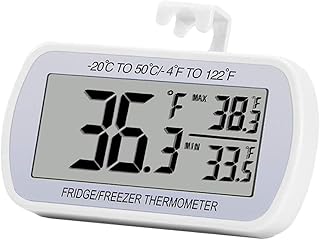
Plug the fridge back in and allow it to cool before returning food—usually several hours, depending on the model. Keep the door closed during this period. A refrigerator thermometer is more reliable than judging by touch; aim for the temperature recommended in the manual, generally around 4°C for the fresh-food compartment.
Use the reset as an opportunity to improve the interior experience. Group frequently used items at eye level, leave air channels around the cold plate, and avoid packing food tightly against the rear wall. If the fridge has an interior lamp, choose a soft, neutral-white surrounding light rather than placing a bright lamp directly in front of the open door. Side illumination makes labels easier to read while preserving a calm, low-glare feel in a bedroom, studio, or home office.
Tips
- Defrost when the ice layer reaches roughly 6 mm, or sooner if drawers begin sticking.
- Photograph shelf positions before removing them so reassembly is quick and accurate.
- Use towels with a waterproof tray; a small appliance can still release a surprising amount of meltwater.
- Check the door seal with a thin sheet of paper. If it slips out easily when the door is closed, the gasket may need attention.
Frequently Asked Questions
How long does a mini fridge take to defrost?
A light coating may disappear in 30 to 90 minutes, while heavy frost can take several hours. Room temperature, ice thickness, and the design of the freezer compartment all make a difference. Keep the appliance unplugged until the ice and meltwater have been fully removed.
Can I defrost a mini fridge without unplugging it?
It is not recommended. Unplugging removes power while water is present and lets the appliance thaw safely. Turning the thermostat down does not provide the same protection and may leave the compressor or interior controls energised.
Are defrosting sprays safe for every mini fridge?
No. Check the label and your appliance manual first. Use only sprays intended for refrigerator or freezer interiors, observe ventilation and rinsing instructions, and keep the product away from food, electrical parts, and damaged surfaces.
Why does frost return so quickly?
Rapid refrosting can indicate frequent door opening, warm food being stored, blocked airflow, a loose gasket, or excessive humidity. If frost forms heavily in one unusual area or the fridge does not hold temperature, arrange a professional inspection rather than repeatedly scraping it away.
Conclusion
The best way to defrost a mini fridge is controlled, unhurried, and gentle: unplug it, let the ice soften, use a labelled spray only where appropriate, clean and dry every surface, then restart with sensible spacing. The result is not merely more capacity; it is a quieter, brighter, more welcoming appliance that works efficiently within the room around it.