Key takeaways
- Crosscut on a full 4×8 sheet: Clamp the board to a pair of sawhorses with the cut line overhanging the edge by at least two inches. A compact circular saw with a 60-tooth finishing blade moves through hardboard quickly while leaving a polished edge. Use a straight-edge clamp as a fence to keep the line dead straight.
- Straight cuts on panels under 24 inches: A laminate-style floor cutter with a rocking blade can shear through thinner pegboard in one motion — no dust, no motor noise, no tear-out on either face. It is remarkably fast for repetitive cuts when you are building multiple display panels.
- Intricate or inside cuts: For holes that need to go around outlets, brackets, or lighting mounts, a compact corded saw with a laser guide lets you plunge and follow a curved line with much more control than a jigsaw on a wobbly sheet.
- Quick trims and odd angles: A multi-blade hand saw with a quick-change mechanism gives you fine control for trimming a panel down by a quarter inch or cutting a bevel for a corner display without setting up a power tool.
What's inside
Cutting pegboard sounds simple until you actually hold a sheet and realize that ragged, fuzzy edges catch every shadow and throw off the clean line you wanted for your workshop wall or retail display. As someone who designs lighting setups and display environments for a living, I spend a lot of time around pegboard — it is the backbone behind countless fixture mounts, prop walls, and tool organization panels. A bad cut does not just look sloppy; it creates splinter pockets that snag cables, snag finishes, and make mounting hardware seat unevenly, which means your carefully planned lighting grid starts crooked before you even power it on.
This guide walks you through exactly how to get a factory-clean pegboard cut with tools that are actually worth owning in 2026. You will learn what blade type and speed matter most for the hardboard and composite core most pegboard uses, how to plan your cut line to minimize waste, which cutting methods protect the factory-drilled holes from tearing, and a few tricks that separate a passable edge from one you would be proud to put a spotlight against. We have also included our recommended picks below so you can match the right tool to your project without hours of comparison shopping.
As an Amazon Associate we earn from qualifying purchases.


Understand What Pegboard Actually Is Before You Cut
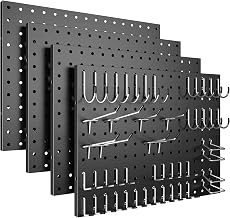
Most pegboard sold at home centers is tempered hardboard — compressed wood fibers bonded with resin and pressed into a smooth, dense sheet. The surface looks uniform, but the interior is fibrous enough that a dull or wrong blade will pull chunks out along the cut line. Thinner hobby panels (around three-sixteenths of an inch) behave almost like cardboard and flex dangerously under a high-speed blade, while thicker half-inch shop panels can generate surprising heat if you push too fast. Knowing your material thickness and composition up front tells you whether a manual shear, a fine-tooth circular saw, or a simple utility blade will give you the cleanest result.
Choose the Right Cutting Method for Your Sheet Size
- Crosscut on a full 4×8 sheet: Clamp the board to a pair of sawhorses with the cut line overhanging the edge by at least two inches. A compact circular saw with a 60-tooth finishing blade moves through hardboard quickly while leaving a polished edge. Use a straight-edge clamp as a fence to keep the line dead straight.
- Straight cuts on panels under 24 inches: A laminate-style floor cutter with a rocking blade can shear through thinner pegboard in one motion — no dust, no motor noise, no tear-out on either face. It is remarkably fast for repetitive cuts when you are building multiple display panels.
- Intricate or inside cuts: For holes that need to go around outlets, brackets, or lighting mounts, a compact corded saw with a laser guide lets you plunge and follow a curved line with much more control than a jigsaw on a wobbly sheet.
- Quick trims and odd angles: A multi-blade hand saw with a quick-change mechanism gives you fine control for trimming a panel down by a quarter inch or cutting a bevel for a corner display without setting up a power tool.
Control Dust and Debris at the Source
Hardboard dust is fine enough to drift across a room and settle on every lens, reflector, and fixture in your space. If you are cutting indoors — which most pegboard projects require — pick a tool with built-in dust extraction or pair your cut with a shop vacuum held near the blade. A corded compact saw with a dust port and vacuum attachment will pull the majority of the particulate before it ever hits the air. If you are using a manual cutter or shears, lay a plastic drop cloth beneath the work area and mist the cut line lightly with water; the moisture traps fibers and keeps them from becoming airborne.
Protect the Factory Finish on Both Faces
Pegboard arrives with a smooth face that is meant to be seen — one side is slightly rougher and is designed to sit against the wall. Always plan your cut with the finished face down against a sacrificial backer board. The blade enters from the rough side, so any micro-chipout happens where nobody sees it. Applying painter’s tape along the cut line on the finished face adds another layer of insurance; the tape holds surface fibers in place as the blade passes and peels away clean when you are done.
Measure Twice, Account for Kerf Once
A saw blade removes material equal to its kerf width — typically one-eighth of an inch for a standard circular blade. Mark your cut line on the waste side of the measurement so the finished piece stays at the exact dimension you need. This matters most when you are fitting pegboard into a framed display niche or aligning a grid of pre-drilled holes with a lighting track. After your first cut, test-fit a scrap piece before committing to the full panel; a single dry run saves a surprising amount of frustration.
Tips
- Run the blade at full speed for at least two seconds before engaging the wood; starting the cut at operating speed eliminates the grab-and-tear that happens when a blade bites at low RPM.
- For long straight cuts, clamp a metal straight-edge to the panel and ride the base plate of your saw against it rather than trying to follow a pencil line freehand.
- Stack and tape two thin pegboard sheets together when you need identical pieces; cutting them as one unit ensures the hole patterns match perfectly when you separate them.
- Deburr the cut edge with a single pass of 150-grit sandpaper wrapped around a small block; ten seconds of sanding removes the slight lip that catches light and makes an edge look unfinished.
Frequently Asked Questions
Can I use a standard utility knife to cut pegboard?
A utility knife works on very thin hobby-grade pegboard if you score it repeatedly along a straight edge, but it will not produce a clean edge on half-inch shop panels. You will end up with a ragged, layered tear rather than a cut. Save the utility knife for scoring paint lines and reserve actual cutting for a blade designed for the material thickness.
What blade tooth count gives the smoothest pegboard edge?
A 60-tooth carbide-tipped blade on a circular saw delivers the cleanest edge on hardboard pegboard. Fewer teeth (like a 24-tooth framing blade) will rip through the material faster but leave a visibly rough surface that demands significant sanding. More than 80 teeth offers diminishing returns and actually increases heat buildup in this soft material.
How do I cut pegboard without chipping the holes near the cut line?
Holes within a half inch of the cut line are the most vulnerable. Reduce your feed speed when approaching them and keep the board firmly clamped so vibration does not widen or crack the hole edge. Placing a strip of masking tape over the holes nearest the cut line before you begin will hold the fibers together as the blade passes through.
Is a cordless shear or electric scissor a good option for pegboard?
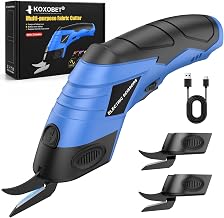
Cordless electric shears are designed for softer materials like fabric, carpet, and thin cardboard. They lack the torque and blade hardness to cleanly shear tempered hardboard. You can use them on paper-backed decorative pegboard without much trouble, but for standard hardboard panels a rotary saw or a dedicated laminate-style cutter will give you far better results.
Conclusion
A clean pegboard cut is not about expensive equipment — it is about matching the right blade speed and tooth count to a compressed fiberboard material, controlling dust before it spreads, and protecting the show face with a sacrificial backer. Get those three things right and even a budget compact saw will leave you with edges sharp enough to mount behind any lighting display without a second thought.