Key takeaways
- Light Interaction: Consider how the vine’s leaf shape and density filter sunlight. Broad-leaved climbers like Thunbergia cast bold, graphic shadows on patio surfaces, while fine-textured wisteria creates a softer, more diffused glow underneath. Match the light quality you want to how you actually use the space.
- Fragrance at Twilight: If your pergola is near a dining or seating area, scent becomes part of the ambience. Climbing jasmine releases its strongest fragrance in the evening — ideal for spaces used after dinner. Wisteria’s scent is subtler and more daytime-oriented.
- Growth Speed vs. Patience: Fast growers like Thunbergia Grandiflora and wisteria can fill a pergola in one to two growing seasons, while jasmine takes longer to establish. Decide whether you need immediate coverage or can invest time for a denser, more permanent canopy.
- Climate Hardiness: Wisteria thrives in USDA zones 4 through 9 and goes dormant in winter, while jasmine and Thunbergia prefer warmer conditions. A plant that fights your climate will never produce the full, luxurious coverage a pergola needs to look intentional.
- Maintenance Commitment: Some vines — wisteria especially — require aggressive pruning to stay on structure and avoid overwhelming the frame. If you want a hands-off approach, jasmine is more forgiving and less likely to damage wooden or metal pergola components over time.
What's inside
A pergola without a living canopy is just a frame waiting for atmosphere. As someone who designs how people feel in outdoor spaces, the difference between a bare structure and one laced with cascading blooms comes down to how it catches light, filters shadow, and fills the air with scent after sundown. The right climbing plant does triple duty: it softens hard geometry, creates dappled shade that shifts throughout the day, and turns an ordinary backyard into a room with a ceiling that breathes.
Not every vine performs the same job, though. Some bloom fast but fade quickly, others take a season to establish before rewarding you with a canopy worthy of golden-hour photography. This guide covers the strongest options for pergola coverage in 2026, weighing growth speed, fragrance, light-filtering quality, and how each plant behaves once it matures overhead.
As an Amazon Associate we earn from qualifying purchases.


How to Choose a Pergola Plant (2026)
- Light Interaction: Consider how the vine’s leaf shape and density filter sunlight. Broad-leaved climbers like Thunbergia cast bold, graphic shadows on patio surfaces, while fine-textured wisteria creates a softer, more diffused glow underneath. Match the light quality you want to how you actually use the space.
- Fragrance at Twilight: If your pergola is near a dining or seating area, scent becomes part of the ambience. Climbing jasmine releases its strongest fragrance in the evening — ideal for spaces used after dinner. Wisteria’s scent is subtler and more daytime-oriented.
- Growth Speed vs. Patience: Fast growers like Thunbergia Grandiflora and wisteria can fill a pergola in one to two growing seasons, while jasmine takes longer to establish. Decide whether you need immediate coverage or can invest time for a denser, more permanent canopy.
- Climate Hardiness: Wisteria thrives in USDA zones 4 through 9 and goes dormant in winter, while jasmine and Thunbergia prefer warmer conditions. A plant that fights your climate will never produce the full, luxurious coverage a pergola needs to look intentional.
- Maintenance Commitment: Some vines — wisteria especially — require aggressive pruning to stay on structure and avoid overwhelming the frame. If you want a hands-off approach, jasmine is more forgiving and less likely to damage wooden or metal pergola components over time.
The Best Pergola Plants (2026) Reviewed
Climbing Jasmine Seeds (White Flowering Vine)
From an ambience standpoint, jasmine is unmatched for evening-heavy spaces. Its small white blooms don’t create dramatic overhead color, but they do release an intoxicating fragrance that intensifies as temperatures drop — turning a pergola into the most inviting spot in the yard after dark. The vine’s evergreen foliage keeps the structure looking lush year-round in mild climates, and its moderate growth rate makes it manageable without constant trimming. Plant these seeds along the base and train upward for a clean, elegant canopy that rewards patience.
Thunbergia Grandiflora (Blue Trumpet Vine)
This is the pick when you want visual impact fast. Thunbergia Grandiflora produces large blue trumpet-shaped flowers that read beautifully from a distance, and its vigorous growth can cover a pergola in a single season in the right conditions. The broad leaves create bold shadow patterns on patio furniture and decking — a detail that matters if you care about how a space feels in afternoon light. It’s less cold-hardy than wisteria, so this is strictly for warmer climates, but in those zones it’s hard to beat for instant tropical presence.
Wisteria Live Plants (3-Pack, 1–2 Ft)
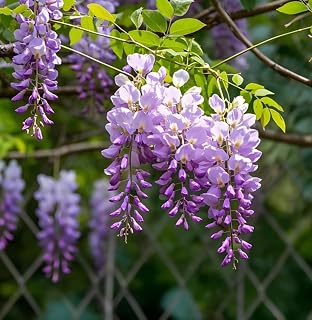
Nothing else on this list produces the same overhead drama as a mature wisteria in full bloom. These live plants arrive at a size that lets you establish strong root structure early, and once they take hold, the cascading racemes create a canopy that looks straight out of a European courtyard. The three-pack is practical for planting along both sides of a pergola to encourage even coverage. Expect to invest time in pruning, but the payoff — a ceiling of lavender-blue flowers every spring — justifies the effort.
Wisteria Seeds (20 Heirloom Non-GMO)
If budget and flexibility matter, starting wisteria from seed gives you control over placement and lets you establish multiple vine points across a larger pergola. The tradeoff is patience: seed-grown wisteria takes several years to reach blooming maturity compared to live plants. However, heirloom non-GMO seed stock tends to produce vigorous, genetically diverse plants that establish well once rooted. This is a smart option for builders who are constructing a pergola now and planning to fill it over time.
Wisteria Live Plants (2-Pack, 1–2 Ft)
The two-pack works best for smaller pergolas or for growers who want one strong vine per side without excessive density early on. These live plants hit the ground running with established root systems, and the slightly smaller quantity per package can mean better value if you’re covering a modest structure. Same stunning spring bloom potential as the three-pack — just a more proportional choice for compact outdoor spaces.
Frequently Asked Questions
How long before a pergola plant provides real shade?
Fast growers like Thunbergia can create usable shade within one growing season. Wisteria typically takes two to three years from planting to full overhead coverage. Jasmine falls somewhere in between, often reaching a meaningful canopy by the second summer if conditions are favorable.
Do pergola vines damage the structure over time?
Heavy vines like wisteria can add significant weight and their woody stems may pry into joints or gutters over time. Regular pruning is the best defense. Jasmine and Thunbergia are lighter-bodied and far less likely to cause structural wear, making them safer choices for wooden or lightweight metal pergolas.
Can I grow these pergola plants in containers?
All of these vines can start in containers placed at the base of a pergola. Jasmine adapts to container life most comfortably. Wisteria and Thunbergia will eventually need deep, well-drained soil to reach their full size, so ground planting is preferred for maximum overhead coverage.
Which option works best for privacy screening?
Thunbergia Grandiflora wins for privacy because its dense foliage and rapid growth create a thick visual barrier quickly. Wisteria also provides excellent screening once established, though its deciduous nature means less cover during winter months. Jasmine’s finer leaves offer partial screening rather than full privacy.
Final Thoughts
For evening ambience and fragrance, climbing jasmine is the clear winner. For sheer visual drama and canopy presence, wisteria live plants remain the gold standard despite the maintenance commitment. And if you need fast coverage in a warm climate with bold color, Thunbergia Grandiflora delivers results almost immediately. Match the vine to how you actually use your outdoor space, and the pergola will stop being furniture and start being the room everyone gravitates toward.