Key takeaways
- Motor Power and RPM: Look for at least 15 amps on a table saw motor spinning above 4,000 RPM for clean rip cuts through hardwood. For routers, anything above 1.25 HP with variable speed handles most furniture joinery without bogging down.
- Rip Capacity and Table Surface: A rip capacity of 30 inches or more gives you room to break down full sheets of plywood, which is essential for casework and built-in furniture projects. A flat, large infeed and outfeed table reduces tear-out and makes feeding stock feel effortless.
- Portability and Footprint: If your workshop shares space with a living area or garage, prioritize foldable stands and compact designs. A rolling saw stand that collapses flat transforms a room from living space to job site in under a minute.
- Router Compatibility and Fence Quality: A router table is only as good as its fence alignment. Choose tables with micro-adjustable fences and accept industry-standard router mounting patterns so you aren’t locked into one brand of tool.
- Dust Collection and Safety Features: Blade guards, riving knives, and effective dust ports aren’t luxuries—they’re what let you work confidently for hours without breathing sawdust or second-guessing every cut.
What's inside
If you’ve ever tried to outfit a small home workshop, you know the moment: you’re staring at a cramped corner, comparing the footprint of a table saw against a router table, and doing the grim arithmetic of space versus ambition. Most furniture hobbyists end up buying two separate machines they can barely fit, or settling for a combo setup that compromises on one function or the other. The result is a workspace that feels more like a storage unit than a creative studio.
This guide cuts through that trade-off. We paired and compared six standout machines and kits from DEWALT, BOSCH, and SKIL to find table saw and router combos that actually earn their square footage. Below you’ll find our curated picks, a practical buying checklist, and straight answers to the questions that matter most when you’re investing in shop furniture that will see real use for years.
As an Amazon Associate we earn from qualifying purchases.


How to Choose a Table Saw Router Combo (2026)
- Motor Power and RPM: Look for at least 15 amps on a table saw motor spinning above 4,000 RPM for clean rip cuts through hardwood. For routers, anything above 1.25 HP with variable speed handles most furniture joinery without bogging down.
- Rip Capacity and Table Surface: A rip capacity of 30 inches or more gives you room to break down full sheets of plywood, which is essential for casework and built-in furniture projects. A flat, large infeed and outfeed table reduces tear-out and makes feeding stock feel effortless.
- Portability and Footprint: If your workshop shares space with a living area or garage, prioritize foldable stands and compact designs. A rolling saw stand that collapses flat transforms a room from living space to job site in under a minute.
- Router Compatibility and Fence Quality: A router table is only as good as its fence alignment. Choose tables with micro-adjustable fences and accept industry-standard router mounting patterns so you aren’t locked into one brand of tool.
- Dust Collection and Safety Features: Blade guards, riving knives, and effective dust ports aren’t luxuries—they’re what let you work confidently for hours without breathing sawdust or second-guessing every cut.
The Best Table Saw Router Combo (2026) Reviewed
SKIL RT1323-01 Router Table and Router Kit
This all-in-one kit pairs a sturdy portable router table with SKIL’s 10-amp fixed-base router, giving you an out-of-the-box routing station without sourcing separate components. The integrated fence and MDF top deliver surprisingly consistent results for the price, making it an ideal first router setup for someone building furniture in a small shop.
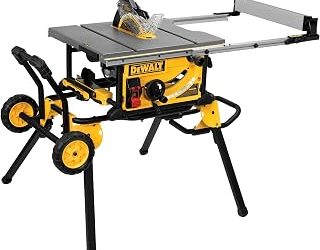
DEWALT DWE7491RS Table Saw
DEWALT’s 10-inch rolling stand saw is the workhorse that shows up in nearly every serious home workshop for a reason: its 15-amp motor, 4800 RPM blade speed, and 32-1/2-inch rip capacity handle everything from rip-cutting oak planks to cross-cutting plywood panels. The foldable rolling stand means this cabinet-grade capability tucks away when the room needs to go back to normal life.
DEWALT DWE7485 Compact Table Saw
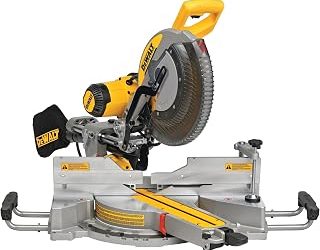
When every square inch of floor space counts, the DEWALT DWE7485 squeezes 15 amps of cutting power into an 8-1/4-inch frame that sits comfortably on a benchtop. It won’t match the rip capacity of its bigger sibling, but for trimming furniture parts and making precision cross-cuts on smaller stock, its compact footprint is genuinely hard to beat.
BOSCH RA1141 Portable Benchtop Router Table
BOSCH built the RA1141 around a flat aluminum top and an easy-glide fence system that stays put once you lock it down. The quick-release router mounting plate lets you swap bits without crawling under the table, and the folding fence wings give you extra support when routing longer furniture components like table aprons or door rails.
BOSCH 1617EVSPK Combination Router Kit
The 1617EVSPK ships with both plunge and fixed bases powered by a smooth 2.25-HP motor with electronic speed control that holds RPM steady under load. For furniture makers who need to dial in mortises, rabbets, and decorative profiles on the same afternoon, this kit adapts quickly and cuts cleanly across hardwoods without the chatter that plagues weaker routers.
Frequently Asked Questions
Can I mount a router table directly onto a table saw extension wing?
Yes, many woodworkers attach a router table to the right-side extension of a contractor saw. This saves floor space and creates one continuous work surface, but verify that your saw’s extension wing is flat and rigid enough to support the router table’s weight without flexing.
Is a 10-inch table saw enough for furniture making?
A 10-inch blade will comfortably rip boards up to about 3-1/2 inches thick and cross-cut sheets with the right fence setup. For the vast majority of furniture projects—tables, chairs, cabinets, and shelving—a 10-inch saw is more than sufficient.
What’s the difference between fixed-base and plunge routers for furniture work?
A fixed-base router excels at edge profiling, dadoes, and any cut where you start from the edge of the workpiece. A plunge base lets you lower the bit into the middle of a board, which is essential for mortises and interior cutouts. Owning both base styles, as the BOSCH 1617EVSPK kit provides, covers every furniture-making scenario.
How important is dust collection in a home shop?
Critical. Fine sawdust from hardwoods is a long-term respiratory hazard, and it settles on every surface in your home if left unchecked. Choose tools with standard dust ports and connect them to even a basic shop vacuum—it makes a dramatic difference in air quality and cleanup time.
Final Thoughts
For most home furniture builders balancing space, power, and value, the DEWALT DWE7491RS stands out as the top table saw, while the BOSCH 1617EVSPK delivers the most versatile routing performance. If budget and compact space are the primary concerns, pairing the DEWALT DWE7485 with the BOSCH RA1141 gives you a capable two-machine setup that fits in a footprint smaller than a single full-size cabinet saw.