Key takeaways
- Durability: Choose a tightly woven cloth or coated vinyl that can handle friction, spills, and frequent movement without quickly showing wear.
- Cleanability: For busy households, wipeable polyurethane or marine vinyl is more forgiving than absorbent natural fibers.
- Lighting response: Matte linen textures soften overhead illumination, while smooth faux leather reflects highlights and can make a darker room feel brighter.
- Color and scale: Order enough material to keep every chair visually consistent, and remember that large flat seat panels make color appear stronger than a small swatch.
- Handling: Look for fabric with enough body to staple neatly around corners without excessive stretching, puckering, or fraying.
What's inside
Reupholstering dining chairs is one of those projects where the fabric can look perfect in a sample and disappointing once it meets real meals, evening light, and daily use. Color shifts under warm bulbs, thin cloth reveals every contour of the seat, and a surface that feels luxurious may not withstand repeated sliding in and out from the table.
This guide compares practical upholstery materials with an eye for both performance and ambience. We consider texture, cleanability, visual warmth, coverage, and how each option shapes the dining room after sunset—from soft, linen-like diffusion to the crisp, reflective character of faux leather.
As an Amazon Associate we earn from qualifying purchases.



How to Choose a Material To Reupholster Dining Room Chairs (2026)
- Durability: Choose a tightly woven cloth or coated vinyl that can handle friction, spills, and frequent movement without quickly showing wear.
- Cleanability: For busy households, wipeable polyurethane or marine vinyl is more forgiving than absorbent natural fibers.
- Lighting response: Matte linen textures soften overhead illumination, while smooth faux leather reflects highlights and can make a darker room feel brighter.
- Color and scale: Order enough material to keep every chair visually consistent, and remember that large flat seat panels make color appear stronger than a small swatch.
- Handling: Look for fabric with enough body to staple neatly around corners without excessive stretching, puckering, or fraying.
The Best Material To Reupholster Dining Room Chairs (2026)s Reviewed
TinaKim Thick Faux Linen Upholstery Fabric
TinaKim’s flaxen faux-linen material is a welcoming choice for dining rooms built around warm wood, brass, or amber pendant lighting. Its substantial hand helps disguise minor seat imperfections, while the woven look introduces gentle shadowing that keeps chairs from appearing flat under direct downlights.
Wento Beige Faux Leather Upholstery Fabric
Wento’s beige PU leather gives dining chairs a clean, tailored finish with a warmer and more approachable effect than stark white vinyl. The smooth surface is particularly useful around dining tables because crumbs and everyday spills can be removed easily, and its subtle sheen catches candlelight without becoming overly glossy.
Heavy Linen Fabric in Dark Grey
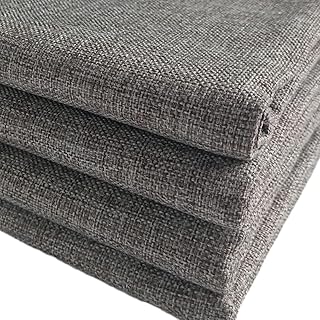
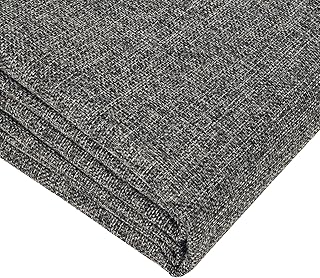
This heavy dark-grey linen-texture fabric brings a grounded, architectural feel to contemporary or industrial dining spaces. It absorbs some glare from bright fixtures and creates a calm backdrop for lighter tableware, though it is best suited to households prepared to treat spills promptly rather than relying on wipe-clean performance.
Faux Linen Needlework Fabric in Grey Blue
The grey-blue faux-linen fabric is a strong option when the dining room needs color without visual noise. Its cool undertone looks especially refined beneath neutral-white lighting, while its generous width and length make it practical for covering multiple chair seats or coordinating with a bench.
Soft Waterproof Synthetic Marine Vinyl in Grey
This grey marine vinyl prioritizes resilience and easy maintenance, making it a sensible pick for family dining areas, breakfast nooks, and chairs that see heavy use. The waterproof surface has a slightly more technical character, but softer lighting, natural timber, and textured rugs can balance that crispness beautifully.
Frequently Asked Questions
What is the best overall material for dining chair seats?
For a balance of comfort, appearance, and straightforward installation, a thick faux-linen upholstery fabric is often the best all-rounder. Choose vinyl instead when spill resistance and quick cleaning matter more than a soft, textile-led atmosphere.
Is faux leather suitable for dining room chairs?
Yes. Faux leather is especially practical for households with children or frequent entertaining because it resists many everyday spills and wipes clean. Beige and mid-grey shades generally look less severe than black while still providing a polished, tailored finish.
How much fabric do I need per dining chair?
A typical dining chair seat usually requires around half a yard, depending on its shape, thickness, and pattern direction. Measure the seat, add enough fabric to wrap underneath and staple securely, then include extra allowance for mistakes or matching several chairs.
Should I use linen or vinyl in a dim dining room?
Linen-like fabric creates a softer, more absorptive mood and works well with warm lamps or low-glare pendants. Vinyl reflects more light and can add definition to a darker room, but select a subdued finish so the chairs do not look overly shiny.
Final Thoughts
For the most versatile blend of texture and dining-room warmth, TinaKim Thick Faux Linen is the standout starting point. Wento Beige Faux Leather is the practical choice for easy cleanup, while the Soft Waterproof Synthetic Marine Vinyl suits high-traffic homes that need maximum resilience without abandoning a restrained, modern palette.