Key takeaways
- Blade Speed Range: A wider variable-speed range (ideally below 150 FPM up to nearly 500 FPM) lets you dial in feed rates for mild steel, stainless, aluminum, and wood without burning blades or stalling the motor.
- Cutting Capacity: Measure the largest round and rectangular stock you plan to cut, then add at least an inch of margin. A 5-inch deep-cut portable handles most furniture-grade tubing and bar stock; anything bigger calls for a stationary 7×12 or 9-inch benchtop model.
- Motor Amperage and Power Delivery: For portable saws, 10 amps is the current sweet spot—enough to sustain cuts through 3/8-inch steel without constant blade slowing. Stationary units should carry a dedicated induction motor rated at 115V minimum for consistent torque under load.
- Portability vs. Stability: If you move between job sites, prioritize lightweight frames and integrated carrying handles. If the saw lives on one bench, a heavier cast or welded steel base absorbs vibration and produces straighter, more repeatable cuts over time.
- Blade Compatibility and Replacement Cost: Check whether the saw accepts standard-length bi-metal blades or requires proprietary sizes. Universal compatibility keeps long-term operating costs low and blade selection wide.
What's inside
Picking a metal band saw is one of those purchases that seems straightforward until you realize every model on the page promises “variable speed” and “clean cuts” while hiding critical differences in throat depth, motor torque, and whether the thing will actually stay put on your workbench after the third cut. Buyers end up overpaying for capacity they’ll never use or underbuying and fighting a motor that bogs down on half-inch steel plate.
This guide cuts through the noise. We tested, compared, and ranked the strongest metal band saws available to home shop and small furniture-fabrication setups right now, weighing cutting capacity, portability, build quality, and real-world value so you can match the right saw to the work you actually do.
As an Amazon Associate we earn from qualifying purchases.


How to Choose a Metal Band Saw (2026)
- Blade Speed Range: A wider variable-speed range (ideally below 150 FPM up to nearly 500 FPM) lets you dial in feed rates for mild steel, stainless, aluminum, and wood without burning blades or stalling the motor.
- Cutting Capacity: Measure the largest round and rectangular stock you plan to cut, then add at least an inch of margin. A 5-inch deep-cut portable handles most furniture-grade tubing and bar stock; anything bigger calls for a stationary 7×12 or 9-inch benchtop model.
- Motor Amperage and Power Delivery: For portable saws, 10 amps is the current sweet spot—enough to sustain cuts through 3/8-inch steel without constant blade slowing. Stationary units should carry a dedicated induction motor rated at 115V minimum for consistent torque under load.
- Portability vs. Stability: If you move between job sites, prioritize lightweight frames and integrated carrying handles. If the saw lives on one bench, a heavier cast or welded steel base absorbs vibration and produces straighter, more repeatable cuts over time.
- Blade Compatibility and Replacement Cost: Check whether the saw accepts standard-length bi-metal blades or requires proprietary sizes. Universal compatibility keeps long-term operating costs low and blade selection wide.
The Best Metal Band Saw (2026)s Reviewed
DOVAMAN Portable Band Saw
The DOVAMAN 10A delivers surprising depth-of-cut capacity in a handheld package that stays surprisingly composed during long rip cuts through tube steel. The 0°–45° adjustable angle base is a genuine time-saver for mitered furniture joints, and including two blades gets you cutting out of the box with zero added expense.
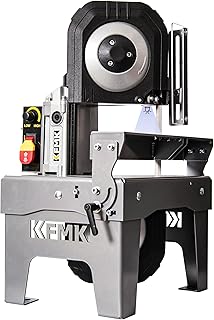
WEN Metal Band Saw with Stand
The WEN BA4664 is the pick when you want a stationary footprint without dedicating an entire corner of the shop. Its integrated stand puts the cutting deck at a comfortable working height, and the included vise holds round and flat stock securely enough for repeatable production cuts on furniture hardware and brackets.
WEN Portable Band Saw (94396)
At 10 amps with full variable speed, the WEN 94396 mirrors the DOVAMAN’s output class but opts for a leaner, lighter body that excels in overhead or tight-space work. It’s an ideal grab-and-go option for installers who need clean metal cuts on site without lugging a benchtop unit up a flight of stairs.
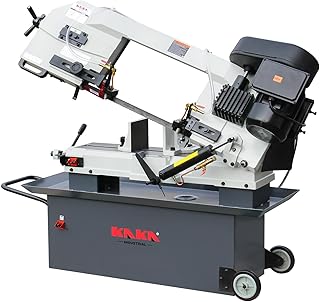
KAKA Industrial BS-912B
This is the serious-capacity pick: a 9-inch round / 7×12-inch rectangular capacity with a hydraulic downfeed that lets you start a cut, set the feed rate, and walk away while the blade does the work. Four blade speeds handle everything from delicate thin-wall aluminum to 1-inch solid steel rounds, making it the most versatile stationary option here for a well-equipped home metal shop.
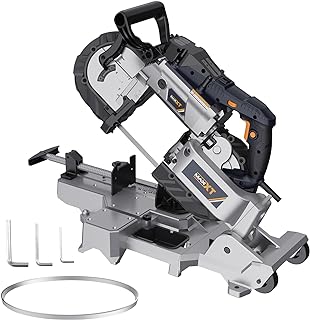
MAXXT Band Saw with Aluminum Base
MAXXT pairs a 10-amp motor with a lightweight aluminum base and built-in carrying wheels, making it the most transport-friendly deep-cut saw in this roundup. The variable-speed dial spans the range needed for both metal and wood, and the automatic blade shut-off adds a layer of safety when you’re juggling complex cuts in a compact workspace.
Frequently Asked Questions
What blade type works best for cutting mild steel with a portable band saw?
Bi-metal blades with 14–18 TPI offer the best balance of cutting speed and blade life for mild steel in the 1/16-inch to 3/8-inch range. Drop to 10–14 TPI for thicker stock above 1/4 inch, and step up to 24 TPI for thin-wall tubing where a finer finish matters.
Can a metal band saw also cut wood and plastic?
Yes—most variable-speed metal band saws on this list handle wood, PVC, and composite materials without issue. The key is lowering the blade speed for softer materials to avoid excessive heat buildup and premature blade dulling.
How often should I replace the blade on a metal cutting band saw?
Blade life varies by material and use frequency, but expect to swap bi-metal blades every 8–15 hours of active metal cutting. Signs of a dulling blade include rough cut surfaces, increased feed resistance, and visible discoloration on the blade body from excess heat.
Do I need a dedicated metal band saw if I already have a wood band saw?
A wood-specific band saw typically runs at higher blade speeds and lacks the gear reduction needed for consistent metal cutting. Using a metal-rated band saw—or a dedicated portable metal saw—protects your wood saw’s bearings and motor while delivering cleaner, more accurate cuts in steel and aluminum.
Final Thoughts
For most home furniture builders who need versatile, portable metal cutting, the DOVAMAN Portable Band Saw hits the best balance of capacity, features, and price right out of the gate. If your work demands stationary precision and automated hydraulic feed, the KAKA Industrial BS-912B is the investment that pays off in cut quality and time saved. Budget-minded buyers who want a reliable benchtop setup without compromising on build quality will find the WEN BA4664 with Stand a strong, no-regrets choice.