Key takeaways
- Power access and light spill: Built-in outlets and USB ports let you charge devices without trailing cords, but watch for exposed LED indicators. A blinking blue charging light at pillow level can ruin a dark room’s calm — look for recessed ports or models where indicator lights face downward.
- Hose routing: Dedicated hose holes or side-access panels keep your CPAP tubing from draping across the nightstand surface. This prevents kinks that disrupt airflow and keeps the silhouette of your bedside clean and uncluttered.
- Surface material and reflectivity: A glossy black tabletop mirrors overhead sconces and reads cold under cool-toned bulbs. Matte walnut or painted white finishes diffuse ambient light more gently, blending the machine into the room’s palette rather than turning it into a focal point.
- Drawer depth and concealed storage: Masks, spare filters, and distilled water bottles are functional necessities you don’t want on display. Deep drawers or lockable compartments let you stow accessories while keeping the visual field calm — an underrated factor in falling asleep quickly.
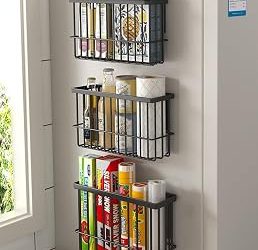
- Footprint relative to the bed: In smaller bedrooms, a wall-mounted organizer can replace a traditional nightstand entirely, freeing floor space and eliminating the surface where clutter naturally accumulates. Consider ceiling height and whether your CPAP machine will sit below any wall-mounted light fixtures that cast direct light onto its screen.
What's inside
If you rely on a CPAP machine every night, you already know the strange choreography of hoses, masks, and humidifier chambers fighting for space on a nightstand that was never designed to hold any of it. The wrong bedside setup means tangled tubing catching on a lamp base, harsh blue light from a phone charger bleaching your melatonin at 2 a.m., and a machine that looks like an intruder rather than part of a restful room.
As someone who designs bedroom lighting and ambience for a living, I care deeply about how every surface and object on a nightstand either supports or sabotages your sleep environment. I evaluated these six CPAP-friendly nightstands not just on storage and cable management, but on how they interact with the glow, shadow, and rhythm of a properly tuned bedroom.
As an Amazon Associate we earn from qualifying purchases.


How to Choose a Nightstand For CPAP Machine (2026)
- Power access and light spill: Built-in outlets and USB ports let you charge devices without trailing cords, but watch for exposed LED indicators. A blinking blue charging light at pillow level can ruin a dark room’s calm — look for recessed ports or models where indicator lights face downward.
- Hose routing: Dedicated hose holes or side-access panels keep your CPAP tubing from draping across the nightstand surface. This prevents kinks that disrupt airflow and keeps the silhouette of your bedside clean and uncluttered.
- Surface material and reflectivity: A glossy black tabletop mirrors overhead sconces and reads cold under cool-toned bulbs. Matte walnut or painted white finishes diffuse ambient light more gently, blending the machine into the room’s palette rather than turning it into a focal point.
- Drawer depth and concealed storage: Masks, spare filters, and distilled water bottles are functional necessities you don’t want on display. Deep drawers or lockable compartments let you stow accessories while keeping the visual field calm — an underrated factor in falling asleep quickly.
- Footprint relative to the bed: In smaller bedrooms, a wall-mounted organizer can replace a traditional nightstand entirely, freeing floor space and eliminating the surface where clutter naturally accumulates. Consider ceiling height and whether your CPAP machine will sit below any wall-mounted light fixtures that cast direct light onto its screen.
The Best Nightstand For CPAP Machine (2026)s Reviewed
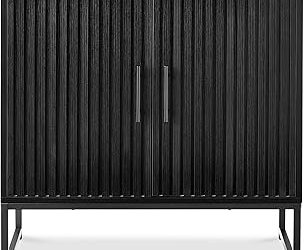
GDLF CPAP Nightstand with Storage
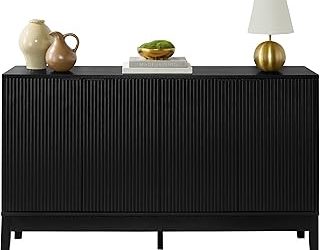
This purpose-built CPAP table is the most considered option in the group. The fluted door panels create subtle texture that reads beautifully under warm bedside lighting, while the side-access panels and built-in outlet keep every hose and cord invisible. It’s the rare piece that makes your medical equipment feel like part of the furniture.
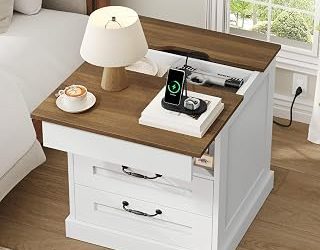
Northwood Calliger CPAP Nightstand
The white finish on this wooden nightstand bounces soft light around the bedside area, making it a natural fit for bedrooms with a light, airy palette. Its dedicated hose holder and organized drawers hide CPAP accessories without closing off airflow, and the clean lines never compete with ambient fixtures or wall art.
Walnut Nightstand with Lockable Drawer
The mid-century silhouette and warm walnut grain absorb overhead light beautifully, grounding a bedroom with rich, organic tone. The combination-lock hidden drawer is clever for households where children explore nightstands, and the integrated charging station keeps cords tucked away so the wood surface stays uncluttered and photogenic.
Fixwal Night Stand with Charging Station
Two fabric drawers and an open top shelf give this small nightstand surprising versatility. The built-in LED feature adds a configurable glow layer — useful as a wayfinding light at night if you dial the brightness low and choose a warm color temperature, though I’d caution against default settings that lean cool and blue.
22″ Modern Nightstand with Charging
Three large drawers in a sleek black finish make this a workhorse for anyone who stores multiple devices bedside. The black wood absorbs light rather than reflecting it, which works well in moody, low-key bedrooms but can feel heavy in small, brightly painted spaces. The dual USB and Type-C ports handle overnight charging without cable chaos.
Frequently Asked Questions
Can I put a CPAP machine inside a nightstand drawer?
Only if the drawer has ventilation holes or side-access panels. CPAP machines need airflow to function properly and to prevent overheating. An enclosed drawer without ventilation will trap heat and may void your manufacturer’s warranty.
Do built-in outlets affect the room’s ambience?
Most built-in outlets include small indicator LEDs. If your bedroom is designed for total darkness at night, look for models where these lights are recessed, downward-facing, or switchable, so they don’t introduce unwanted glow at pillow height.
What nightstand height works best with a CPAP machine?
The top surface should sit roughly level with or slightly below the top of your mattress. This keeps the machine at a natural breathing height and prevents the hose from traveling uphill, which can increase resistance and reduce comfort.
Are wall-mounted organizers a good alternative to a full nightstand?
Yes, especially in tight bedrooms where a traditional table crowds the bed. A wall-mounted shelf keeps your CPAP machine off the floor and at the correct height, though you’ll need to ensure nearby wall studs support the weight and that the mounting point doesn’t sit directly under a wall sconce.
Final Thoughts
For a bedroom where ambience and sleep quality both matter, the GDLF CPAP Nightstand leads the pack with its thoughtful hose routing and furniture-grade finish that respects your lighting design. The Northwood Calliger is an excellent lighter-toned alternative, and the Walnut Nightstand with Lockable Drawer brings warm material character with the added security of a hidden compartment. Whichever you choose, prioritizing concealed storage and low-glow charging keeps your bedside environment dark, calm, and exactly what your sleep deserves.