Key takeaways
- Weight and Thickness: Look for fabrics at or above 1.0 mm thickness or labeled “heavy.” Dining chairs endure constant compression; thin material pills and goes limp within months.
- Fiber Composition: Polyester blends resist staining and hold color under UV exposure, while linen-look textiles add tactile warmth but may wrinkle more readily. A synthetic-to-natural ratio above 60:40 is a practical sweet spot for kitchen-dining use.
- Light Response: Matte, tightly woven surfaces diffuse overhead and pendant light evenly, hiding minor wear. High-sheen fabrics amplify every crease and spill under the same fixtures, so assess swatches under your actual dining light, not just store fluorescents.
- Width and Yardage Efficiency: Most dining chair seats need roughly 18 × 22 inches of usable fabric. A 57-inch-wide bolt minimizes waste and lets you cut two to three seat panels per linear yard, saving cost without compromising grain direction.
- Pattern vs. Solid: Jacquard or damask patterns camouflage crumbs and light staining between cleanings—a genuine advantage in households with kids. Solids look sleeker but demand more frequent maintenance to keep their composure.
What's inside
Anyone who has ever pulled a dining chair under warm pendant light only to catch the fraying edge or a dingy stain knows the quiet frustration: the table glows, the room hums, but the chairs betray the whole composition. Choosing upholstery fabric for dining chairs is trickier than it looks because the material must survive daily friction, spilled wine, and low-angle sidelight that forgives nothing.
This guide approaches the problem through a designer’s lens, weighing not just durability and cleanability but how each textile behaves under the kind of lighting you actually live with. Below you will find curated picks, a selection framework, and straight answers to the questions that matter most.
As an Amazon Associate we earn from qualifying purchases.



How to Choose an Upholstery Fabric for Dining Chairs (2026)
- Weight and Thickness: Look for fabrics at or above 1.0 mm thickness or labeled “heavy.” Dining chairs endure constant compression; thin material pills and goes limp within months.
- Fiber Composition: Polyester blends resist staining and hold color under UV exposure, while linen-look textiles add tactile warmth but may wrinkle more readily. A synthetic-to-natural ratio above 60:40 is a practical sweet spot for kitchen-dining use.
- Light Response: Matte, tightly woven surfaces diffuse overhead and pendant light evenly, hiding minor wear. High-sheen fabrics amplify every crease and spill under the same fixtures, so assess swatches under your actual dining light, not just store fluorescents.
- Width and Yardage Efficiency: Most dining chair seats need roughly 18 × 22 inches of usable fabric. A 57-inch-wide bolt minimizes waste and lets you cut two to three seat panels per linear yard, saving cost without compromising grain direction.
- Pattern vs. Solid: Jacquard or damask patterns camouflage crumbs and light staining between cleanings—a genuine advantage in households with kids. Solids look sleeker but demand more frequent maintenance to keep their composure.
The Best Upholstery Fabric for Dining Chairs (2026) Reviewed
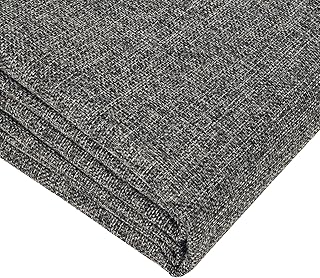
TinaKim Thick Faux Linen Fabric
This generous two-yard cut at 57 × 72 inches covers a full set of four dining seats with material left over for future repairs. The faux-linen weave catches side light with a natural slub texture that reads as linen without the fragility, making it an easy recommendation for a first reupholstery project on a budget.
Faux Linen Needlework Fabric 3.3 Yards
At 3.3 yards the longer bolt from this needlework line suits larger projects—think an entire dining set plus a bench cushion. The grey-blue tone shifts beautifully from cool daylight to warm evening light, adding quiet depth to a neutral dining room without competing with your pendants or wall color.
LaSilk Premium Upholstery Fabric
LaSilk’s thickened faux linen in navy blue delivers the richest color saturation of the group. Sold by the yard at full 57-inch width, it is ideal for accent chairs where you want a single statement seat to anchor the room’s palette. The dense weave also resists snagging from pet claws, a detail worth noting if your dining area doubles as a family hub.
11OZ Polyester Blend Upholstery Fabric
The polyester-blend construction gives this khaki cloth exceptional stain resistance and colorfastness—practical priorities for a dining environment where spills are inevitable. Its neutral warm tone acts as a quiet stage for richer décor elements, bouncing candlelight softly rather than absorbing it, which can make a small dining nook feel more generous.
Damask Jacquard Upholstery Fabric
The jacquard weave in a sand-tone damask is the most decorative option here, adding pattern and visual weight that elevates plain wooden frames to something resembling a curated dining suite. Because the pattern is woven rather than printed, it holds up under repeated sit-wear, and the tonal motif hides surface soil between cleanings better than any solid in this roundup.
Frequently Asked Questions
How much fabric do I need for four dining chairs?
Plan for roughly 2 to 2.5 yards of 57-inch-wide fabric to cover four standard seat cushions with grain alignment. Always order a half-yard buffer for pattern matching or cutting errors.
Can I use linen on dining chairs?
Yes, but choose heavy-weight linen (1.0 mm or thicker) or a faux-linen blend. Pure lightweight linen wrinkles quickly and absorbs spills. A polyester-linen blend gives you the texture without the maintenance headaches.
What fabric is easiest to clean around a dining table?
Tightly woven polyester and polyester-blend fabrics clean fastest with a damp cloth. Avoid loose weaves and open-mesh textures where food particles lodge in the fibers.
Do I need to pre-wash upholstery fabric?
Most upholstery-weight fabrics should not be machine-washed before installation. Instead, steam or spot-clean the finished seat. If a fabric label recommends pre-washing, tumble dry on low and press flat to avoid shrinkage after stapling.
Final Thoughts
For most dining rooms, the LaSilk Premium Fabric hits the ideal balance of color depth, durability, and cleanability under everyday lighting. If budget drives the decision, the TinaKim Thick Faux Linen offers surprisingly sophisticated texture at a fraction of the cost. For pattern lovers, the Sand Damask Jacquard brings a level of visual interest that turns even basic chair frames into deliberate design choices—and its tonal weave shrugs off the kind of minor messes dining life guarantees.