Key takeaways
- Daily Extraction Capacity: Match the pints-per-day or litres-per-day rating to your tent volume and plant count. A packed canopy in a 4×4 tent during peak transpiration can push four to six litres of moisture into the air daily, so undersizing means the unit runs constantly and wastes energy.
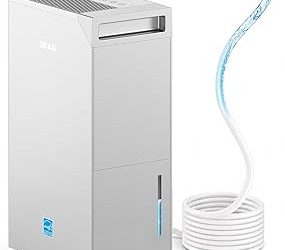
- Drainage Setup: Gravity-fed drain hoses eliminate the need to empty a collection tank mid-dark-cycle. Units with continuous-drain ports or external pump kits are almost always the better long-term choice for tent growers who cannot babysit the space.
- Noise and Vibration: A dehumidifier sitting on the same floor as your tent transmits motor vibration directly into the structure. Look for units with isolated mounts or ultra-quiet rotary motors—especially important if the tent lives in a living space or bedroom.
- Smart Controls and Sensor Placement: Built-in humidity probes are useful, but external sensor probes that sit at canopy level give you far more accurate readings than a sensor buried inside the machine body. App-based monitoring lets you track rh trends across photoperiods without opening the tent.
- Thermal Footprint: Every dehumidifier emits waste heat. In a sealed or semi-sealed tent during summer, that extra warmth can push leaf temperatures above the optimal twenty-five to twenty-eight degree Celsius range and blunt the effectiveness of your lighting plan. Factor in BTU output alongside extraction power.
What's inside
Anyone who has watched condensation creep across a grow tent wall mid-flower knows the quiet damage humidity does—not just to bud rot risk, but to the entire light-and-ambience ecosystem you have painstakingly built inside that fabric enclosure. When relative humidity spikes above seventy percent during late bloom, your carefully tuned light intensity becomes a liability: leaf surfaces stay wet, transpiration stalls, and the canopy stops “breathing” in a way that directly undermines the photosynthetic output your LEDs or HPS are delivering.
This guide breaks down the best dehumidifiers purpose-built for grow tents in 2026, evaluating each unit not just on raw moisture extraction but on how its form factor, noise profile, and smart controls integrate into a working grow environment. Whether you are managing a two-by-two closet setup or a full five-by-five flower room, the picks below cover a range of budgets, tent sizes, and humidity-management philosophies.
As an Amazon Associate we earn from qualifying purchases.


How to Choose a Dehumidifier For Grow Tents (2026)
- Daily Extraction Capacity: Match the pints-per-day or litres-per-day rating to your tent volume and plant count. A packed canopy in a 4×4 tent during peak transpiration can push four to six litres of moisture into the air daily, so undersizing means the unit runs constantly and wastes energy.
- Drainage Setup: Gravity-fed drain hoses eliminate the need to empty a collection tank mid-dark-cycle. Units with continuous-drain ports or external pump kits are almost always the better long-term choice for tent growers who cannot babysit the space.
- Noise and Vibration: A dehumidifier sitting on the same floor as your tent transmits motor vibration directly into the structure. Look for units with isolated mounts or ultra-quiet rotary motors—especially important if the tent lives in a living space or bedroom.
- Smart Controls and Sensor Placement: Built-in humidity probes are useful, but external sensor probes that sit at canopy level give you far more accurate readings than a sensor buried inside the machine body. App-based monitoring lets you track rh trends across photoperiods without opening the tent.
- Thermal Footprint: Every dehumidifier emits waste heat. In a sealed or semi-sealed tent during summer, that extra warmth can push leaf temperatures above the optimal twenty-five to twenty-eight degree Celsius range and blunt the effectiveness of your lighting plan. Factor in BTU output alongside extraction power.
The Best Dehumidifiers For Grow Tents (2026) Reviewed
AC Infinity HYDRONE 5
The HYDRONE 5 is the dehumidifier equivalent of a high-CRI grow light—engineered with obsessive attention to operational refinement rather than brute-force specs. Its PWM rotary motor runs at ten distinct speed settings, producing noticeably less acoustic signature than competitors at similar extraction rates. Dual duct ports let you route airflow intentionally, which matters when you are balancing vapour pressure deficit alongside a lighting schedule. For tents housing two to three plants, this unit holds rh steady without the thermal overshoot that plagues cheaper compressors.
VIVOSUN AeroDrain D12
Moving up to twelve litres per day, the AeroDrain D12 targets growers who need serious moisture extraction without leaving the tent ecosystem. The included sensor probe sits at canopy level via a flexible lead, feeding real-time temperature and humidity data to VIVOSUN’s app. Its grow-system compatibility means it can communicate with VIVOSUN fans and controllers, creating a unified environmental management stack. Auto-restart after power interruption is a small detail that prevents catastrophic rh swings during storms or grid instability.
MARS HYDRO 38-Pint Dehumidifier
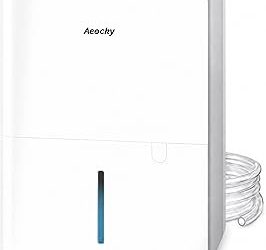
At roughly eighteen litres per day, this is the highest-capacity unit on the list and the one to reach for when a single tent occupies a large spare room or garage. The digital display gives you an at-a-glance read on conditions without needing a phone, and the included washable filter means you are not burning through replacements every grow cycle. A 2.1-litre tank handles short-term collection, but the drain-hose port is where this machine truly earns its place—hook it up and forget it for entire flower runs.
Smart Grow Tent Dehumidifier with Heating/Cooling Interface
This unit’s distinguishing feature is an external interface port that accepts heating or cooling attachments, giving you active temperature-humidity coupling rather than passive extraction alone. In sealed-tent setups where you run CO₂ supplementation and cannot vent freely, that bidirectional thermal control is genuinely useful. The compact footprint slides easily into corners or hangs from tent poles, keeping floor space available for pots and reservoirs.
Small Grow Tent Dehumidifier for Confined Spaces
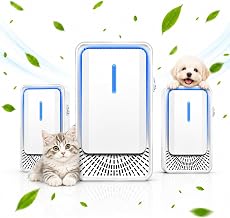
Designed for electric boxes, safes, closets, and small grow cabinets, this AC/DC-compatible unit runs on anywhere from 85 to 265 volts—making it equally at home in North American and international setups. Auto smart dehumidification means it cycles itself based on ambient readings rather than running flat-out. For micro-grows in enclosed furniture, it eliminates the slow moisture creep that leads to mould on cabinet walls without adding meaningful heat to an already tight volume.
Frequently Asked Questions
What size dehumidifier do I need for a grow tent?
General sizing depends on tent volume, plant count, and stage of growth. For a four-by-four tent in heavy flower, plan for at least twelve to eighteen litres per day of extraction capacity. Smaller two-by-two setups with one or two plants can often get by with units rated at three to five litres daily, especially during vegetative stages when transpiration is lower.
Should I run my dehumidifier during the dark period?
Yes. Humidity does not stop being a concern when the lights go off—in fact, temperatures drop during dark periods, which raises relative humidity even if absolute moisture content stays constant. A dehumidifier with an auto-humidistat will cycle on as needed, preventing the overnight rh spikes that trigger bud rot and powdery mildew.
Can a grow tent dehumidifier also heat the space?
Most dehumidifiers release waste heat as a byproduct of compression, which can marginally warm a small tent. However, only units with a dedicated heating interface are designed to actively manage temperature. If heat management is a primary concern, look for models that pair dehumidification with an external heating or cooling attachment for dual-purpose control.
How often should I clean or replace the filter?
Washable filters on units like the MARS HYDRO should be rinsed every two to four weeks during active growing, depending on dust and debris levels in your space. Disposable filters on smaller units typically last one to two full grow cycles before airflow restriction begins to reduce extraction efficiency noticeably.
Final Thoughts
For most tent growers seeking a balanced combination of smart integration, quiet operation, and reliable extraction, the AC Infinity HYDRONE 5 stands out as the refined choice for small setups, while the VIVOSUN AeroDrain D12 delivers the best overall value for mid-size tents that need serious daily moisture removal without breaking the budget. Growers running larger spaces or sealed environments should consider the MARS HYDRO 38-Pint for its raw capacity and straightforward drain-hose setup.