Key takeaways
- Fabric Weight and Texture: Heavier jacquard weaves catch light at different angles, adding depth to a room rather than swallowing it. Thin jersey, by contrast, can look slick and artificial under directional lighting. Aim for medium-to-heavy knits if your living space features any accent or track lighting.
- Spandex Blend Ratio: A higher spandex percentage means tighter conformity to the futon frame, reducing the bunched-fabric look that cheap slipcovers create. Anything above 10–12% spandex with a polyester base holds its shape through seasonal temperature swings.
- Color Under Multiple Light Sources: A swatch that looks perfect under store fluorescents may shift dramatically under your home’s 2700K bulbs. Grays and taupes are the safest bets for rooms with mixed lighting temperatures; black can read either sophisticated or flat depending on the weave.
- Waterproofing vs. Breathability: Dual waterproof layers protect against spills and pet accidents but can trap heat, making the futon uncomfortable for extended seating. Choose waterproof only if you genuinely need the barrier — otherwise a standard stretch cover breathes better and drapes more naturally.
- Elastic Bottom Construction: A full-perimeter elastic hem keeps the cover anchored without constant tugging. Covers with elastic only at the corners tend to ride up within days, especially on smooth platform frames. Check product images for continuous elastic channeling before committing.
What's inside
Most futon covers sag at the corners, pill after two washes, or clash so badly with a room’s palette that the couch looks like it’s wearing a costume. As someone who designs residential lighting and ambience for a living, I’ve watched clients ruin an otherwise cohesive living space with a single ill-fitting slipcover — the fabric catching glare from recessed downlights or reading as a flat, lifeless void under warm pendants.
This guide zeroes in on six armless futon covers that actually perform under real-world conditions: varied light, active households, and repeated laundering. You’ll find a quick-buy section below, a no-nonsense selection checklist, and short reviews that factor in how each cover behaves visually and tactilely — not just whether it stays put.
As an Amazon Associate we earn from qualifying purchases.


How to Choose a Futon Cover (2026)
- Fabric Weight and Texture: Heavier jacquard weaves catch light at different angles, adding depth to a room rather than swallowing it. Thin jersey, by contrast, can look slick and artificial under directional lighting. Aim for medium-to-heavy knits if your living space features any accent or track lighting.
- Spandex Blend Ratio: A higher spandex percentage means tighter conformity to the futon frame, reducing the bunched-fabric look that cheap slipcovers create. Anything above 10–12% spandex with a polyester base holds its shape through seasonal temperature swings.
- Color Under Multiple Light Sources: A swatch that looks perfect under store fluorescents may shift dramatically under your home’s 2700K bulbs. Grays and taupes are the safest bets for rooms with mixed lighting temperatures; black can read either sophisticated or flat depending on the weave.
- Waterproofing vs. Breathability: Dual waterproof layers protect against spills and pet accidents but can trap heat, making the futon uncomfortable for extended seating. Choose waterproof only if you genuinely need the barrier — otherwise a standard stretch cover breathes better and drapes more naturally.
- Elastic Bottom Construction: A full-perimeter elastic hem keeps the cover anchored without constant tugging. Covers with elastic only at the corners tend to ride up within days, especially on smooth platform frames. Check product images for continuous elastic channeling before committing.
The Best Futon Cover (2026)s Reviewed
Easy-Going Stretch Slipcover (Dark Gray)
The workhorse of the bunch. Its jacquard texture picks up ambient light beautifully, preventing that flat, matte look that plagues budget slipcovers. The elastic bottom grips the frame without bunching, and the dark gray reads neutral under both warm and cool lighting — a rare quality at this price tier.
H.VERSAILTEX Jacquard Futon Cover (Gray)
This one wins on tactile presence. The small-check jacquard has a refined, almost tailored look that elevates a basic futon into something that genuinely belongs in a designed space. It reflects light evenly without hot-spotting, which matters if your seating area sits near a window or pendant fixture.
MAXIJIN Jacquard Futon Cover (Light Gray)
Light gray is a bold choice in homes with warm-toned walls, but the MAXIJIN thread it well — the jacquard texture adds enough visual dimension to prevent the cover from washing out. It sits comfortably between the two darker options and works especially well in rooms with cooler, daylight-balanced lighting.
molasofa Leather-Like Futon Cover (Black)
The leather-like finish brings a different energy: it catches highlights the way a smooth vinyl or genuine leather would, which can be striking under focused reading lamps but may read a touch shiny in evenly lit rooms. For spaces with moody, layered lighting, this cover punches above its price point. The larger sizing also helps eliminate the tight, overstretched appearance common with armless futon covers.
Easy-Going Waterproof Futon Cover (Dark Gray)
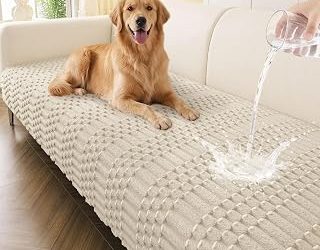
When you genuinely need spill protection — kids, pets, or both — this dual waterproof layer delivers without looking like a tarpaulin. The dark gray color hides minor staining between washes, and the stretch fabric still manages a reasonable drape despite the waterproof backing. It runs slightly stiffer initially but softens after the first cycle.
Frequently Asked Questions
Will these covers fit both full and queen futons?
Most of the covers reviewed accommodate standard full and queen armless futon frames through stretch construction. Measure your futon’s width, height, and depth before ordering, and compare against the manufacturer’s size chart — “one size” claims vary more than you’d expect.
How do futon covers hold up under overhead recessed lighting?
Textured jacquard weaves handle recessed lighting far better than smooth or printed fabrics. The raised pattern breaks up direct light, reducing glare and creating subtle shadow lines that add visual interest. Flat jersey or thin polyester blends tend to look cheap and reflective under the same conditions.
Can I machine-wash these covers without shrinking?
All six covers listed here are rated machine-washable. Use a cold cycle and tumble dry on low or air-dry to preserve the elastic tension. Hot water and high heat are the primary culprits behind shrinkage and loss of shape over time.
Do leather-like futon covers breathe well enough for daily use?
The molasofa leather-like option is less breathable than woven jacquard alternatives. In warm climates or rooms without strong air circulation, it may feel noticeably warmer during extended sitting. For year-round daily use, a standard stretch jacquard is the more comfortable choice.
Final Thoughts
For most households, the Easy-Going Stretch Slipcover offers the best balance of texture, fit, and lighting versatility. If you want an upgrade in visual refinement, the H.VERSAILTEX jacquard justifies the step up with its tailored surface pattern. And for homes where spills are a fact of life, the Easy-Going Waterproof version is the only slipcover in this roundup that truly protects without sacrificing appearance. Match the cover to your room’s lighting, not just your color preferences, and the result will look intentional rather than accidental.