Key takeaways
- Measure to the rail, not the frame: Safety guidance calls for at least five inches of guardrail standing proud of the finished sleep surface. Measure from the slat deck to the top of the rail, subtract five, and treat that number as your ceiling. On most full-size bunks it lands between five and eight inches.
- Check the headroom above the top bunk: If a flush-mount or pendant hangs within 30 inches of the upper mattress, drop a profile size. A slimmer mattress moves the sleeper’s eyeline out of direct glare and makes sitting up possible without a duck-and-flinch.
- Plan for the shadowed lower berth: The bottom bunk gets minimal air exchange and almost no ambient light. Gel-infused or green tea foam and a breathable knit cover matter more down there than they do in an open bed.
- Prioritize low-odor certification: A small, poorly ventilated alcove concentrates any new-foam smell. CertiPUR-US certification and a fiberglass-free build are worth insisting on, and so is a two-day airing before you make the bed.
- Match firmness to the frame’s flex: Bunk slats have less give than a box foundation, so a medium-firm foam usually reads a step firmer once installed. Side sleepers should size up in comfort layers; back sleepers can go firmer and thinner.
What's inside
Anyone who has staged a shared kids’ room knows the bunk bed is really two rooms stacked on top of each other, and each one has its own light problem. The upper bunk sits in the brightest band of the room, close to the ceiling fixture, where a too-thick mattress pushes a sleeper’s face within arm’s reach of the glare and lifts them above the guardrail line. The lower bunk lives in permanent shade, a cave that swallows lamplight and traps warm air. Most buyers shop for a full-size mattress as though it were going on a standard frame, then discover the top bunk feels like sleeping on a shelf under a spotlight and the bottom bunk sleeps hot and dim.
This guide approaches the problem the way I approach a room’s lighting plan: by measuring clearances first, then choosing materials that behave well in the specific pocket of air and light they’ll occupy. Below are six full-size mattresses sized and profiled for bunk frames, with notes on thickness, heat behavior in an enclosed lower berth, and how each one plays with the rails and fixtures already in the room.
As an Amazon Associate we earn from qualifying purchases.


How to Choose a Full-Size Mattress For Bunk Bed (2026)
- Measure to the rail, not the frame: Safety guidance calls for at least five inches of guardrail standing proud of the finished sleep surface. Measure from the slat deck to the top of the rail, subtract five, and treat that number as your ceiling. On most full-size bunks it lands between five and eight inches.
- Check the headroom above the top bunk: If a flush-mount or pendant hangs within 30 inches of the upper mattress, drop a profile size. A slimmer mattress moves the sleeper’s eyeline out of direct glare and makes sitting up possible without a duck-and-flinch.
- Plan for the shadowed lower berth: The bottom bunk gets minimal air exchange and almost no ambient light. Gel-infused or green tea foam and a breathable knit cover matter more down there than they do in an open bed.
- Prioritize low-odor certification: A small, poorly ventilated alcove concentrates any new-foam smell. CertiPUR-US certification and a fiberglass-free build are worth insisting on, and so is a two-day airing before you make the bed.
- Match firmness to the frame’s flex: Bunk slats have less give than a box foundation, so a medium-firm foam usually reads a step firmer once installed. Side sleepers should size up in comfort layers; back sleepers can go firmer and thinner.
The Best Full-Size Mattress For Bunk Bed (2026)s Reviewed
LETMOON Luxury Full 8 Inch Hybrid
The 7-zone coil unit gives this one genuine shoulder relief, which makes it the pick for a teen or adult on a low-profile platform-style bunk where the eight-inch height still clears the rail. Reserve it for the lower berth or a frame with tall guardrails, and confirm your ceiling clearance before you commit it upstairs.
MLILY 8 Inch Green Tea Memory Foam
Built explicitly for daybeds and bunks, the green tea gel formulation keeps the surface from banking heat the way plain memory foam does in a closed-in bottom bunk. Medium firm with a true 75″ x 54″ cut, so it seats cleanly in a full frame without shifting against the rails.
Dopinmin 5 Inch Gel Memory Foam
At five inches, this is the safest bet for an upper bunk with standard rails and the most generous on headroom, keeping a sleeper well clear of a ceiling fixture. It’s firm and efficient rather than plush, which suits lighter kids and occasional guests better than a full-time adult sleeper.
Linenspa 6 Inch Memory Foam
The firm feel resists the hammocking that thin mattresses develop over rigid slats, and six inches threads the needle between rail clearance and real cushioning. A dependable, low-drama choice for a bunk that gets nightly use.
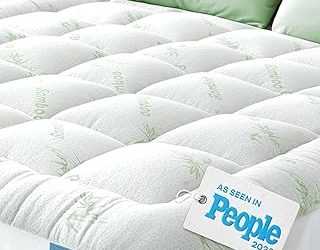
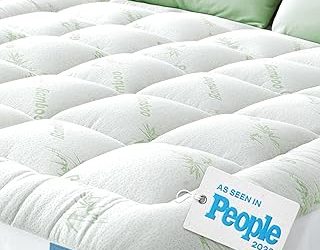
EGOHOME 6 Inch Cooling Green Tea Gel
Fiberglass-free construction and a light, reflective white cover make this a good tenant of a dark lower berth, where a pale surface bounces what little lamplight reaches it. Medium firm support with cooling gel gives it an edge over basic six-inch foam in warm rooms.
Frequently Asked Questions
How thick can a bunk bed mattress be?
Follow the five-inch rail rule. Six inches is the common safe maximum for a top bunk; eight-inch models generally belong on the bottom or on frames with unusually tall rails.
Do full-size mattresses fit bunk beds?
Full-over-full and twin-over-full bunks take a standard 75″ x 54″ mattress. Verify the interior opening, since some frames run tight and a compressed foam mattress expands to fill it.
Will the lower bunk sleep hot?
It can, because airflow is restricted and body heat has nowhere to rise. Gel or green tea infusions, a breathable cover, and a slatted rather than solid deck all help.
How long should a new mattress air out?
Give it 48 hours in a ventilated room before installing it in an alcove. Small enclosed spaces hold odor far longer than open bedrooms.
Final Thoughts
For a top bunk with a ceiling fixture close overhead, the Dopinmin 5 Inch keeps clearance and rail coverage generous. For a shaded lower berth that needs to breathe, the MLILY 8 Inch Green Tea handles heat best, with the EGOHOME 6 Inch a strong lighter-profile alternative in the same vein.