Key takeaways
- Interior lighting color temperature: Look for warm-white or neutral interior LEDs (around 3000K–4000K). Cool-blue LEDs may look techy on a spec sheet but tend to clash with the warm ambient lighting most living spaces rely on, creating an unintentional laboratory vibe.
- Door glass type and tint: Low-emissivity (Low-E) tempered glass reduces condensation and UV exposure to beverages while allowing your interior lighting design to show through cleanly. Heavily tinted glass, by contrast, can mute the display effect you are paying a premium for.
- Cabinet finish and reflectivity: A matte-black exterior absorbs surrounding light and recedes visually, ideal for rooms with layered ambient schemes. Glossy or stainless finishes will catch and scatter every nearby light source, demanding more careful placement to avoid glare hotspots.
- Capacity versus footprint ratio: Measure your alcove or counter space before committing. A 130-can unit with a slim-depth body can fit where a deeper cabinet cannot, and the narrower profile often reads as more proportional under task lighting above a desk or bar counter.
- Noise output and compressor type: Thermoelectric units run whisper-quiet but struggle above 75 °F ambient temperature. Compressor models handle heat better and cool faster, yet introduce a low hum that can interfere with a carefully designed quiet zone—check decibel ratings if the fridge lives in a bedroom or studio.
What's inside
Most people treat a mini fridge as a pure utility box—open, grab, close—without considering how it quietly reshapes a room’s entire atmosphere. As someone who designs lighting and ambience for residential and hospitality spaces, I watch the same mistake repeat: buyers overlook how a glass-front fridge’s internal illumination, door tint, and cabinet finish interact with surrounding light, turning a sleek corner into a cluttered visual anchor. The wrong unit can flood a moody den with harsh blue LED glare; the right one doubles as an ambient accent piece that makes your bar cart or office nook feel intentionally designed.
This 2026 guide evaluates the most popular drink-focused mini fridges through that dual lens—cooling performance and spatial atmosphere. Each pick has been considered not only for capacity, temperature precision, and energy draw, but for how its glass door transmits light, the quality of its interior illumination, and whether its physical footprint complements a thoughtfully lit room. Whether you are furnishing a home bar, a bedroom reading nook, or a studio office, the options below balance function with the kind of design awareness that keeps a space feeling curated rather than cluttered.
As an Amazon Associate we earn from qualifying purchases.


How to Choose a Mini Fridge For Drinks (2026)
- Interior lighting color temperature: Look for warm-white or neutral interior LEDs (around 3000K–4000K). Cool-blue LEDs may look techy on a spec sheet but tend to clash with the warm ambient lighting most living spaces rely on, creating an unintentional laboratory vibe.
- Door glass type and tint: Low-emissivity (Low-E) tempered glass reduces condensation and UV exposure to beverages while allowing your interior lighting design to show through cleanly. Heavily tinted glass, by contrast, can mute the display effect you are paying a premium for.
- Cabinet finish and reflectivity: A matte-black exterior absorbs surrounding light and recedes visually, ideal for rooms with layered ambient schemes. Glossy or stainless finishes will catch and scatter every nearby light source, demanding more careful placement to avoid glare hotspots.
- Capacity versus footprint ratio: Measure your alcove or counter space before committing. A 130-can unit with a slim-depth body can fit where a deeper cabinet cannot, and the narrower profile often reads as more proportional under task lighting above a desk or bar counter.
- Noise output and compressor type: Thermoelectric units run whisper-quiet but struggle above 75 °F ambient temperature. Compressor models handle heat better and cool faster, yet introduce a low hum that can interfere with a carefully designed quiet zone—check decibel ratings if the fridge lives in a bedroom or studio.
The Best Mini Fridge For Drinks (2026) Reviewed
hOmeLabs Beverage Refrigerator (120-Can)
The hOmeLabs unit is a reliable entry point whose glass door transmits interior light evenly without excessive hot-spotting, making it a surprisingly solid accent piece beside a sofa or in a home office. Its adjustable shelves accommodate varied bottle heights, and the evenly spaced LED strip keeps contents visible without overwhelming the room’s existing lighting layers.
Electactic Mini Fridge (130-Can)
With 3.2 cubic feet of interior space and a digital temperature panel that glows softly rather than glaring, the Electactic strikes a balance between capacity and restraint. The matte-black frame absorbs peripheral light, allowing the illuminated interior to become the visual focal point—a deliberate design choice that works beautifully in entertainment areas.
EUHOMY Mini Fridge (130-Can)
EUHOMY’s 130-can model offers digital temperature control and removable shelves in a form factor whose slim depth sits flush with most standard countertops. The interior LED runs slightly cooler in color temperature than the Electactic, which may appeal to spaces already leaning contemporary or industrial in palette. It reads as intentionally modern rather than utilitarian.
Feelfunn 3.2 Cu.Ft Beverage Refrigerator
Four adjustable shelves give the Feelfunn 3.2 flexibility most competitors at this price lack, and the glass door’s anti-fog coating keeps the interior display crystal-clear even in humid rooms. From a staging perspective, the clean sightlines through the glass make this model particularly effective when you want the beverage collection itself to serve as visual texture.
Feelfunn 1.7 Cu.Ft Beverage Refrigerator
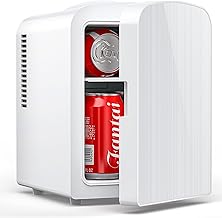
The compact Feelfunn 1.7 is the pick for tight spaces where every square inch matters—a guest-room nightstand nook, a narrow hallway bar, or a compact dorm desk. Its smaller footprint means less reflective glass surface area, which can actually be an advantage in rooms with multiple light sources, keeping the overall ambience controlled and proportional.
Frequently Asked Questions
Does a glass-door mini fridge make a room feel brighter?
Yes, but the effect depends on the interior LED’s color temperature and intensity. A unit with warm-toned interior lighting can add a subtle, inviting glow that complements a room’s ambient scheme, while a harsh cool-blue LED can feel disruptive. Choose models with adjustable or dimmable interior lights if ambience is a priority.
How loud are compressor-based mini fridges?
Most compressor models in this roundup operate between 35 and 45 decibels, roughly equivalent to a quiet library. Thermoelectric alternatives run near-silent but lose cooling efficiency in warmer environments. If the fridge will sit in a bedroom or recording space, prioritize models with documented low-noise compressors.
Can I customize the shelving to fit wine bottles?
Most of these models include removable or adjustable shelves specifically for that purpose. The hOmeLabs and Feelfunn 3.2 models are particularly flexible, allowing you to remove shelves entirely to accommodate taller bottles or reconfigure for mixed-can-and-bottle displays.
Do these mini fridges use a lot of electricity?
Compressor-driven units in this class typically draw 80 to 150 watts during active cooling and far less once the target temperature is reached. Over a full year, expect roughly $30 to $50 in electricity cost depending on usage and ambient room temperature. Thermoelectric models may consume more energy in hot climates since they work harder to maintain temperature differentials.
Final Thoughts
For most buyers seeking both performance and visual cohesion, the Electactic 130-Can stands out as the most thoughtfully designed unit—its matte exterior and soft-lit interior panel integrate cleanly into layered lighting environments. The Feelfunn 3.2 Cu.Ft earns a close second for its anti-fog glass and shelf flexibility, while the compact Feelfunn 1.7 Cu.Ft is the smartest pick where space is genuinely limited. Any of these three will cool your drinks reliably and enhance the room it lives in rather than merely occupying space within it.