Key takeaways
- Noise Transparency: A protector should disappear the moment you lie down. Crinkly barriers or stiff quilting amplify every micro-movement — the opposite of the low-profile sound environment a bedroom demands. Seek fabrics described as “noiseless” backed by actual stretch-knit or bamboo-derived constructions rather than basic polyester laminates.
- Thermal Read: Memory foam retains heat; the wrong cover amplifies it. Materials like viscose from bamboo, organic cotton, or open-cell gel foam layers actively pull warmth away from the body. Think of this the way you’d think about a room’s thermal layering — each surface should contribute to equilibrium, not fight it.
- Depth and Grip: A protector that bunches or slides at 3 a.m. ruins the clean geometry of a made bed and disrupts sleep. Measure your mattress depth first, then match the pocket specification. Deep-pocket designs with elasticated edges — like the BEDLORE or PlushDeluxe — stay anchored across mattresses up to 18 inches thick.
- Moisture Barrier vs. Breathability: Waterproof membranes protect against spills and perspiration but can trap humidity. Dual-layer constructions that pair a waterproof base with a breathable quilted top, such as the BDEUS Dual Layer, offer the best compromise between protection and airflow without that sealed-in feeling.
- Material Integrity Over Time: A protector earns its value in wash cycles. Organic cotton with certified water-resistant treatments, bamboo viscose blends, and high-GSM quilted tops tend to hold their hand-feel after dozens of machine-wash rounds. Cheap laminates crack and stiffen — something you’ll notice long before it becomes visible.
What's inside
Shopping for a memory foam mattress protector in 2026 feels less like picking bedding and more like navigating a wall of near-identical promises. Every listing screams “breathable,” “noiseless,” and “premium” — yet the textures, fit, and nighttime behavior of these products vary wildly. For anyone building a bedroom that actually feels restful rather than just looks the part, the right protector matters: it dictates whether your sleep surface stays whisper-quiet, whether cool air circulates instead of pooling beneath you, and whether the whole bed reads as intentional rather than an afterthought beneath a fitted sheet.
This guide cuts through the noise. I evaluated six leading memory foam mattress protectors and toppers on the criteria that matter most for genuine sleep ambience — noise floor, tactile warmth, moisture management, and how honestly each product’s materials interact with a memory foam core. Below you’ll find my top five picks, a practical buyer’s guide, and answers to the questions that actually surface once you start comparing.
As an Amazon Associate we earn from qualifying purchases.


How to Choose Memory Foam Mattress Protectors (2026)
- Noise Transparency: A protector should disappear the moment you lie down. Crinkly barriers or stiff quilting amplify every micro-movement — the opposite of the low-profile sound environment a bedroom demands. Seek fabrics described as “noiseless” backed by actual stretch-knit or bamboo-derived constructions rather than basic polyester laminates.
- Thermal Read: Memory foam retains heat; the wrong cover amplifies it. Materials like viscose from bamboo, organic cotton, or open-cell gel foam layers actively pull warmth away from the body. Think of this the way you’d think about a room’s thermal layering — each surface should contribute to equilibrium, not fight it.
- Depth and Grip: A protector that bunches or slides at 3 a.m. ruins the clean geometry of a made bed and disrupts sleep. Measure your mattress depth first, then match the pocket specification. Deep-pocket designs with elasticated edges — like the BEDLORE or PlushDeluxe — stay anchored across mattresses up to 18 inches thick.
- Moisture Barrier vs. Breathability: Waterproof membranes protect against spills and perspiration but can trap humidity. Dual-layer constructions that pair a waterproof base with a breathable quilted top, such as the BDEUS Dual Layer, offer the best compromise between protection and airflow without that sealed-in feeling.
- Material Integrity Over Time: A protector earns its value in wash cycles. Organic cotton with certified water-resistant treatments, bamboo viscose blends, and high-GSM quilted tops tend to hold their hand-feel after dozens of machine-wash rounds. Cheap laminates crack and stiffen — something you’ll notice long before it becomes visible.
The Best Memory Foam Mattress Protectors (2026) Reviewed
PlushDeluxe Bamboo Waterproof Mattress Protector
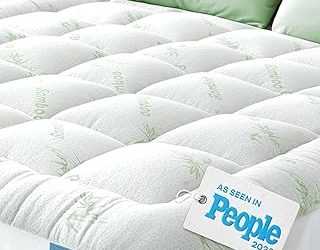
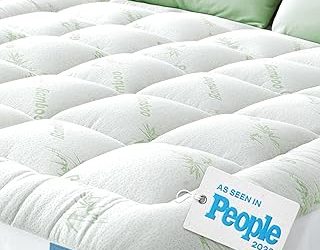
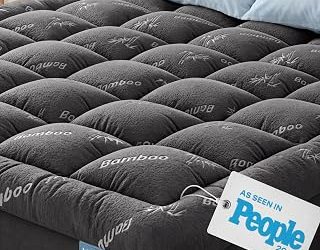
The bamboo-derived viscose top layer delivers an immediately noticeable softness that reads less like protective bedding and more like a lightweight throw. It breathes well against memory foam’s natural heat retention and the fitted construction stays quiet through the night — no plasticky crinkle, no shift. At up to 18-inch deep pockets, it accommodates most modern mattresses without struggle. This is the pick if you want protection that doesn’t compromise the bed’s tactile identity.
BDEUS Dual Layer 5-Inch Memory Foam Topper
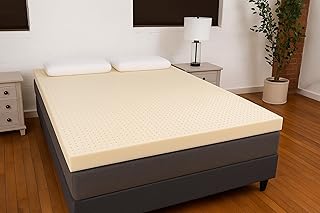
This one blurs the line between protector and comfort upgrade. The 2-inch gel memory foam paired with a 1450 GSM down-alternative pillow top creates a genuinely plush sleep surface that also shields the mattress beneath. From an ambience standpoint, the dark-gray tone under sheets gives the bed a grounded, intentional look, and the dual-layer construction absorbs movement noise beautifully. Best for sleepers who want their protector to actively reshape the feel of the mattress, not just cover it.
Dormeo Premium Breathable Mattress Topper
The Octaspring technology — individual foam springs arranged in three ergonomic zones — is unlike anything else in this roundup. Pressure relief concentrates where the body needs it most, and the open-air channels between springs create a ventilation pattern that actively cools. The anti-slip bottom keeps the topper centered without excess fabric noise. This is the most engineered option here, ideal for back-support-focused sleepers who also want airflow that feels genuinely designed rather than incidental.
Greenshield Organic Cotton Memory Foam Protector
Organic cotton with an eco-friendly water-resistant treatment gives this protector a clean, honest material story. The Kool-Flow stretch fabric moves with the memory foam beneath rather than fighting it — important for maintaining the contouring feel that memory foam buyers are paying for. All-USA manufacturing and the absence of harsh chemical treatments make it the strongest choice for anyone sensitive to off-gassing or synthetic odors in a bedroom environment.
BEDLORE Waterproof Mattress Protector
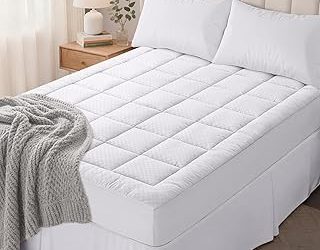
The BEDLORE strikes the most practical balance in the group. Deep pockets stretch to 18 inches, the noiseless construction holds up under tossing and turning, and the dirt-proof exterior layer adds a third dimension of protection beyond standard waterproof covers. The gray colorway offers a subtle visual departure from clinical white — a small detail, but one that matters when you’re composing a bedroom where every visible element contributes to a cohesive tone.
Frequently Asked Questions
Do memory foam mattress protectors change how the foam feels?
Thin, stretch-fabric protectors like the PlushDeluxe or Greenshield preserve the contouring feel almost entirely. Thicker quilted or dual-layer options — such as the BDEUS or Dormeo — add noticeable plushness on top, which may be desirable if your mattress has firmed up with age or you prefer a softer initial sink.
How often should I wash a mattress protector?
Every one to two months under normal use, or immediately after spills, illness, or heavy perspiration. Most options in this roundup are machine-washable; always use a gentle cycle and low-heat tumble dry to preserve waterproof membranes and fabric softness over time.
Will a protector make my bed sleep cooler?
It can, if you choose wisely. Bamboo viscose, organic cotton, and gel-infused foam layers actively dissipate heat that plain polyester covers trap. The Dormeo’s Octaspring air channels and the Greenshield’s Kool-Flow fabric are specifically engineered to address the thermal stacking that memory foam is known for.
Are mattress protectors necessary if I don’t have allergies?
Even without allergy concerns, protectors shield against perspiration, body oils, and accidental spills that degrade foam over time. A quality protector extends mattress life significantly — and from a bedroom-ambience perspective, it keeps the sleep surface feeling fresh and consistent rather than slowly absorbed and compromised.
Final Thoughts
For most sleepers, the PlushDeluxe Bamboo offers the best combination of quiet comfort, reliable waterproofing, and honest material quality. The Dormeo Premium is the clear winner for anyone prioritizing engineered cooling and orthopedic support. And if you want a protector that doubles as a genuine comfort upgrade, the BDEUS Dual Layer delivers transformative softness without sacrificing function. Choose based on what your sleep environment needs — and let the protector do its job without you ever noticing it’s there.