Key takeaways
- Suction that survives raking light: Headline Pa figures are measured in sealed lab conditions, so treat 16,000Pa as genuinely capable and anything above 30,000Pa as headroom rather than a different category. What separates them in practice is whether embedded fibres lift out of pile carpet or just get rearranged.
- Onboard illumination: A built-in LED at the nozzle tip is the single most underrated feature on a car vacuum. Under-seat voids, glovebox corners, and the trench beside the centre console are effectively unlit spaces, and a ring or strip light means you clean what you can see instead of sweeping blind.
- Runtime versus interior size: A thorough two-row detail runs 25 to 40 minutes. Look for swappable batteries or a 20-minute-plus rating at full power, since fade halfway through means the second half of the cabin gets a worse clean than the first.
- Nozzle geometry: Flat crevice tools reach seat rails, soft brushes protect gloss trim and screens, and a flexible hose earns its keep around child seat anchors. Blower functions are useful for chasing dust out of vents before you vacuum it up.
- Weight and balance in the hand: Detailing means holding a tool at odd angles for long stretches, often overhead into headliners. Anything under about 1.5kg with the mass centred over your wrist will keep you working longer and steadier.
What's inside
Anyone who has detailed a car at dusk knows the humbling moment: you finish the seats, park under a sodium streetlamp or swing a work light across the footwell, and a whole second layer of grit appears out of nowhere. Interior dirt is a lighting problem as much as a cleaning one. Diffuse daylight through a windscreen flattens everything and hides fine debris in the weave of the upholstery, while low-angle raking light throws long shadows off every crumb, hair, and sand grain along the seat rails. The vacuum you own has to survive that second look.
This guide approaches cordless car vacuums the way we approach a room: what does the surface look like once you light it properly? We tested suction against the stuff that actually hides in cabins — embedded pet hair, blown-in dust on dark plastics, sugar in the seat seams — and paid close attention to the details that matter when you are working in a dim garage or a driveway after sunset. Onboard LED quality, nozzle reach into unlit crevices, runtime long enough to finish a full interior in one session, and how honestly a machine performs once you stop trusting overhead light and start using a torch.
As an Amazon Associate we earn from qualifying purchases.



How to Choose a Cordless Vacuum For Car Detailing (2026)
- Suction that survives raking light: Headline Pa figures are measured in sealed lab conditions, so treat 16,000Pa as genuinely capable and anything above 30,000Pa as headroom rather than a different category. What separates them in practice is whether embedded fibres lift out of pile carpet or just get rearranged.
- Onboard illumination: A built-in LED at the nozzle tip is the single most underrated feature on a car vacuum. Under-seat voids, glovebox corners, and the trench beside the centre console are effectively unlit spaces, and a ring or strip light means you clean what you can see instead of sweeping blind.
- Runtime versus interior size: A thorough two-row detail runs 25 to 40 minutes. Look for swappable batteries or a 20-minute-plus rating at full power, since fade halfway through means the second half of the cabin gets a worse clean than the first.
- Nozzle geometry: Flat crevice tools reach seat rails, soft brushes protect gloss trim and screens, and a flexible hose earns its keep around child seat anchors. Blower functions are useful for chasing dust out of vents before you vacuum it up.
- Weight and balance in the hand: Detailing means holding a tool at odd angles for long stretches, often overhead into headliners. Anything under about 1.5kg with the mass centred over your wrist will keep you working longer and steadier.
The Best Cordless Vacuums For Car Detailing (2026) Reviewed
35000Pa Cordless Car Vacuum with Two Detachable Batteries
The twin-battery setup and 60-minute combined runtime make this the pick for anyone detailing more than one vehicle, and the 350ml XL dust cup means fewer interruptions mid-job. Strong lifting power on pet hair, and the capacity is genuinely useful when you are working through a family SUV.
MONOZEL 2-in-1 Cordless Car Vacuum and Air Duster
The 130W brushless motor and 7800mAh battery deliver consistent 18000Pa suction without noticeable fade, and the integrated LED is bright and well-aimed rather than decorative. The duster mode is the smart part: blow dust out of vents and switch panels first, then vacuum it off the mats.
16000Pa 4-in-1 Handheld Vacuum and Blower
An 85,000RPM brushless motor gives this one a sharper, more focused airflow than the raw Pa figure suggests, and the pump function is a genuine convenience for topping up tyres or inflatables. A sensible all-rounder for regular upkeep rather than deep restoration work.
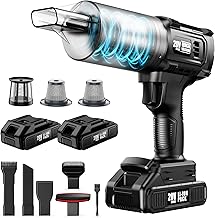
50,000Pa 6-in-1 Cordless Handheld Vacuum
The most aggressive machine here on paper, and it does pull stubborn debris out of carpet pile that gentler units skim over. Two batteries plus a charger keep it running, and the accessory set covers keyboards and upholstery as capably as car interiors.
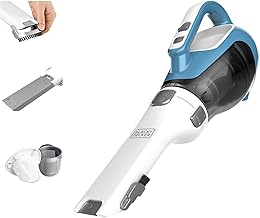
Black+Decker Dustbuster AdvancedClean
Not the highest suction figure in this group, but the most predictable tool to live with — the charging station keeps it ready, and the rotating nozzle plus crevice tool handle everyday spills without ceremony. Choose it for reliability and brand support over peak power.
Frequently Asked Questions
Does a higher Pa rating always mean better cleaning?
No. Pa measures sealed suction pressure, not airflow at the nozzle, and nozzle design often matters more. A well-shaped crevice tool on a 16000Pa unit can outperform a poorly matched attachment on a 50,000Pa one.
Is a built-in LED light actually worth paying for?
Yes, more than most buyers expect. Car interiors are full of unlit cavities, and cleaning under a torch you have to hold in your other hand is genuinely awkward. The Mr.ego and MONOZEL models both handle this well.
Can these handle wet spills?
Most compact cordless units here are dry-only. Blot liquid spills first with a microfibre towel and let the area dry before vacuuming, or damp debris will clog the filter and hold odour.
How often should filters be cleaned?
Rinse or tap out the filter every two to three details, and let it dry fully before reinstalling. Suction loss is far more often a clogged filter than a failing motor.
Final Thoughts
For serious detailing sessions where you want power and enough runtime to finish properly, the 35000Pa twin-battery model and the 50,000Pa 6-in-1 are the two to shortlist. If you want a lighter, better-lit tool for frequent quick passes — the kind of maintenance that stops grit becoming ground-in grime — the MONOZEL 2-in-1 strikes the best balance of suction, visibility, and comfort in the hand.