Key takeaways
- Thickness with a purpose: Under 3 inches, a heavier sleeper compresses straight through to the mattress below and feels every worn coil. Three inches is the working minimum; 4 to 5 inches gives you genuine float and the visual loft that keeps a made bed looking crisp.
- Density over softness: Look for 4 lb per cubic foot or higher in the support layer. Low-density foam feels wonderful in the first week and then takes a permanent impression, which is the single most common failure I hear about.
- Dual-layer construction: The smartest designs pair a firm base for load-bearing with a softer comfort layer on top. That split lets you have contour without collapse, rather than compromising on one medium-firm slab.
- Real airflow, not just gel: Gel beads help, but ventilated or wave-textured foam moves heat far more effectively. Larger bodies generate more warmth, and trapped heat softens foam, which then sags further — a loop worth designing out.
- Certification and honest sizing: CertiPUR-US or Oeko-Tex certification means verified low emissions and no lingering factory smell. Check the listed dimensions against your mattress too, since a thick topper needs deep-pocket sheets to stay taut.
What's inside
I spend my working life dialing rooms down: layering a warm 2700K wash against a single pool of task light, hunting the dimmer curve that makes a bedroom feel like it exhales at 10 p.m. And I’ve learned that all of that atmospheric work collapses the moment a bed stops cooperating. A mattress that dips under a heavier frame doesn’t just sleep badly, it reads badly. Grazing light across a sagging surface throws a shadow trough right down the middle of the room’s largest horizontal plane, and no amount of bedside glow fixes a bed that looks tired at eye level.
Heavier sleepers, generally 230 lbs and up, compress foam faster and deeper than spec sheets assume, which is why so many toppers feel plush for a month and hollow by spring. This guide looks at the toppers that actually hold their geometry under real load: what density and thickness to insist on, how gel infusion behaves once body heat is trapped under a duvet, and which of the current crop are worth your money in 2026.
As an Amazon Associate we earn from qualifying purchases.


How to Choose a Mattress Topper For Heavy People (2026)
- Thickness with a purpose: Under 3 inches, a heavier sleeper compresses straight through to the mattress below and feels every worn coil. Three inches is the working minimum; 4 to 5 inches gives you genuine float and the visual loft that keeps a made bed looking crisp.
- Density over softness: Look for 4 lb per cubic foot or higher in the support layer. Low-density foam feels wonderful in the first week and then takes a permanent impression, which is the single most common failure I hear about.
- Dual-layer construction: The smartest designs pair a firm base for load-bearing with a softer comfort layer on top. That split lets you have contour without collapse, rather than compromising on one medium-firm slab.
- Real airflow, not just gel: Gel beads help, but ventilated or wave-textured foam moves heat far more effectively. Larger bodies generate more warmth, and trapped heat softens foam, which then sags further — a loop worth designing out.
- Certification and honest sizing: CertiPUR-US or Oeko-Tex certification means verified low emissions and no lingering factory smell. Check the listed dimensions against your mattress too, since a thick topper needs deep-pocket sheets to stay taut.
The Best Mattress Toppers For Heavy People (2026) Reviewed
5 Inch Mega Support Dual Layer Memory Foam Topper
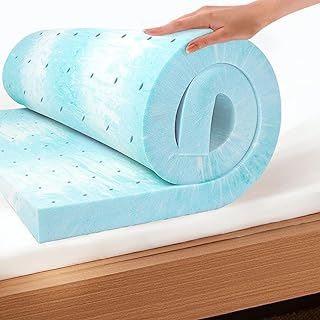
This is the most substantial option here, stacking a 2.5-inch pillow top over 2.5 inches of cooling gel-infused support, and that architecture is exactly right for heavier frames. If your mattress has already started to hollow, five inches of fresh structure effectively resets the bed’s surface plane.
BedStory 3 Inch Extra Firm Gel Memory Foam Topper
The extra-firm formulation is the differentiator: it resists the deep compression that swallows softer toppers, making it a strong pick for back and stomach sleepers carrying more weight. The skin-friendly cover and CertiPUR-US certification mean it arrives without the chemical off-gassing that ruins the first few nights.
Lucid 4 Inch Gel Memory Foam Topper
Four inches of ventilated, gel-infused foam delivers a plush, enveloping feel while still leaving enough material to bear load. Worth noting that the ultra-plush tuning suits side sleepers best; if you want firm support, size up in density elsewhere on this list.
JSELF 3 Inch Dual-Layer Gel Memory Foam Topper
The wave-textured surface does two jobs at once, channeling air laterally while distributing pressure across the hips and shoulders. The Bekaert fabric cover and non-slip base are practical details that matter more than they sound, since heavier sleepers shift thicker toppers out of position over time.
EGO 3 Inch Ventilated Gel Memory Foam Topper
A clean, no-nonsense build with genuine ventilation channels rather than gel alone doing the cooling work. It ships compressed in a box and needs 48 hours to reach full loft, so resist judging it on night one.
Frequently Asked Questions
How thick should a topper be if I weigh over 250 lbs?
Aim for 4 to 5 inches. Thinner toppers can work over a very firm mattress, but at higher weights you need enough material that you never bottom out onto the layer beneath.
Will a topper fix a mattress that already sags?
It masks a mild dip and buys you a season or two, but it cannot rebuild a broken support core. If you can see a visible valley with the sheets off, budget for a new mattress.
Is a 2 inch topper ever worth it?
Yes, for lighter partners or guest rooms, and the Linenspa 2 Inch Gel Memory Foam Topper is a sensible low-cost way to soften an overly firm bed. It’s simply too thin to carry substantial weight on its own.
Do gel toppers genuinely sleep cooler?
Gel moderates the initial heat spike rather than cooling all night. Ventilated or textured foam, paired with breathable cotton or bamboo sheets, makes a bigger difference.
Final Thoughts
For most heavier sleepers, the 5 Inch Mega Support dual-layer topper is the one I’d specify first, since its firm base and pillow top solve support and comfort separately instead of splitting the difference. Choose the BedStory 3 Inch Extra Firm if you want maximum resistance to sinking, or the JSELF 3 Inch dual-layer if heat and shifting are your main complaints, and let your carefully dimmed bedroom finally do its job.