Key takeaways
- Interior light color: Cool white and blue LEDs read clinical next to 2700K lamps and warm wood. If the spec sheet says blue, expect the fridge to become the visual focal point of the room at night. Neutral or warm interiors blend far better into a living space; save the icy blue for a garage bar or a game room where you actually want the contrast.
- Independent light switch: This is the single feature buyers regret skipping. You want to run the cooling with the light off, or vice versa when you are staging shelves. Units that tie the LED to the power state force you into all-or-nothing ambience.
- Glass treatment: Tempered single-pane glass mirrors your TV and every window across the room. Tinted or double-pane doors soften reflections, cut condensation haze, and hold the interior glow inside the cabinet instead of bouncing it around.
- Shelf geometry: Wire shelves let light travel down through the whole cabinet and keep shadows soft. Solid or closely spaced shelves cut the column into bright and dark bands, which looks unfinished when the door is the brightest thing in the room.
- Placement and sound: Leave three to four inches of rear clearance so the compressor is not fighting a wall, and remember that ambience is acoustic too. A unit rated in the high 30s dB range disappears under conversation; anything louder will register in a quiet bedroom.
What's inside
Most people shop for a beverage fridge the way they shop for a cooler: capacity, price, done. Then they plug it in, switch off the overheads at nine at night, and discover they have installed a small blue lighthouse in the corner of the living room. A glass-door drink fridge is not just storage. It is an illuminated object, roughly the size of a nightstand, that runs its own light source every hour you leave the switch on. Get the tint wrong and it fights every warm lamp in the room. Get it right and it reads as a built-in accent panel, the kind of low, contained glow that makes a den feel like a lounge.
This guide looks at the current crop of mini drink fridges through that lens: how the interior LED behaves after dark, whether you can shut it off independently of the compressor, how the door glass handles reflection and glare, and how shelf layout either scatters the light or lets it pool evenly. Capacity, temperature range, and noise still matter, and they are covered, but the ranking below weighs how each unit sits in a finished room rather than how many cans it swallows on paper.
As an Amazon Associate we earn from qualifying purchases.


How to Choose a Mini Drink Fridge (2026)
- Interior light color: Cool white and blue LEDs read clinical next to 2700K lamps and warm wood. If the spec sheet says blue, expect the fridge to become the visual focal point of the room at night. Neutral or warm interiors blend far better into a living space; save the icy blue for a garage bar or a game room where you actually want the contrast.
- Independent light switch: This is the single feature buyers regret skipping. You want to run the cooling with the light off, or vice versa when you are staging shelves. Units that tie the LED to the power state force you into all-or-nothing ambience.
- Glass treatment: Tempered single-pane glass mirrors your TV and every window across the room. Tinted or double-pane doors soften reflections, cut condensation haze, and hold the interior glow inside the cabinet instead of bouncing it around.
- Shelf geometry: Wire shelves let light travel down through the whole cabinet and keep shadows soft. Solid or closely spaced shelves cut the column into bright and dark bands, which looks unfinished when the door is the brightest thing in the room.
- Placement and sound: Leave three to four inches of rear clearance so the compressor is not fighting a wall, and remember that ambience is acoustic too. A unit rated in the high 30s dB range disappears under conversation; anything louder will register in a quiet bedroom.
The Best Mini Drink Fridge (2026)s Reviewed
Electactic 130 Can Beverage Refrigerator
At 3.2 cubic feet this is the tallest option here, and the full-height glass gives you a genuine lit panel rather than a glowing box. Digital temperature control down into the mid-30s means it holds a real serving temperature, and the interior light stays even from top shelf to bottom.
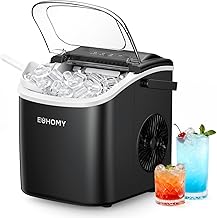
EUHOMY 130 Can Beverage Cooler
The black cabinet is the reason to pick this one: dark surrounds absorb spill light so the glow stays contained inside the door frame instead of washing the wall behind it. Removable shelves let you open up a tall bay for bottles without breaking up the light column.
hOmeLabs Beverage Refrigerator, 120 Cans
The most polished cabinet of the group, with a reversible door and adjustable shelving that make it easy to align with existing built-ins. It behaves like a piece of furniture that happens to be cold, which is exactly what you want in an open-plan room.
Antarctic Star 68 Can Beverage Refrigerator
A 1.7 cubic foot footprint that tucks under a counter or beside a console without dominating the corner. Electronic controls are responsive, and the smaller cabinet means less glass surface throwing reflections in a compact space.
Feelfunn 1.7 Cu.Ft 68 Can Beverage Cooler
Similar capacity to the Antarctic Star with a quieter presence and a clean black finish that suits a bedroom or home office. Good pick when the fridge needs to read as background rather than centerpiece.
Frequently Asked Questions
Does the interior light make the fridge work harder?
LED interiors draw very little power and add negligible heat, so leaving the light on is a styling choice rather than an efficiency penalty. The bigger factor is door openings and rear clearance.
Can I change the LED color?
Almost never on units in this price band. Treat the factory tint as fixed and choose accordingly, because a blue interior cannot be warmed up without voiding the cabinet.
Do I need a glass door at all?
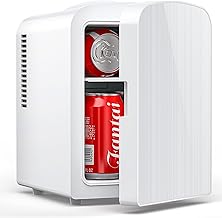
Not if ambience is not the point. A solid-door unit like the BEICHEN 4L mini fridge holds six cans, runs cool or warm, and works well on a desk or in a car where a lit display would be a distraction.
Where should I place it for the best effect?
Off the main sightline, ideally at the end of a room or under a counter, so the glow acts as a secondary light layer rather than competing with your lamps.
Final Thoughts
For a living room or finished basement, the EUHOMY 130 Can cooler gives the cleanest contained glow, while the hOmeLabs 120 Can unit is the one to buy if it needs to sit alongside real cabinetry. In tighter rooms, the Antarctic Star 68 Can strikes the best balance between capacity and a quiet, unobtrusive presence.