Key takeaways
- Comfort layer depth: Side sleeping concentrates body weight across two narrow contact zones. Look for a pillowtop or a generous foam comfort layer of at least three inches so the shoulder can sink while the waist stays supported. Tight-top firm builds are better suited to back and stomach sleepers.
- Zoned coil support: Sealy’s Posturepedic reinforcement runs down the center third of the mattress. That matters more than overall firmness rating, because it stops the hips from dropping into a hammock while the shoulder settles.
- Temperature behavior: A cool sleep surface reinforces the same signal a warm, dimmed room is sending. Gel-infused memory foam and encased coils that allow airflow both help. Dense all-foam builds hold heat longer.
- Motion isolation: Side sleepers reposition more often through the night. Individually encased coils or all-foam construction keep that movement from traveling to a partner, so neither of you surfaces into full wakefulness.
- Height and room proportion: A 14 to 15 inch profile sits high, which changes how bedside lamps and sconces read. Plan for shade bottoms roughly level with the shoulder of a seated sleeper, or the glare lands in your eyes.
What's inside
Side sleepers get the worst of both worlds when mattress shopping. A surface too firm turns the shoulder and hip into pressure points, and you wake with that dull ache that no amount of coffee resolves. Too soft, and the spine sags out of neutral by 3 a.m. I spend my working life shaping bedrooms as environments, layering warm lamps, dimming down the last hour before sleep, keeping the color temperature under 2700K so the body reads the room as night. And I can tell you that all of that careful atmosphere collapses if the mattress underneath fights the sleeper’s shape. The bed is the anchor of the room’s mood. It deserves the same specification rigor as the fixtures above it.
This guide looks at Sealy Posturepedic and Sealy Dreamlife models through a side sleeper’s lens, plus one well-reviewed alternative for comparison. I’ve weighed comfort layer depth, how each surface handles shoulder and hip drop-in, motion isolation for couples, and heat behavior, since a mattress that runs warm undoes a cool, low-lit room faster than anything else. Below you’ll find quick picks, a short buying framework, and honest notes on where each model earns its place.
As an Amazon Associate we earn from qualifying purchases.


How to Choose a Sealy Posturepedic Mattress For Side Sleepers (2026)
- Comfort layer depth: Side sleeping concentrates body weight across two narrow contact zones. Look for a pillowtop or a generous foam comfort layer of at least three inches so the shoulder can sink while the waist stays supported. Tight-top firm builds are better suited to back and stomach sleepers.
- Zoned coil support: Sealy’s Posturepedic reinforcement runs down the center third of the mattress. That matters more than overall firmness rating, because it stops the hips from dropping into a hammock while the shoulder settles.
- Temperature behavior: A cool sleep surface reinforces the same signal a warm, dimmed room is sending. Gel-infused memory foam and encased coils that allow airflow both help. Dense all-foam builds hold heat longer.
- Motion isolation: Side sleepers reposition more often through the night. Individually encased coils or all-foam construction keep that movement from traveling to a partner, so neither of you surfaces into full wakefulness.
- Height and room proportion: A 14 to 15 inch profile sits high, which changes how bedside lamps and sconces read. Plan for shade bottoms roughly level with the shoulder of a seated sleeper, or the glare lands in your eyes.
The Best Sealy Posturepedic Mattress For Side Sleepers (2026)s Reviewed
Sealy Posturepedic Plus Glenshaw 15″ Firm Pillowtop, King
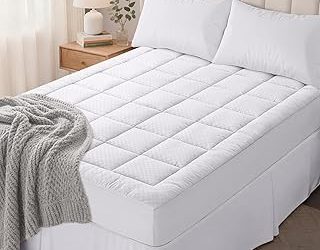
The pillowtop is what makes this work for side sleepers despite the firm designation. You get contouring at the shoulder and hip from the quilted top layer, with a firm innerspring core underneath holding the lumbar line steady. At 15 inches, it’s the most substantial option here and reads as a proper anchor piece in a larger room.
Sealy Dreamlife 14″ Hybrid, King
My pick for most side sleepers. SealyComfort gel memory foam handles the pressure relief while SealyResponsive encased coils provide lift and airflow, and the combination avoids the sunk-in feeling that pure foam can produce. Motion isolation is genuinely good, which matters in a shared bed.
Sealy Dreamlife 14″ Foam, King
An all-foam build with gel memory foam over SealySupport transition foam, giving deep, even contouring for lighter side sleepers and anyone who dislikes the springiness of coils. It runs slightly warmer than the hybrid version, so pair it with breathable bedding.
Sealy Posturepedic Pro Haverford 13″ Firm Hybrid, Queen
A firm tight-top hybrid that suits combination sleepers who spend part of the night on their side and part on their back. Expect noticeably less shoulder give than the Glenshaw pillowtop, so it’s the right call for heavier sleepers or those who prefer to sleep on top of a mattress rather than in it.
Sleepmax Queen 14″ Cooling Hybrid
The value alternative, with a CertiPUR-US certified, fiberglass-free build and a 365-night trial that removes most of the risk from buying online. It doesn’t match Sealy’s zoned support engineering, but the cooling performance and pressure relief are solid for the price.
Frequently Asked Questions
Is a firm mattress ever right for a side sleeper?
Yes, if it has a proper comfort layer on top. The Glenshaw is rated firm but its pillowtop does the contouring work. A firm tight-top model like the Fayette 13″ gives far less shoulder relief and suits back sleepers better.
Hybrid or all-foam for side sleeping?
Hybrid, in most cases. You get foam contouring at the pressure points plus coil support and better airflow. All-foam is worth choosing if you want maximum motion isolation or dislike any bounce.
How long is the break-in period?
Give any new mattress two to four weeks. Foam layers soften as they respond to your body, and your body adapts to a new support profile at the same time.
Does room temperature affect which mattress I should pick?
It does. If your bedroom runs warm, or you use warm-toned incandescent lighting that adds real heat to a small space, prioritize a gel-infused hybrid over a dense all-foam build.
Final Thoughts
For most side sleepers, the Sealy Dreamlife 14″ Hybrid offers the best balance of pressure relief, airflow, and motion isolation, delivered compressed for easy setup. If you want a traditional innerspring feel with genuine shoulder contouring, the Posturepedic Plus Glenshaw 15″ Pillowtop is the stronger choice, and the Sleepmax 14″ Hybrid is a credible budget route with a full year to change your mind. Choose the surface that lets your body settle, then build the room’s light around it.