Key takeaways
- PSI and GPM Balance: PSI determines how forcefully water hits a surface, while GPM measures how much water flows. For outdoor furniture and patios, a sweet spot sits around 3,400–4,200 PSI paired with at least 2.5 GPM. Higher GPM rinses faster, which matters when you’re cleaning large dining tables or expansive deck surfaces without leaving streak marks.
- Honda Engine Reliability: Honda GX-series engines are the gold standard for pressure washers because they start predictably, run smoothly under load, and tolerate seasonal storage better than most competitors. Prioritize models with the GX200 or larger—these engines are rebuildable, parts are widely available, and they hold resale value.
- Pump Quality and Serviceability: A triplex pump (like the AAA units Simpson uses) distributes wear across three plungers, extending lifespan compared to axial pumps. Check whether the pump is brass-headed or aluminum—brass resists corrosion and handles hot climates with less degradation over time.
- Hose Length and Flexibility: A 25-foot hose suits small patios, but 35 to 50 feet becomes essential if you’re reaching second-story siding or cleaning a long walkway from a single water source. MorFlex or steel-braided hoses resist kinking, which keeps your workflow steady and avoids pressure drops mid-clean.
- Compliance and Storage Features: If you live in California or a 49-state compliance-restricted region, verify CARB approval before purchasing. Also look for onboard soap tanks, hose reels, and folding handle designs—these details determine whether the unit lives conveniently in your garage or becomes an awkward obstacle.
What's inside
As someone who designs outdoor living spaces for a living, I can tell you that the single most underrated factor in making a patio, deck, or garden room feel intentional is cleanliness. Dust-caked stone, green-tinged furniture, and grime-streaked fencing quietly undo every lighting scheme and furniture arrangement you’ve invested in. The problem is that the pressure washer market is flooded with underpowered units, unreliable pumps, and engines that sputter after one season—leaving homeowners frustrated and their outdoor rooms looking half-finished.
This guide cuts through the noise. I’ve evaluated the strongest gas pressure washers built around Honda engines in 2026, focusing on the models that deliver consistent cleaning performance without the headaches. Whether you’re restoring a weathered dining set under string lights or prepping a courtyard for a fresh coat of stain, these picks will help you protect the visual investment you’ve made in your outdoor spaces.
As an Amazon Associate we earn from qualifying purchases.




How to Choose a Gas Pressure Washer With Honda Engine (2026)
- PSI and GPM Balance: PSI determines how forcefully water hits a surface, while GPM measures how much water flows. For outdoor furniture and patios, a sweet spot sits around 3,400–4,200 PSI paired with at least 2.5 GPM. Higher GPM rinses faster, which matters when you’re cleaning large dining tables or expansive deck surfaces without leaving streak marks.
- Honda Engine Reliability: Honda GX-series engines are the gold standard for pressure washers because they start predictably, run smoothly under load, and tolerate seasonal storage better than most competitors. Prioritize models with the GX200 or larger—these engines are rebuildable, parts are widely available, and they hold resale value.
- Pump Quality and Serviceability: A triplex pump (like the AAA units Simpson uses) distributes wear across three plungers, extending lifespan compared to axial pumps. Check whether the pump is brass-headed or aluminum—brass resists corrosion and handles hot climates with less degradation over time.
- Hose Length and Flexibility: A 25-foot hose suits small patios, but 35 to 50 feet becomes essential if you’re reaching second-story siding or cleaning a long walkway from a single water source. MorFlex or steel-braided hoses resist kinking, which keeps your workflow steady and avoids pressure drops mid-clean.
- Compliance and Storage Features: If you live in California or a 49-state compliance-restricted region, verify CARB approval before purchasing. Also look for onboard soap tanks, hose reels, and folding handle designs—these details determine whether the unit lives conveniently in your garage or becomes an awkward obstacle.
The Best Gas Pressure Washers With Honda Engine (2026) Reviewed
SIMPSON PS3228 PowerShot
The PS3228 is the reliable workhorse for homeowners who need serious cleaning without commercial-grade bulk. At 3,300 PSI with a Honda GX200 and AAA triplex pump, it handles patio furniture, fencing, and walkway grime with confidence. The 25-foot MorFlex hose is the one limitation—plan to buy an extension if your outdoor space stretches beyond a compact footprint. For the price, it’s one of the most dependable starter units in this class.
SIMPSON ALH3425 Aluminum Series
Stepping up to the ALH3425 gets you 3,600 PSI and a 35-foot hose, which genuinely changes how you work. The longer reach means you can clean an entire deck perimeter without dragging the unit around. The aluminum frame shaves weight compared to powder-coated steel alternatives, making repositioning between furniture groupings noticeably easier. This is the model I’d recommend for anyone maintaining a mid-size outdoor entertaining area.
SIMPSON ALWB60827 Aluminum Water Blaster
At 4,200 PSI and an impressive 4.0 GPM, this is the overachiever of the Simpson lineup. The 50-foot hose and commercial-grade output make it ideal for large properties where you’re tackling driveways, retaining walls, and outdoor furniture in a single session. The higher flow rate means faster rinsing, which translates to cleaner finishes on delicate surfaces like teak or powder-coated aluminum furniture—places where residue left behind ruins the aesthetic under warm evening lighting.
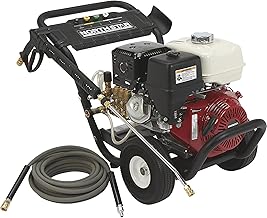
NorthStar 4200 PSI Pressure Washer
NorthStar pairs its 4,200 PSI output with 3.5 GPM, creating a machine that hits hard and moves volume. The construction leans toward commercial durability—cold water delivery, grease-ready fittings, and a frame built for jobsite conditions. For a furniture-focused buyer, this unit excels at stripping old finishes and prepping large wooden pieces for refinishing. It’s an investment, but the build quality suggests it’ll outlast most residential-grade competitors by years.
Westinghouse WPX3400
The WPX3400 is the most versatile all-rounder in this roundup. At 3,400 PSI and 2.6 GPM, it handles cars, fences, driveways, and patio furniture with equal competence. The onboard soap tank is a genuine convenience—switching between detergent application and rinse mode without disconnecting anything keeps your workflow smooth. For someone managing a variety of outdoor surfaces around a home, this unit strikes the best balance between power, portability, and everyday practicality.
Frequently Asked Questions
Can I use a gas pressure washer on wooden outdoor furniture?
Absolutely, but nozzle selection matters enormously. Start with a 40-degree or 25-degree tip and maintain at least 12 inches of distance from the wood surface. High pressure combined with the wrong nozzle can splinter grain and raise fibers, which ruins the finish under ambient outdoor lighting. A Honda-powered unit gives you the throttle control to dial back pressure for delicate work.
How often should I service the Honda engine on my pressure washer?
Follow the Honda maintenance schedule: change oil after the first 20 hours, then every 100 hours or annually. Replace the air filter every 200 hours or sooner in dusty environments. For seasonal users, run fuel stabilizer through the system before winter storage—this single step prevents the carburetor gumming that kills more engines than mechanical failure.
Is 4,200 PSI too much for cleaning outdoor furniture?
Not if you manage it properly. Higher PSI simply means you can use a wider-angle nozzle from a greater distance, which actually produces gentler, more even cleaning. The NorthStar and Simpson ALWB60827 give you the headroom to clean concrete and stone aggressively while backing off for furniture—a flexibility that lower-PSI units can’t match.
Do I need a hot water pressure washer for outdoor furniture?
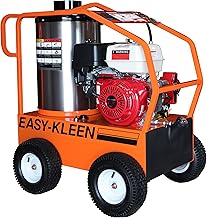
For most residential furniture cleaning, cold water with a quality detergent handles the job well. Hot water becomes valuable when you’re stripping grease, oil-based stains, or heavy biological growth. The Easy-Kleen’s diesel burner system is exceptional for commercial restoration work, but it adds weight, complexity, and cost that most homeowners won’t need.
Final Thoughts
If I’m recommending three models for outdoor living spaces in 2026, it’s the SIMPSON ALH3425 for balanced everyday use, the SIMPSON ALWB60827 for large properties demanding maximum output, and the Westinghouse WPX3400 for homeowners who want one capable machine across every surface. Each protects the outdoor aesthetic you’ve worked hard to create—and that’s what matters when the sun goes down and the lights come on.