Key takeaways
- UV Transmission & Light Quality: A pergola that blocks 90% of UV rays creates dramatically different ambience than one filtering only 50%. Decide whether you want dappled, café-style shade or a more protected retreat — the material’s openness factor determines the mood entirely.
- Weather Resistance: Aluminum and polycarbonate panels handle rain, snow, and salt air without warping or rusting. Fabric covers and HDPE canopies resist moisture well but may need seasonal attention to prevent mildew in humid climates.
- Mounting & Structural Compatibility: Wall-mounted lean-to designs like aluminum gazebos suit narrow patios and decks, while free-standing fabric solutions work on existing pergola frames. Always confirm your pergola’s dimensions before purchasing a canopy or curtain.
- Maintenance Commitment: Solid aluminum frames require only an occasional rinse. Fabric and shade cloth need periodic removal, washing, or replacement every few years — a factor that affects long-term cost and convenience.
- Evening Ambience Potential: Curtains and fabric canopies catch warm string-light glow beautifully and soften hard architectural edges. Translucent polycarbonate panels cast a diffused, lantern-like wash overhead that transforms night entertaining.
What's inside
Choosing the right material for a pergola is rarely about aesthetics alone. It is about how that material shapes the light falling across your patio at golden hour, whether your seating area stays cool under a brutal July sun, and if the structure weathers gracefully or becomes a maintenance headache after two seasons. Buyers face a cluttered market full of vague specs, misleading product photos, and material jargon that obscures what actually performs outdoors year after year.
This guide cuts through the noise with a lighting-and-ambience perspective — examining how each material filters, diffuses, or blocks sunlight; how it contributes to evening atmosphere; and how it holds up under real-world conditions. Here are the best pergola materials for 2026, reviewed with an eye toward both durability and the quality of light they deliver in your outdoor living space.
As an Amazon Associate we earn from qualifying purchases.


How to Choose a Material For Pergola (2026)
- UV Transmission & Light Quality: A pergola that blocks 90% of UV rays creates dramatically different ambience than one filtering only 50%. Decide whether you want dappled, café-style shade or a more protected retreat — the material’s openness factor determines the mood entirely.
- Weather Resistance: Aluminum and polycarbonate panels handle rain, snow, and salt air without warping or rusting. Fabric covers and HDPE canopies resist moisture well but may need seasonal attention to prevent mildew in humid climates.
- Mounting & Structural Compatibility: Wall-mounted lean-to designs like aluminum gazebos suit narrow patios and decks, while free-standing fabric solutions work on existing pergola frames. Always confirm your pergola’s dimensions before purchasing a canopy or curtain.
- Maintenance Commitment: Solid aluminum frames require only an occasional rinse. Fabric and shade cloth need periodic removal, washing, or replacement every few years — a factor that affects long-term cost and convenience.
- Evening Ambience Potential: Curtains and fabric canopies catch warm string-light glow beautifully and soften hard architectural edges. Translucent polycarbonate panels cast a diffused, lantern-like wash overhead that transforms night entertaining.
The Best Material For Pergola (2026)s Reviewed
Aoxun 8’x10′ Wall-Mounted Lean-To Gazebo
This heavy-duty aluminum lean-to delivers one of the strongest structural statements in its price range. The sloped black aluminum frame channels rainwater cleanly off one side while allowing generous filtered light through an open or paneled design. As a lighting choice, it creates a defined overhead plane that throws crisp, architectural shadows — ideal for modern patios where clean geometry matters as much as shade.
Universal Pergola Replacement Canopy (HDPE, Walnut)
HDPE fabric with rod-pocket construction makes this canopy a practical way to dial shade coverage over an existing 10-by-10 pergola frame. The walnut-toned weave warms the light underneath without muting it entirely, producing a sunlit glow that flatters wood furniture and stone surfaces. Its breathability prevents heat buildup on the hottest afternoons, keeping the space underneath genuinely comfortable.
RYB HOME Extra Wide Outdoor Curtains (Biscotti Beige)
These thermal-insulated curtains do something most pergola materials cannot: they let you reshape light and privacy on demand. Draw them closed for a fully enclosed, diffused glow that eliminates glare and softens every surface. Pull them back for full sun exposure. The biscotti beige tone reflects light upward and outward, making even a compact pergola feel more spacious and warmly lit.
Aoxun 8’x5′ Premium Gazebo with Polycarbonate Panels
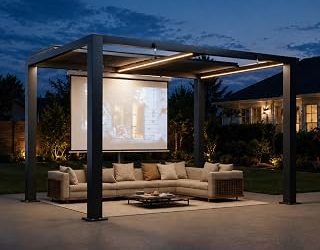
Polycarbonate panels paired with an aluminum frame create a genuinely versatile overhead material. The panels filter harsh midday sun into an even, milky diffusion that eliminates hotspots while preserving brightness — something solid metal roofing cannot achieve. At night, overhead string lights behind polycarbonate produce a soft, glowing canopy effect that feels like a permanent installation rather than a seasonal add-on.
Sun Shade Cloth for Outdoor Patio (90% UV, Mocha)
At 90% UV protection, this grommeted shade cloth offers the most aggressive sun blocking in this roundup. The mocha color avoids the sterile, commercial look of lighter shades, lending a rich, earthy undertone to the light it lets through. It is an excellent choice for south-facing pergolas where glare reduction and temperature control are the primary concerns — and it installs in minutes using simple zip ties or hooks.
Frequently Asked Questions
Can I use fabric canopy covers in rainy climates?
HDPE canopy covers resist moisture and dry quickly, but prolonged heavy rain can cause water pooling if tension is not maintained. In consistently wet regions, pairing a canopy with a sloped structural frame — or choosing a polycarbonate panel system — provides more reliable all-weather protection.
Which material creates the best evening atmosphere?
Curtains and fabric canopies excel at catching and softening artificial light, creating an intimate dining atmosphere. Translucent polycarbonate panels offer a different effect: a glowing overhead plane that feels almost architectural. Solid metal frames provide less direct atmosphere but support hanging lights and fans effectively.
How often should I replace a shade cloth or fabric canopy?
Quality HDPE canopies and sun shade cloths typically last three to five seasons with proper care — removing them during winter storage and washing them annually. UV exposure is the primary aging factor, so choosing darker tones like walnut or mocha can extend usable life.
Do wall-mounted pergolas cast enough shade?
Wall-mounted lean-to gazebos like the Aoxun models deliver full overhead coverage within their footprint. They work exceptionally well over doorways, narrow decks, and side patios where a freestanding pergola would not fit, providing reliable shade with a clean, space-efficient profile.
Final Thoughts
For most homeowners balancing durability, ambience, and low maintenance, the Aoxun 8’x10′ lean-to aluminum gazebo stands out as the most complete structural solution. If you want to transform an existing pergola with minimal investment, the Universal HDPE Replacement Canopy delivers warmth and comfort at a fraction of the cost. And for anyone who values the ability to control light and privacy moment by moment, the RYB HOME thermal insulated curtains remain an unmatched flexibility play — turning a simple pergola into a genuinely adaptable outdoor room.