Key takeaways
- Read the feel rating, not the word “plush”: Most boxed kings in this range are labeled medium or medium-firm. Genuine cushioning usually comes from a quilted pillow top or a thick comfort layer, so look for that in the spec rather than trusting the adjective.
- Treat heat as a design constraint: Softer foam cradles more of you, which means less airflow. Gel infusions, open-cell structures, and perforated or channeled layers are the difference between waking up damp and sleeping through.
- Match support zoning to your sleep position: Zoned builds firm up under the lumbar and soften at the shoulder. Side sleepers feel this immediately; back sleepers benefit from the mid-body reinforcement.
- Check motion isolation before you check thickness: A king is bought for shared sleep. Dense memory foam absorbs movement far better than a bouncy build, and that single trait tends to matter more than an extra inch of loft.
- Confirm CertiPUR-US and give it room to breathe: The certification covers foam emissions and content. Unbox in a ventilated room, leave it 48 hours, and judge the feel only after it has fully expanded.
What's inside
I spend my working life dimming rooms down: choosing the warm end of the color spectrum for bedside sconces, hiding drivers so nothing hums, killing the blue glow of a charging cable. And every so often a client tells me the room still doesn’t work. The lighting is perfect at 9 p.m., the blackout layers are perfect at midnight, and they still wake at three. Nine times out of ten the problem isn’t the room. It’s the last surface in it. A king mattress is the largest single object in a bedroom, and if it runs hot or sags at the hip, no amount of 2200K glow is going to rescue the night.
So consider this a designer’s take on the plush king category rather than a lab report. Below are six mattresses-in-a-box worth shortlisting in 2026, chosen for the things that actually matter once the lights are off: how they handle body heat, whether a partner’s 2 a.m. trip to the kitchen registers as an event, and how quickly they settle into a shape you can forget about. I’ll also flag where “plush” is marketing shorthand and where it’s a real construction difference, because in this price bracket the two get blurred constantly.
As an Amazon Associate we earn from qualifying purchases.


How to Choose a Plush King Size Mattress (2026)
- Read the feel rating, not the word “plush”: Most boxed kings in this range are labeled medium or medium-firm. Genuine cushioning usually comes from a quilted pillow top or a thick comfort layer, so look for that in the spec rather than trusting the adjective.
- Treat heat as a design constraint: Softer foam cradles more of you, which means less airflow. Gel infusions, open-cell structures, and perforated or channeled layers are the difference between waking up damp and sleeping through.
- Match support zoning to your sleep position: Zoned builds firm up under the lumbar and soften at the shoulder. Side sleepers feel this immediately; back sleepers benefit from the mid-body reinforcement.
- Check motion isolation before you check thickness: A king is bought for shared sleep. Dense memory foam absorbs movement far better than a bouncy build, and that single trait tends to matter more than an extra inch of loft.
- Confirm CertiPUR-US and give it room to breathe: The certification covers foam emissions and content. Unbox in a ventilated room, leave it 48 hours, and judge the feel only after it has fully expanded.
The Best Plush King Size Mattresses (2026) Reviewed
Sweetnight CoolNest 14″ Cooling Memory Foam King
A medium-feel foam build with five-zone support, which reads as forgiving at the shoulder without letting the hips drop. It’s the pick if you want that sinking, quiet foam sensation and you’re sensitive to a partner’s movement.
Sweetnight CoolNest Hybrid 14″ Pillow Top King
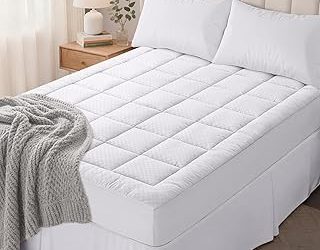
The genuinely plush option here: a quilted pillow top over a coil-supported core, with seven-zone shaping and a four-stage breathability system. Medium-firm underneath, soft on top, and the most convincing choice for hot sleepers who don’t want to give up cushioning.
Novilla 14″ AiryFlow King Memory Foam
Novilla’s AiryFlow layer keeps this one from turning into the warm hollow that thick foam can become. Medium-firm and clearly aimed at spinal alignment, so it suits back sleepers and anyone who finds softer mattresses hard to move on.
Sealy Dreamlife 14″ Foam Mattress-in-a-Box King
The recognizable name in the group, pairing SealyComfort gel memory foam with a transition layer that stops the drop-off you feel on cheaper two-layer builds. A safe, well-balanced pick when you’d rather not gamble on a newer brand.
Novilla 14″ Gel Memory Foam King in a Box
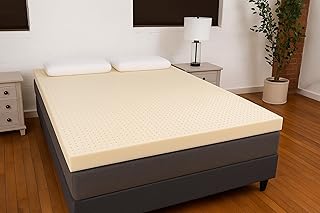
Strong motion isolation and gel-infused cooling at a friendly price, which makes it a sensible guest-room or second-bedroom king. Expect classic contouring foam rather than a lofty pillow-top surface.
Frequently Asked Questions
Is a plush mattress bad for back pain?
Not inherently. Problems arise when a soft surface has no reinforcement beneath it. Zoned or transition-layer builds let you have cushioning at the shoulder while keeping the lumbar region supported.
How long does off-gassing take?
Usually 24 to 72 hours in a ventilated room. Certified foams keep emissions low, but the smell of a freshly decompressed mattress is normal and fades.
Do I need a box spring?
No. These work on a platform bed, a slatted frame with gaps under roughly three inches, or an adjustable base. Wide-set slats will cause sagging and can void warranties.
Will a 14-inch mattress fit my sheets?
Standard king fitted sheets often stop at 14 inches of pocket depth. Buy deep-pocket sheets, especially if you add a topper or protector.
Final Thoughts
If you want true plushness without heat, the Sweetnight CoolNest Hybrid pillow top is the one I’d specify. The Sweetnight CoolNest foam king is the better call for quiet, deep-contouring sleep, and the Sealy Dreamlife is the dependable middle path for buyers who value a known name and a balanced feel.