Key takeaways
- Fill Composition: Goose down-and-feather blends deliver the softest hand-feel with genuine loft, while pure feather fills are firmer and more supportive. Duck feather splits the difference — plush enough to cushion, structured enough to prevent that “sinking into quicksand” sensation. Match the fill ratio to whether you sleep on your side, back, or stomach.
- Cover Fabric: A 100% cotton shell is non-negotiable for breathability. It wicks moisture away from the body, resists the static buildup synthetic covers create, and actually improves with washing. If you run hot, prioritize cotton over polyester blends every time.
- Loft Thickness: Two inches suits side sleepers who want mild cushioning; three inches is the universal sweet spot for pressure relief across all positions; and five-inch dual-layer designs are built for people who need substantial transformation of a firm or aging mattress surface.
- Attachment System: Elastic corner straps are the minimum — adjustable bands with anti-slip backing are better. Deep-pocket designs that stretch to 18 inches handle thick pillow-top mattresses without creeping toward the foot of the bed at 2 a.m.
- Noise and Motion Transfer: Box-stitch quilting keeps feather clusters locked in place, eliminating the rustling that cheaper baffled designs produce. If you share a bed, this detail matters more than almost any other specification on the label.
What's inside
Most people spend a third of their lives on a mattress that’s slowly losing its soul. You sink into the same dips, feel the same pressure points at 3 a.m., and wake up wondering why “sleeping in” never actually helped. The fix isn’t always a new mattress — sometimes it’s a well-chosen feather topper that reconfigures the entire surface beneath you, redistributing body weight and softening every hard edge your current bed throws at you.
From the warm glow of a bedside lamp cascading across quilted cotton to the way a topper’s loft catches and holds that amber light — creating a bedroom that feels genuinely inviting — the right feather layer transforms both comfort and atmosphere. This guide walks through the six strongest options available right now, breaking down fill materials, cover construction, and real-world feel so you can land on the one that fits your sleep style without second-guessing.
As an Amazon Associate we earn from qualifying purchases.


How to Choose a Feather Mattress Topper (2026)
- Fill Composition: Goose down-and-feather blends deliver the softest hand-feel with genuine loft, while pure feather fills are firmer and more supportive. Duck feather splits the difference — plush enough to cushion, structured enough to prevent that “sinking into quicksand” sensation. Match the fill ratio to whether you sleep on your side, back, or stomach.
- Cover Fabric: A 100% cotton shell is non-negotiable for breathability. It wicks moisture away from the body, resists the static buildup synthetic covers create, and actually improves with washing. If you run hot, prioritize cotton over polyester blends every time.
- Loft Thickness: Two inches suits side sleepers who want mild cushioning; three inches is the universal sweet spot for pressure relief across all positions; and five-inch dual-layer designs are built for people who need substantial transformation of a firm or aging mattress surface.
- Attachment System: Elastic corner straps are the minimum — adjustable bands with anti-slip backing are better. Deep-pocket designs that stretch to 18 inches handle thick pillow-top mattresses without creeping toward the foot of the bed at 2 a.m.
- Noise and Motion Transfer: Box-stitch quilting keeps feather clusters locked in place, eliminating the rustling that cheaper baffled designs produce. If you share a bed, this detail matters more than almost any other specification on the label.
The Best Feather Mattress Topper (2026)s Reviewed
ELEMUSE Queen Goose Down Feather Topper
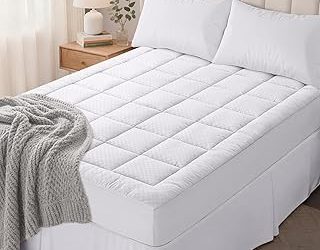
This fusion-blend topper marries goose down softness with structured feather fill, creating a pillow-top feel that cradles without collapsing under two sleepers. The deep-pocket design grips queen beds securely, and the loft catches lamplight in a way that makes the whole bed look more luxurious from across the room. An excellent entry point for couples upgrading a guest room or primary bedroom.
3 Inch Goose Feather Topper with Cotton Cover
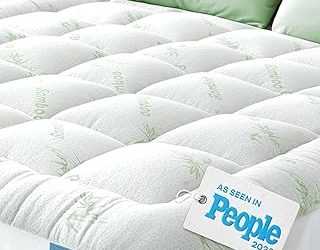
Engineered specifically for back pain and pressure-point relief, this topper pairs a generous three-inch loft with a clean 100% cotton cover and adjustable anti-slip straps. The supportive feather fill holds spinal alignment for back and side sleepers while the cotton shell breathes through warm nights — a thoughtful balance of cushioning and structural integrity.
WhatsBedding 3in Duck Feather Memory Foam Topper
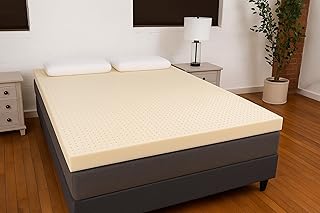
The memory foam base layer beneath a duck feather surface creates a one-two combination: contouring pressure relief from below, cloud-like softness on top. The cotton top cover stays cool against skin, and the elastic band system keeps everything locked in place. Ideal for anyone who finds pure feather too unstructured but wants that natural texture against their body.
WhatsBedding 3in Goose Feather Topper, 2000gsm
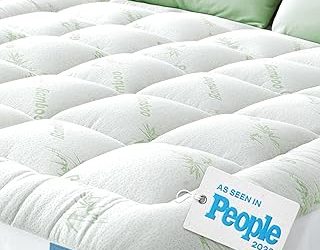
At 2000 grams per square meter, this handmade box-stitch topper delivers noticeably denser fill than competitors. The goose feather interior feels substantially plush, and the box-stitch construction eliminates feather migration entirely. It’s breathable, virtually noiseless, and works across multiple bed sizes — a best-in-class option for sleepers who want serious weight and softness.
Dual Layer 5 Inch Goose Feather Topper
For mattresses that need a complete surface overhaul, this five-inch dual-layer design stacks structured support underneath a feather-soft pillow top. It stretches to fit 18-inch mattresses, and the adjustable bands with anti-slip backing mean it stays exactly where you put it. The cotton cover ages gracefully, and the two distinct layers mean you get firmness and plushness without compromise.
Frequently Asked Questions
Are feather mattress toppers good for back pain?
Yes — specifically those with three inches or more of feather fill. The natural clusters redistribute weight away from pressure points along the spine and hips, providing cushioning that memory foam alone often lacks. Back and side sleepers notice the greatest improvement.
Do feather toppers sleep hot?
Generally no. Goose and duck feather are naturally breathable, and a cotton cover enhances airflow significantly. Feather toppers actually outperform most synthetic alternatives for temperature regulation, making them a solid choice for hot sleepers who also want plush comfort.
How often should I fluff a feather mattress topper?
Give it a thorough fluff every time you change sheets — roughly every one to two weeks. This redistributes the feather clusters, maintains consistent loft, and prevents the gradual compression that reduces cushioning over months of use.
Can I wash a feather mattress topper at home?
Most feather toppers with cotton covers are machine washable on a gentle cycle with mild detergent. Use low heat in the dryer and add clean tennis balls to restore loft. Always verify the manufacturer’s care instructions before washing for the first time.
Final Thoughts
For most sleepers, the WhatsBedding 3in Goose Feather Topper hits the best balance of dense fill, breathable construction, and long-term durability. Couples sharing a queen bed should consider the Dual Layer 5 Inch Goose Feather Topper for its unmatched depth and secure fit. And if budget-conscious comfort with genuine loft is the priority, the ELEMUSE Queen Goose Down Feather Topper delivers more luxury per dollar than anything else in this roundup.