Key takeaways
- Profile depth: Ten inches is the practical sweet spot for side sleepers. Eight inches can work for lighter frames, but below that the shoulder bottoms out and you’ll feel the platform. Measure your bunk cutout and any under-bed storage lift before committing to twelve.
- Feel, honestly assessed: Side sleepers generally want medium over medium firm. Firmness props the shoulder up and kinks the spine at the neck; a medium lets it drop into the comfort layer where it belongs.
- Thermal behavior: A camper is a metal box with poor thermal mass. Gel-infused or bamboo charcoal foams and open-cell airflow structures matter more here than in a climate-controlled bedroom, especially in summer boondocking.
- Certifications: Look for CertiPUR-US and OEKO-TEX marks, plus explicit fiberglass-free construction. In a small, tightly sealed cabin you live closer to your materials than you do at home.
- Exact size language: RV dimensions are their own dialect — short queen is 60×74, full XL is 53×80, short king runs 75×72. Confirm the number, not the name, and check whether your sheets will follow.
What's inside
I spend my working hours shaping how rooms feel after sunset — where the amber pools, where the shadows soften, how a space tells a body it’s allowed to stop. RV berths are the hardest rooms I’ve ever tuned. You can hang blackout shades, swap the harsh overhead for a warm 2200K strip along the toe kick, and kill every blue standby LED in the coach, and a side sleeper will still wake at 3 a.m. with a numb arm and a shoulder that feels bruised. Ambience isn’t only light. The surface under you is the loudest element in the room, and most factory RV mattresses are shouting.
Side sleeping asks something specific of a mattress: it has to let the shoulder and hip sink while holding the ribs and waist level, all within the shallow depth an RV platform allows. This guide looks at the models that actually manage that trick in short queen, full XL, and short king footprints — foam and hybrid builds, cooling constructions, and the certifications worth checking before a box lands in your driveway.
As an Amazon Associate we earn from qualifying purchases.


How to Choose a Rv Mattress For Side Sleepers (2026)
- Profile depth: Ten inches is the practical sweet spot for side sleepers. Eight inches can work for lighter frames, but below that the shoulder bottoms out and you’ll feel the platform. Measure your bunk cutout and any under-bed storage lift before committing to twelve.
- Feel, honestly assessed: Side sleepers generally want medium over medium firm. Firmness props the shoulder up and kinks the spine at the neck; a medium lets it drop into the comfort layer where it belongs.
- Thermal behavior: A camper is a metal box with poor thermal mass. Gel-infused or bamboo charcoal foams and open-cell airflow structures matter more here than in a climate-controlled bedroom, especially in summer boondocking.
- Certifications: Look for CertiPUR-US and OEKO-TEX marks, plus explicit fiberglass-free construction. In a small, tightly sealed cabin you live closer to your materials than you do at home.
- Exact size language: RV dimensions are their own dialect — short queen is 60×74, full XL is 53×80, short king runs 75×72. Confirm the number, not the name, and check whether your sheets will follow.
The Best Rv Mattress For Side Sleepers (2026)s Reviewed
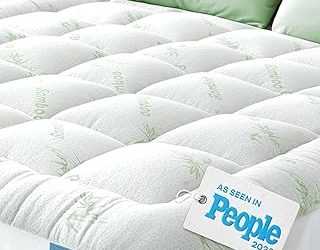
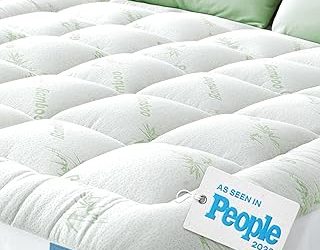
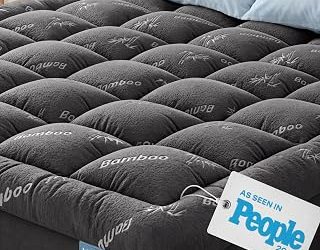
Lucid 10 Inch Bamboo Charcoal Memory Foam, Short Queen
The medium feel gives shoulders the room they need without letting hips drift out of line, and the charcoal-and-gel infusion keeps the surface from turning into a heat trap by hour three. A strong default choice if your rig takes a standard 60×74 platform.
Zinus 10 Inch Ultima RV Memory Foam, Short Queen
Medium firm, so it suits side sleepers on the heavier end of the range or anyone who also sleeps partly on their back. The breathable airflow foam and dual CertiPUR-US and OEKO-TEX certification make it an easy recommendation for full-time living.
WanderRest Cool Hybrid 10″, Full XL
Pocketed coils under gel memory foam give this one a livelier, more supportive response than all-foam builds — useful if your shoulder wants to sink but your lower back needs pushback. The 53×80 footprint fits the narrow, long bunks that all-foam brands often skip.
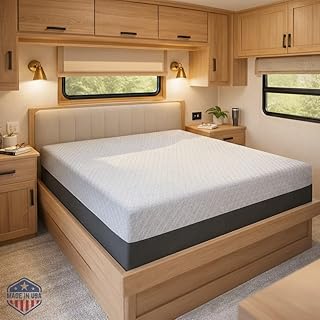
Celestial Sleep 10 Inch Short Queen
A medium cooling foam made in the USA with fiberglass-free construction spelled out plainly, which is worth something in a category where that detail often isn’t. The contouring is generous through the shoulder without the slow, sticky sink of older memory foam.
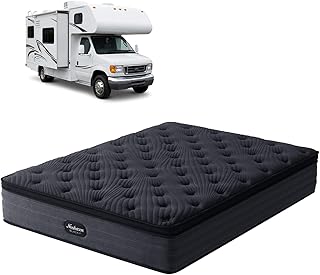
12 Inch Hybrid Short King, 75″x72″
The most residential-feeling option here: twelve inches of cooling gel foam over coils, in a short king for couples who don’t want to negotiate elbow room. Verify your platform can absorb the extra height, especially with lift-up storage beneath.
Frequently Asked Questions
Is an 8-inch mattress enough for a side sleeper?
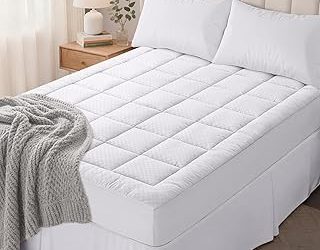
It can be for lighter builds, and models like the 8-inch Aquasoft short queen with its diamond soft cover are comfortable in that range. Above roughly 180 pounds, though, most side sleepers compress an 8-inch foam core far enough to feel the base.
Do I need cooling features if I mostly camp in cool weather?
Less urgently, but foam holds body heat regardless of outside temperature, and RV ventilation is limited. Cooling construction costs little extra and rarely hurts.
How long does a bed-in-a-box need to expand?
Give it 24 to 48 hours in a warm space. Cold storage bays slow the process considerably, so unbox indoors if you can.
Will regular queen sheets fit a short queen?
They’ll go on, but the extra six inches of length bunches under your feet. Short queen sheet sets are inexpensive and worth buying alongside the mattress.
Final Thoughts
For most side sleepers in a standard short queen berth, the Lucid 10 Inch bamboo charcoal model is the balanced pick — medium feel, sensible cooling, no fuss. Choose the WanderRest Cool Hybrid if your bunk is a 53×80 full XL or you want coil support under the foam, and step up to the 12 Inch Hybrid Short King if the platform and the partner situation both call for it. Get the surface right, then let the warm light do its quieter work.