Key takeaways
- Match CFM to your tools, not your ego: A brad nailer sips air; a framing nailer, siding gun, or DA sander drinks it. Add up the CFM at 90 PSI of every tool you plan to run at once, then add roughly 30 percent headroom so the motor is not cycling constantly.
- Tank size decides rhythm, not power: Pressure comes from the pump, but a bigger tank means longer stretches of quiet between refills. Six gallons is right for trim, cove details, and cabinet backs; 20 gallons and up is for continuous-draw tools.
- Noise is a design constraint in occupied rooms: Anything under about 80 dB lets you keep talking to a client while you work. Loud units force you to schedule around people, which costs more than the compressor saved.
- Oil-free versus oil-lubricated: Oil-free pumps are lighter, need no upkeep, and travel well. Oil-lubricated cast-iron pumps run cooler and last far longer, but they want a permanent home and a level floor.
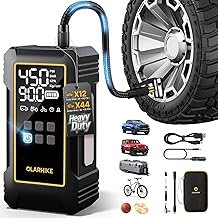
- Portability means the whole system: Weigh the unit, then think about hose reach, cord length, and whether you can carry it one-handed up a narrow stair. A cordless inflator solves a different problem entirely and is worth owning alongside a tank.
What's inside
Most of my work happens in the last hour before a room gets photographed, when the cove lighting has to sit flush, the picture rail needs to hide a driver channel, and the client is already asking where the dimmer lives. That is where air comes in. A compressor is not glamorous, but it is the difference between a valance that reads as architecture and one that reads as an afterthought — brad nails set clean, no hammer bruise on a painted reveal, no split in a 3/4-inch nosing you spent an afternoon profiling. Buyers get stuck because compressor specs are written for framing crews, not for people building light shelves, upholstered headboards, and floating consoles in occupied homes.
This guide sorts the 2026 field by brand character rather than by horsepower alone: who makes a tank you can carry up a stairwell without waking a toddler, who makes the cast-iron workhorse that lives in a shop and runs a sander all day, and who makes the palm-sized inflator that saves a delivery day. Every pick below is judged on the things that actually decide an install — recovery speed, noise at conversational distance, and whether the regulator holds a steady pressure while two guns are working.
As an Amazon Associate we earn from qualifying purchases.



How to Choose a/an Air Compressor Brands (2026)
- Match CFM to your tools, not your ego: A brad nailer sips air; a framing nailer, siding gun, or DA sander drinks it. Add up the CFM at 90 PSI of every tool you plan to run at once, then add roughly 30 percent headroom so the motor is not cycling constantly.
- Tank size decides rhythm, not power: Pressure comes from the pump, but a bigger tank means longer stretches of quiet between refills. Six gallons is right for trim, cove details, and cabinet backs; 20 gallons and up is for continuous-draw tools.
- Noise is a design constraint in occupied rooms: Anything under about 80 dB lets you keep talking to a client while you work. Loud units force you to schedule around people, which costs more than the compressor saved.
- Oil-free versus oil-lubricated: Oil-free pumps are lighter, need no upkeep, and travel well. Oil-lubricated cast-iron pumps run cooler and last far longer, but they want a permanent home and a level floor.
- Portability means the whole system: Weigh the unit, then think about hose reach, cord length, and whether you can carry it one-handed up a narrow stair. A cordless inflator solves a different problem entirely and is worth owning alongside a tank.
The Best Air Compressor Brands (2026)s Reviewed
DEWALT 6-Gallon Pancake (DWFP55126)
The default choice for finish work: 165 max PSI in a genuinely quiet, oil-free package that starts reliably in a cold garage. At 2.6 SCFM at 90 PSI it keeps a brad gun and a pin nailer fed without complaint, which is exactly the load a lighting valance or plinth build demands.
Metabo HPT 6-Gallon Pancake (EC914S)
Same footprint as the DEWALT but tuned for heavier appetites — 200 PSI and 4 CFM means it will genuinely run two framing or roofing nailers at once. If your projects swing between architectural trim and structural backing for heavy fixtures, this is the more versatile pancake.
Craftsman 26-Gallon Portable
The sensible step up for a home shop: 5.0 CFM at 90 PSI from an oil-free induction motor rated around 1,000 hours, on wheels so it still moves between bays. Enough air for sanding and spraying, which matters when you are finishing custom panels rather than just nailing them.
Ingersoll Rand 2340N5-V (80 Gallon, Two-Stage)
This is shop infrastructure, not a tool you carry — 14.3 CFM at 90 PSI from a cast-iron two-stage pump, built to run production days for decades. Specify it only if you have three-phase-friendly space and continuous-draw tools to justify it.
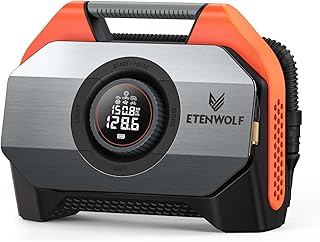
ETENWOLF VORTEX S6 Cordless Inflator
A dual-cylinder, 100 percent duty cycle inflator with a 19,200mAh pack and an LED backlight, which makes it the one to keep in the van for tires, air mattresses, and staging inflatables. The light is genuinely useful working a dark driveway after an evening install.
Frequently Asked Questions
Can one compressor handle both trim work and tires?
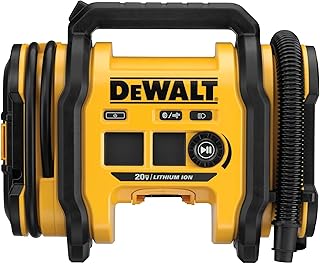
Technically yes, but the ergonomics are wrong. Keep a pancake tank for nailing and a cordless unit like the DEWALT 20V MAX inflator (DCC020IB), which shuts off automatically at your target pressure, for anything with a valve stem.
How loud is too loud for an occupied home?
Above roughly 85 dB you are shouting over the motor and disturbing the household. Modern oil-free pancakes sit meaningfully below that, which is why they dominate interior punch-list work.
Do I need a moisture trap for finish work?
Yes, if you are spraying. Compressed air carries condensation, and a single water spot in a lacquered reveal will show under grazing light. An inline filter costs little and prevents a costly refinish.
Is a bigger tank always better?
No. A large tank on an underpowered pump just means longer waits to refill. Pump output governs how much work you can do; the tank governs how evenly you can do it.
Final Thoughts
For most people building furniture, millwork, and integrated lighting details, the DEWALT DWFP55126 is the pick that earns its keep every week, with the Metabo HPT EC914S the better call if you routinely run two heavier guns at once. Add the ETENWOLF VORTEX S6 for everything that happens outside the workshop, and step up to the Ingersoll Rand 2340N5-V only when a permanent shop and continuous-draw tools genuinely demand it.