Key takeaways
- Comfort layer depth: Side sleepers need at least 3 to 4 inches above the coils. Anything shallower lets your shoulder bottom out on the spring unit, which is where most complaints about arm numbness originate.
- Latex type and blend: Talalay is airier and softer, ideal directly under the shoulder; Dunlop is denser and better as a transition layer. Many mid-price hybrids use latex-like foams instead — fine performance, but check the spec sheet if natural materials matter to you.
- Zoned coil support: Look for three to five zones. Softer coils at the shoulder and firmer ones under the hips keep your spine in a straight line rather than a shallow S when viewed from behind.
- Firmness target: Medium to medium-firm is the working band for most side sleepers. Go softer if you’re under about 130 lb, firmer if you’re over 230 lb or share the bed with a heavier partner.
- Heat, edges and trial length: Latex sleeps cooler than memory foam but pressure-relieving covers can trap warmth, so gel or phase-change treatments earn their place. Reinforced perimeters help if you sleep near the edge, and a trial of six months or longer lets you judge properly through a seasonal shift.
What's inside
I design lighting for bedrooms, which means I spend my working life on the last hour of the day — dimming the ceiling out of the picture, pushing warm low-level light toward the floor, killing the glare that keeps a nervous system switched on. Then a client tells me they still wake at 2 a.m. with a dead arm, and I’m reminded that ambience has a tactile half. You experience a mattress with your eyes shut, and for side sleepers it’s the least forgiving surface in the house: your shoulder and hip carry nearly all the load across a narrow strip of contact. Too firm and the joint gets pinched. Too soft and the lumbar curve collapses into a hammock. Either way, the room I so carefully tuned gets blamed for nothing.
Latex hybrids solve this better than most constructions because latex has spring-back rather than slow-melt sink. It cradles the shoulder without swallowing it, then lets go the moment you turn. Paired with pocketed coils, you get contour where you want it and support underneath where you need it. This guide covers what actually matters in a latex or latex-adjacent hybrid for side sleeping — comfort-layer depth, coil zoning, firmness targets, thermal behaviour — and then works through the specific 2026 models worth your attention, from budget bed-in-a-box options to organic and luxury builds.
As an Amazon Associate we earn from qualifying purchases.


How to Choose a Latex Hybrid Mattress For Side Sleepers (2026)
- Comfort layer depth: Side sleepers need at least 3 to 4 inches above the coils. Anything shallower lets your shoulder bottom out on the spring unit, which is where most complaints about arm numbness originate.
- Latex type and blend: Talalay is airier and softer, ideal directly under the shoulder; Dunlop is denser and better as a transition layer. Many mid-price hybrids use latex-like foams instead — fine performance, but check the spec sheet if natural materials matter to you.
- Zoned coil support: Look for three to five zones. Softer coils at the shoulder and firmer ones under the hips keep your spine in a straight line rather than a shallow S when viewed from behind.
- Firmness target: Medium to medium-firm is the working band for most side sleepers. Go softer if you’re under about 130 lb, firmer if you’re over 230 lb or share the bed with a heavier partner.
- Heat, edges and trial length: Latex sleeps cooler than memory foam but pressure-relieving covers can trap warmth, so gel or phase-change treatments earn their place. Reinforced perimeters help if you sleep near the edge, and a trial of six months or longer lets you judge properly through a seasonal shift.
The Best Latex Hybrid Mattress For Side Sleepers (2026)s Reviewed
Coolvie Hybrid Latex King 14″
The most complete build here for side sleepers with size on them: genuine latex over five-zone heavy-duty springs, topped with a Euro top that spreads shoulder load instead of concentrating it. Motion isolation is strong enough that a restless partner won’t register on your side of the bed.
Ethical Mattress CO 10″ Organic Hybrid
Organic cotton, wool, latex and pocketed coils, made in the USA, with nothing synthetic in the mix — the right answer if bedroom air quality is part of your comfort equation. At 10 inches and medium firm it suits lighter side sleepers best; heavier bodies may want more comfort layer above the coils.
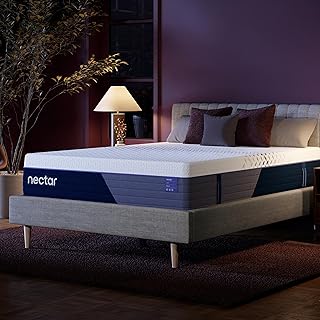
Nectar Luxe 14″ Hybrid
A polished, hotel-grade medium firm with a plush surface that yields at the shoulder and holds firm at the hip, backed by a full year to change your mind. Worth the premium if you want a finished, well-quilted feel rather than a bare-bones box mattress.
Sleepmax 14″ Queen Hybrid
Strong value for a first proper hybrid: deep pressure-relieving layers, cooling treatment, CertiPUR-US certified and fiberglass-free, with a 365-night trial that removes the guesswork. It reads slightly softer than its spec suggests, which most dedicated side sleepers will welcome.
Luxury Hotel Cooling Hybrid 14″ Queen
The zoning here is the selling point — individually pocketed springs tuned specifically for hip, shoulder and lumbar contact, which is exactly the load map of a side sleeper. A sensible pick if you rotate between side and back through the night.
Frequently Asked Questions
Isn’t latex too firm for side sleeping?
Latex feels firmer on first contact but responds progressively, so the shoulder sinks in as pressure builds. What people usually dislike is thin latex over an unforgiving coil unit, not the material itself.
Latex hybrid or memory foam hybrid for shoulder pain?
Latex, in most cases. Memory foam cradles deeply but resists repositioning, so turning takes effort and the joint stays loaded longer. Latex releases immediately, which suits anyone who changes sides several times a night.
Do I need a specific bed frame?
Latex hybrids are heavy, so slats should sit no more than about three inches apart with centre support on queen and king sizes. A sagging base will void the feel of even an excellent mattress.
How long is the break-in period?
Give it two to four weeks. Any manufacturing odour dissipates within a few days in a ventilated room, and your body needs a fortnight or so to stop defending the old mattress’s shape.
Final Thoughts
If you want one recommendation with the fewest compromises, the Coolvie Hybrid Latex King handles side-sleeping load better than anything else on this list. The Nectar Luxe is the refined alternative for anyone who wants a plusher, more hotel-like surface with a generous trial, while the Ethical Mattress CO organic hybrid is the pick for lighter sleepers who care as much about what’s in the bed as how it feels — the same instinct that makes a well-lit room worth the effort in the first place.