Key takeaways
- Zoned support over uniform support: Look for mattresses that vary coil gauge or foam density across the surface. Zoned or 7-zone constructions soften under the shoulder and firm up under the lumbar, which is exactly the profile a side sleeper’s body asks for.
- Comfort layer depth: Side sleeping concentrates weight on a narrow footprint, so you need enough cushioning above the coils to let the shoulder sink. A 12-inch build with a generous top layer often outperforms a 14-inch build that’s mostly springs.
- Pocket coils, individually wrapped: These flex independently, contouring to your side profile instead of pushing back as one sheet. They also dramatically cut motion transfer, which matters if you share the bed with a restless partner.
- Heat management: Side sleeping means more surface contact and more trapped warmth. Gel-infused memory foam, breathable covers, and open coil layers keep the sleep surface from turning into a heat sink by hour three.
- Certifications and trial length: CertiPUR-US and fiberglass-free construction are baseline expectations now. A long sleep trial — 100 nights minimum, 365 if offered — matters because your body needs three to four weeks to adapt to a new firmness.
What's inside
I spend my working life dimming rooms for a living — calibrating color temperature, layering sconces against overheads, coaxing a bedroom from “alert” to “asleep” in four steps. And after a decade of it, I’ve learned something slightly outside my job description: you can get the light perfect and still lose the night. A side sleeper on the wrong mattress will wake at 3 a.m. under the softest 2200K glow, shoulder pinned, hip aching, cycling through positions until dawn. The room was ready. The surface wasn’t.
Medium is the sweet spot for side sleeping, and it’s also the hardest firmness to shop for, because “medium” is a marketing word before it’s a measurement. What you actually want is a surface that gives at the shoulder and hip while holding the lumbar curve steady — soft where you’re widest, supportive where you sag. This guide covers six medium and medium-firm hybrids built with side sleepers in mind, what separates them, and how to read the spec sheets without getting lost in foam jargon.
As an Amazon Associate we earn from qualifying purchases.


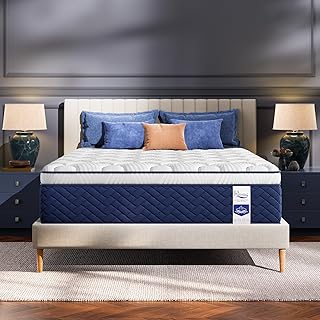
How to Choose a Medium Mattress For Side Sleepers (2026)
- Zoned support over uniform support: Look for mattresses that vary coil gauge or foam density across the surface. Zoned or 7-zone constructions soften under the shoulder and firm up under the lumbar, which is exactly the profile a side sleeper’s body asks for.
- Comfort layer depth: Side sleeping concentrates weight on a narrow footprint, so you need enough cushioning above the coils to let the shoulder sink. A 12-inch build with a generous top layer often outperforms a 14-inch build that’s mostly springs.
- Pocket coils, individually wrapped: These flex independently, contouring to your side profile instead of pushing back as one sheet. They also dramatically cut motion transfer, which matters if you share the bed with a restless partner.
- Heat management: Side sleeping means more surface contact and more trapped warmth. Gel-infused memory foam, breathable covers, and open coil layers keep the sleep surface from turning into a heat sink by hour three.
- Certifications and trial length: CertiPUR-US and fiberglass-free construction are baseline expectations now. A long sleep trial — 100 nights minimum, 365 if offered — matters because your body needs three to four weeks to adapt to a new firmness.
The Best Medium Mattress For Side Sleepers (2026)s Reviewed
Medium Firm Queen 14-Inch Hybrid with Zoned Lumbar Support
This is the most deliberately engineered option here for side sleeping, with a zoned lumbar section that keeps the lower back from dipping while the shoulder area stays yielding. The 365-night trial and 10-year warranty signal genuine confidence in the build, and the fiberglass-free construction removes a common worry with budget hybrids.
Queen 14-Inch Medium Firm Deep Sleep Hybrid
Pocket springs paired with cooling gel make this a strong pick for side sleepers who run warm or carry chronic lower-back tension. It leans firmer within the medium range, so it suits combination sleepers who rotate between side and back through the night.
Neo Sleep Queen 12-Inch Hybrid Pocket Spring
A true medium feel with unusually good edge support for a 12-inch mattress, which matters more than people expect — side sleepers drift outward, and a collapsing perimeter feels like sliding off a ledge. Motion isolation is the standout here, and the slip-resistant cover is a quietly practical touch.
12-Inch Queen Medium Firm Hybrid with Gel Memory Foam
The gel memory foam layer contours closely at the hip and shoulder before the pocket coils take over, giving a cradling feel without the sinking sensation of all-foam beds. A sensible choice for back-and-side sleepers who want pressure relief without losing structure.
Queen 12-Inch Cooling Hybrid
Cooling is the headline, and it earns it — gel foam over pocket coils with enough airflow to keep the surface temperature stable overnight. Medium firm and well balanced, it’s the most versatile pick for couples with differing preferences.
Frequently Asked Questions
Is medium or medium-firm better for side sleepers?
Most side sleepers do best on medium to medium-firm. Lighter sleepers under 130 lbs generally prefer the softer end so the shoulder can sink; heavier sleepers need medium-firm to prevent the hips from dropping out of alignment.
Does mattress height matter for side sleeping?
Less than the layer composition. A 12-inch mattress with a thick comfort layer can relieve pressure better than a 14-inch model that’s mostly coils. Read the layer breakdown, not the total number.
How long before a new mattress feels right?
Two to four weeks. Foams soften slightly and your body recalibrates from its old sleep surface. Resist judging a mattress in week one — that’s why long trials exist.
Can bedroom lighting actually affect how well a mattress works?
Indirectly, yes. Warm, low-level light in the hour before bed helps you fall asleep faster and reach deeper stages sooner, which means less tossing and less pressure buildup on the shoulder and hip. Good surface, good light — they compound.
Final Thoughts
If you want the most side-sleeper-specific engineering, the 14-Inch Hybrid with Zoned Lumbar Support is the clearest choice, with its zoned lumbar section and a full-year trial to prove it out. The Neo Sleep 12-Inch Hybrid is the better fit if you value edge support and a true medium feel, and the Hotel Collection 14-Inch with 7-Zone Support is worth a look for anyone who needs extra reinforcement through the hips. Set the lights low, give any of them a month, and let your shoulder tell you the answer.