Key takeaways
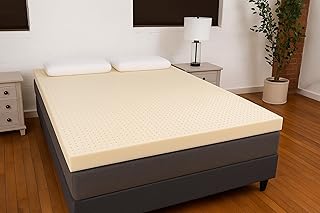
- Cooling Capacity: Look for gel-infused foams or open-cell constructions that actively draw heat away from the body rather than simply claiming to be “breathable.” Materials like copper-gel or ventilated latex outperform standard polyurethane in warm bedrooms.
- Layer Thickness and Density: A thicker topper is not automatically better. Match thickness to your primary complaint—a 2-inch gel layer handles pressure points, while 3 to 4 inches makes sense for significant firmness correction. Density measured in pounds per cubic foot reveals whether the foam will sag within a year.
- Cover Fabric and Tactile Feel: The surface material sets the room’s sensory tone. Natural cotton or Tencel covers regulate moisture and feel cool to the touch, while stretch-knit Bekaert fabrics add a structured, hotel-quality hand. Avoid thin polyester blends that pill after a few wash cycles.
- Compatibility and Fit: Deep-pocket designs with non-slip undersides stay anchored on mattresses up to 18 inches thick. Measure your mattress depth before ordering, and confirm whether the topper works with an adjustable base if that is part of your setup.
- Certifications and Off-Gassing: CertiPUR-US or Oeko-Tex certification means the foam has been tested for harmful chemicals and volatile organic compound emissions. This matters most in smaller or poorly ventilated bedrooms where off-gassing lingers.
What's inside
A topper that claims “luxury” on a product page rarely delivers what a restful bedroom actually requires. Buyers face a wall of near-identical memory-foam slabs and pillow-top pads, each promising cloud-level comfort while burying the details that genuinely matter—density, breathability, and how the material interacts with the room’s ambient temperature. The result is a guessing game that often ends with a sweaty night and a return label.
As someone who designs sleep spaces for a living, I evaluate mattress toppers the same way I evaluate every layer in a room: does it perform under real conditions? The five products below were assessed for cooling behavior, pressure relief, material integrity over time, and how each one contributes to a calmer, more intentional bedroom environment. Here is what actually holds up.
As an Amazon Associate we earn from qualifying purchases.



How to Choose a Luxury Mattress Topper (2026)
- Cooling Capacity: Look for gel-infused foams or open-cell constructions that actively draw heat away from the body rather than simply claiming to be “breathable.” Materials like copper-gel or ventilated latex outperform standard polyurethane in warm bedrooms.
- Layer Thickness and Density: A thicker topper is not automatically better. Match thickness to your primary complaint—a 2-inch gel layer handles pressure points, while 3 to 4 inches makes sense for significant firmness correction. Density measured in pounds per cubic foot reveals whether the foam will sag within a year.
- Cover Fabric and Tactile Feel: The surface material sets the room’s sensory tone. Natural cotton or Tencel covers regulate moisture and feel cool to the touch, while stretch-knit Bekaert fabrics add a structured, hotel-quality hand. Avoid thin polyester blends that pill after a few wash cycles.
- Compatibility and Fit: Deep-pocket designs with non-slip undersides stay anchored on mattresses up to 18 inches thick. Measure your mattress depth before ordering, and confirm whether the topper works with an adjustable base if that is part of your setup.
- Certifications and Off-Gassing: CertiPUR-US or Oeko-Tex certification means the foam has been tested for harmful chemicals and volatile organic compound emissions. This matters most in smaller or poorly ventilated bedrooms where off-gassing lingers.
The Best Luxury Mattress Topper (2026)s Reviewed
TEMPUR-Adapt Supreme 3″ Memory Foam Topper
Tempur-Pedic’s proprietary pressure-conforming foam responds to body heat with a slow, deliberate contour that distributes weight more evenly than any gel alternative here. The three-inch profile is thick enough to transform a firm mattress without creating a hammock effect, and the removable cover washes cleanly. This is the topper I specify most often for clients who need genuine orthopedic support paired with a quiet, low-motion-transfer sleep surface.
JSELF 3″ Gel Memory Foam Topper
Dual-layer construction places a wave-textured gel foam beneath a Bekaert fabric cover, creating two distinct cooling channels that outperform single-layer designs at the same price point. The wave pattern reduces pressure on hips and shoulders without the slow sink that leaves hot sleepers stranded. Oeko-Tex and CertiPUR-US certifications confirm the materials meet safety standards, and the non-slip base keeps it planted through the night.
Cotton Extra Thick Pillow Top Mattress Pad
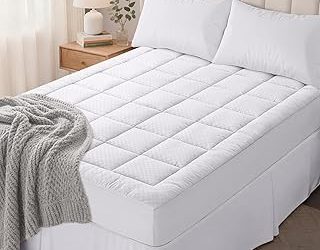
For anyone who avoids foam entirely, this 100% cotton pillow-top pad delivers a plush, breathable cushion that feels like sleeping inside a high-thread-count duvet. The overstuffed fill provides noticeable softness without the heat retention common to synthetic toppers, making it especially suited to warm climates. The deep-pocket skirt fits mattresses up to 21 inches, and the cotton surface actually improves with repeated washing.
Lucid 4″ Gel Memory Foam Topper
At four inches, this is the thickest topper in the lineup and the best choice for sleepers who need to substantially soften an innerspring or very firm mattress. Ventilated channels cut through the gel-infused foam to encourage airflow, though the depth means it retains more body heat than thinner alternatives. CertiPUR-US certified and available in full-size, it works well in guest rooms or dorm setups where mattress quality is not worth replacing outright.
Linenspa 2″ Gel Infused Memory Foam Topper
The most affordable entry here, Linenspa’s two-inch topper offers a plush gel-infused layer that takes the edge off a mattress that is slightly too firm rather than attempting a full comfort overhaul. It compresses quickly under sustained weight, so side sleepers over 200 pounds may want to step up in thickness. For lighter sleepers or back-sleepers seeking subtle pressure relief, the value is hard to beat.
Frequently Asked Questions
How long does a luxury mattress topper typically last?
High-density memory foam toppers from brands like Tempur-Pedic and JSELF maintain their shape for five to seven years with regular use. Lower-density options from Linenspa or Lucid typically compress noticeably after two to three years, especially under heavier body weight. Flipping the topper monthly extends lifespan across all types.
Can a mattress topper help with back pain?
Yes, particularly models in the three-to-four-inch range that contour to the lumbar curve while maintaining support. The TEMPUR-Adapt and JSELF toppers both distribute weight in ways that reduce spinal misalignment, though chronic back pain sufferers should consult a physician before relying on a topper as a primary intervention.
Do cooling mattress toppers really lower temperature?
Gel-infused and ventilated foams reduce surface temperature by a few degrees compared to standard memory foam, which is enough to make a meaningful difference in a warm bedroom. Pairing a cooling topper with breathable cotton sheets and keeping the room between 60 and 67 degrees Fahrenheit amplifies the effect considerably.
What is the difference between a mattress topper and a mattress pad?
A topper is a thick comfort layer—usually two to four inches—that sits on top of the mattress to change its feel. A pad is thinner, typically under an inch, and primarily protects the mattress surface while adding minimal cushioning. The Cotton Extra Thick Pillow Top blurs this line with its overstuffed fill, but most products fall clearly into one category.
Final Thoughts
The TEMPUR-Adapt Supreme leads for its unmatched pressure relief and durability, the JSELF Gel Memory Foam offers the strongest cooling performance at its price, and the Cotton Extra Thick Pillow Top is the standout for sleepers who want plush softness without any foam contact. Each addresses a distinct need, and any of the three meaningfully upgrades a bedroom’s comfort level.