Key takeaways
- Choose soft over medium: Firmness ratings assume a heavier sleeper. What a manufacturer calls medium firm often reads as firm to someone at 110 pounds, so shift one step softer than the label suggests.
- Look for a thick top layer: You need three inches or more of pliable foam above the support core. Thin comfort layers compress instantly and hand you straight to the coils.
- Favor pocketed coils over connected springs: Individually wrapped coils flex zone by zone, letting your shoulder drop while your waist stays supported — the sleep equivalent of separate circuits on separate dimmers.
- Check shoulder relief specifically: Side sleeping concentrates load at two narrow points. Test by lying on your side and reaching for the mattress edge; if your top shoulder rolls forward, the surface isn’t yielding enough.
- Mind heat, not just cooling claims: Softer foams cradle more of your body, which traps warmth. Gel infusions and cool-touch covers matter more at this comfort level than they do on firmer beds.
What's inside
Most of my work happens after sunset. I spend my days deciding how a room should feel at 9 p.m. — where the glow pools, what stays in shadow, how quickly a space lets someone downshift. And I’ve noticed that bedrooms fail in a predictable way: people dial in warm 2200K bedside lamps, install dimmers, hang blackout drapes, then lie down on a slab that fights their body all night. If you’re a lightweight side sleeper, under roughly 130 pounds, the problem is specific. You don’t weigh enough to press into a mattress’s comfort layers, so a bed engineered for an average sleeper behaves like a floor. Your shoulder stalls on the surface, your hip carries the load, and your spine bends into a shallow S it was never asked to hold.
This guide approaches mattress selection the way I’d approach a lighting plan for a bedroom: layers first, intensity second, and everything judged by how the room feels at the end of a long day rather than how it photographs. Below are the beds I’d specify for lighter side sleepers in 2026, plus the selection criteria that actually matter at your body weight — surface give, coil responsiveness, and how a mattress handles heat once the lamps are off.
As an Amazon Associate we earn from qualifying purchases.



How to Choose a Mattress For Lightweight Side Sleepers (2026)
- Choose soft over medium: Firmness ratings assume a heavier sleeper. What a manufacturer calls medium firm often reads as firm to someone at 110 pounds, so shift one step softer than the label suggests.
- Look for a thick top layer: You need three inches or more of pliable foam above the support core. Thin comfort layers compress instantly and hand you straight to the coils.
- Favor pocketed coils over connected springs: Individually wrapped coils flex zone by zone, letting your shoulder drop while your waist stays supported — the sleep equivalent of separate circuits on separate dimmers.
- Check shoulder relief specifically: Side sleeping concentrates load at two narrow points. Test by lying on your side and reaching for the mattress edge; if your top shoulder rolls forward, the surface isn’t yielding enough.
- Mind heat, not just cooling claims: Softer foams cradle more of your body, which traps warmth. Gel infusions and cool-touch covers matter more at this comfort level than they do on firmer beds.
The Best Mattress For Lightweight Side Sleepers (2026)s Reviewed
Soft Plush 12 Inch Hybrid
This is the most direct answer to the lightweight side sleeper problem, built plush from the outset rather than softened by marketing language. The gel foam yields under a light shoulder while the pocketed springs keep the lumbar line honest, and the 365-night trial gives you a full seasonal cycle to judge it.
Novilla Bliss 12 Inch Gel Memory Foam
An all-foam pick with genuine contour, which suits sleepers who want the mattress to disappear around them instead of pushing back. The cool-touch nylon cover does real work here, offsetting the heat that deep cradling normally invites.
Sleepmax 14 Inch Hybrid
The extra height buys a taller comfort stack, so lighter bodies reach the pressure-relieving layers instead of bottoming out on support foam. It’s the one I’d specify for a couple with a weight mismatch, since the deep build accommodates both without either partner compromising.
12 Inch Cooling Hybrid Queen
A balanced hybrid for side sleepers who also spend part of the night on their back and want a surface that doesn’t feel sunken. Motion isolation is its quiet strength — worth noting if a restless partner keeps waking you before your alarm does.
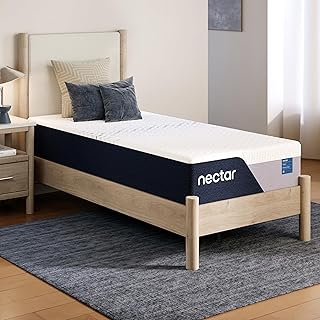
Nectar 12″ Twin Memory Foam
Nectar’s foam has a slow, deliberate response that suits stationary side sleepers, and the twin size makes it a sensible fit for a guest room or a lighter teen sleeper. The year-long trial reflects the reality that memory foam takes weeks to reveal itself.
Frequently Asked Questions
Is a hybrid or all-foam mattress better for lightweight side sleepers?
Both work, but hybrids tend to age better. Pocketed coils maintain shoulder-drop geometry over years, while all-foam beds like the Novilla Bliss offer deeper initial contour and quieter movement.
Will a soft mattress hurt my back?
Not at your weight. Back pain from soft surfaces happens when a heavier body sinks past the support layer. Under 130 pounds, a plush top usually improves spinal alignment on your side rather than compromising it.
Does bedroom lighting actually affect sleep quality?
Considerably. Bright, blue-heavy light within two hours of bed suppresses melatonin, so warm low-output bedside lamps on a dimmer will amplify whatever mattress you choose.
How long before a new mattress feels right?
Give it three to four weeks. Foams soften as they break in, and your body needs time to unlearn compensations from the old bed. Options like the Sayre 12 Inch and the extended trials above exist for exactly that reason.
Final Thoughts
If you want one recommendation, take the Soft Plush 12 Inch Hybrid — it’s purpose-built for the body weight and sleep position in question. Choose the Sleepmax 14 Inch if you share the bed with a heavier partner, or the Novilla Bliss if you prefer the enveloping quiet of all-foam. Then dim the lamps, and let the room finish the job.