Key takeaways
- Side sleepers: need the most give at shoulder and hip. Deeper foam or a generously filled pillow top keeps the spine from angling.
- Back sleepers: want fill that supports the lumbar curve without pushing the pelvis upward. Medium foam, moderate thickness.
- Stomach sleepers: are usually better served by firmer, thinner layers. Too much sink extends the lower back.
- Combination sleepers: benefit from responsive foam or fiber over slow-recovery memory foam, which can feel like it’s holding you in place.
What's inside
I spend my working life tuning the feel of rooms: where a lamp sits, how warm a bulb reads at 10pm, whether a ceiling fixture flattens a space or softens it. What surprises clients is how often the fix for a bedroom that “doesn’t feel restful” has nothing to do with light at all. It’s the bed. You can dim every fixture to candle level and still wake at 3am with a tight lower back, because the surface under you is doing the opposite of what your spine needs.
A mattress topper is the closest thing bedding has to a dimmer switch. It lets you adjust an existing mattress by a few degrees instead of replacing the whole thing. This guide walks through how support actually works for back pain, how thickness and density change the outcome, what sleep position does to the math, and how to avoid the heat trap that ruins most plush upgrades. Below are the picks I keep coming back to when clients ask.
Our Recommended Picks
As an Amazon Associate we earn from qualifying purchases.


Understand What Your Back Is Actually Asking For
Back pain at night usually comes from one of two failures. Either the surface is too firm and your hips and shoulders can’t sink enough to let the spine stay neutral, or it’s too soft and your midsection drops into a hammock shape. A topper can only solve the first problem well. If your mattress has a visible dip or a broken support core, no amount of foam on top will re-level it, and stacking plush material over a sag tends to deepen the trough. Press along the mattress with your palm first. Even resistance means a topper is a fair bet.
Thickness And Density: The Two Dials That Matter
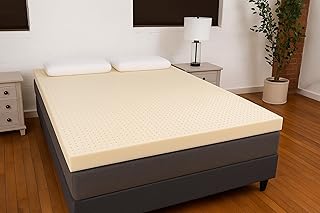
Thickness sets how much room you have to sink; density decides whether that sink turns into support or collapse. A 2 to 3 inch high-density memory foam layer, like the ViscoSoft 3 Inch with its removable bamboo-rayon cover, gives contouring without losing the mattress underneath. Go thicker, 4 to 5 inches, and you’re changing the character of the bed entirely. The SHOUREN 5 Inch gel foam and the WhatsBedding 5 Inch both sit in that territory, which suits people on firm or old-but-solid mattresses who want a genuine reset rather than a nudge.
Foam Or Fiberfill? They Solve Different Problems
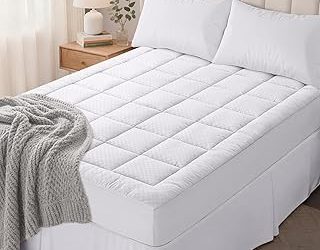
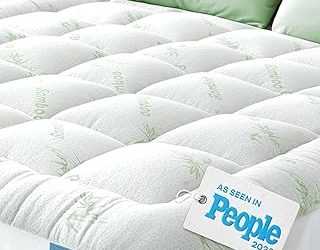
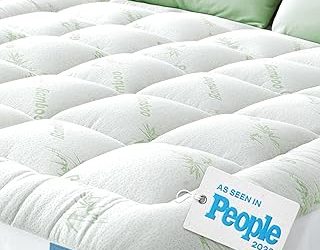
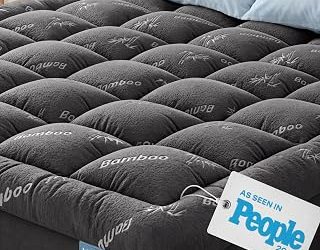
Memory foam and pillow-top fiber pads get shelved together, but they behave nothing alike. Foam redistributes weight and holds a shape, which is what lumbar support depends on. Fiberfill pads such as the ELEMUSE overfilled pillowtop, the BEDLORE viscose bamboo topper, or the Niagara Sleep Solution bamboo pillow top add cushion at the very surface, easing pressure points and hip soreness on a mattress that’s already supportive enough. If your pain is stiffness and surface ache, fiberfill often feels better. If it’s alignment, foam is the honest answer.
Match It To How You Sleep
- Side sleepers: need the most give at shoulder and hip. Deeper foam or a generously filled pillow top keeps the spine from angling.
- Back sleepers: want fill that supports the lumbar curve without pushing the pelvis upward. Medium foam, moderate thickness.
- Stomach sleepers: are usually better served by firmer, thinner layers. Too much sink extends the lower back.
- Combination sleepers: benefit from responsive foam or fiber over slow-recovery memory foam, which can feel like it’s holding you in place.
Heat Is The Detail Most People Miss
Color temperature makes a room feel warm or cool; material choice does the same for a bed, only physically. Dense foam traps body heat, and waking up hot fragments sleep in ways that read as pain the next morning. Gel infusions help. Breathable covers help more. The bamboo-derived rayon shells on the Niagara and BEDLORE toppers move moisture better than polyester, and ViscoSoft’s removable cover has the added benefit of washability.
Tips
- Measure your mattress depth before buying. Skirts vary widely, from stretch pockets fitting 6 to 18 inches up to 20 inch deep-pocket designs.
- Give any foam topper a full two weeks. Your back adapts slowly, and first-night impressions are unreliable.
- Unbox foam in a ventilated room for 24 to 48 hours so off-gassing finishes before it meets your sheets.
- If the topper slides, look for anchor straps rather than adding a tighter sheet, which compresses the fill and cancels the cushion.
Frequently Asked Questions
Can a topper replace a new mattress?
It can buy you a few years if the mattress core is intact. It cannot restore a bed with broken springs, permanent body impressions, or edge collapse.
Is firmer always better for back pain?
No. Research has moved away from that idea. Medium-firm surfaces that allow controlled sinking tend to produce better outcomes than rigid ones.
How thick should I go for lower back pain?
Three inches of supportive foam is a reliable starting point. Move to four or five only if your mattress feels punishingly firm.
Do fiberfill toppers flatten out?
They compress over time, yes. Rotating the pad and fluffing it periodically extends its life considerably, often to several years.
Conclusion
Treat the topper as one adjustable layer in a bedroom you’re tuning as a whole. Get the support right first, keep the surface cool enough to stay asleep, then let the lighting and the rest of the room do their quieter work. A well-chosen topper won’t cure a structural back problem, but it can stop your bed from being the thing that aggravates one.