Key takeaways
- Thermal behavior: A warm-dimmed bedroom already sits a degree or two above a cool-lit one because of occupancy and fixture heat. Gel-infused or open-cell foams and pocket-spring cores move air through the mattress instead of trapping it, which matters most in the first hour after lights-out when core temperature needs to drop.
- Height and sightlines: An 8-inch profile keeps the bed low and reads well under wall-washing or cove lighting. A 12-inch build sits higher, casts a longer shadow, and suits rooms lit from bedside lamps rather than from above.
- Motion isolation: Individually pocketed springs and dense comfort layers absorb movement locally. This is the single most useful feature in a shared bed where one person stays up with a reading light.
- Edge support: Reinforced perimeters hold their shape when you sit to put on shoes and give a reliable landing point when the room is dark. Weak edges collapse and make night navigation unsteady.
- Materials transparency: Look for CertiPUR-US certified foam and explicit fiberglass-free construction. Both reduce off-gassing concerns and remove the risk of glass fiber release if a cover is ever removed.
What's inside
Anyone who designs rooms for a living learns the bedroom last, because the bedroom resists everything a designer normally reaches for. You can dim the sconces to 1800K, hide the drivers, and put every fixture on a decay curve that mimics dusk, and the room will still fail if the bed underneath it runs hot, sags at the perimeter, or transmits every shift of a partner’s weight across the surface. Lighting sets the invitation. The mattress decides whether the body accepts it. Buyers rarely get to test both together, which is why a compressed mattress arriving by courier feels like such a gamble: it shows up as a dense cylinder, expands over a day or two, and only reveals its real character once the lamps are low and the room is quiet.
This guide approaches boxed mattresses the way I approach a lighting plan for a sleeping space: as a system that either supports the body’s wind-down or interrupts it. We look at surface temperature and how it interacts with a warm, low-lux room, at motion isolation for households where one person reads by a bedside lamp while the other is already asleep, at edge support for anyone navigating a dark room, and at the certifications worth checking before anything comes out of the plastic. Below are six current picks, followed by the criteria I use and answers to the questions that come up most often.
As an Amazon Associate we earn from qualifying purchases.


How to Choose a Mattress Delivered In A Box (2026)
- Thermal behavior: A warm-dimmed bedroom already sits a degree or two above a cool-lit one because of occupancy and fixture heat. Gel-infused or open-cell foams and pocket-spring cores move air through the mattress instead of trapping it, which matters most in the first hour after lights-out when core temperature needs to drop.
- Height and sightlines: An 8-inch profile keeps the bed low and reads well under wall-washing or cove lighting. A 12-inch build sits higher, casts a longer shadow, and suits rooms lit from bedside lamps rather than from above.
- Motion isolation: Individually pocketed springs and dense comfort layers absorb movement locally. This is the single most useful feature in a shared bed where one person stays up with a reading light.
- Edge support: Reinforced perimeters hold their shape when you sit to put on shoes and give a reliable landing point when the room is dark. Weak edges collapse and make night navigation unsteady.
- Materials transparency: Look for CertiPUR-US certified foam and explicit fiberglass-free construction. Both reduce off-gassing concerns and remove the risk of glass fiber release if a cover is ever removed.
The Best Mattresses in a Box, Reviewed
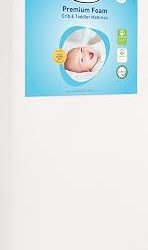
EGOHOME 8-Inch Green Tea Memory Foam, Full
The slimmest option here and the most sympathetic to low-profile beds and floor-adjacent frames. The green tea gel infusion gives it a neutral, faintly cool surface feel, and the medium-firm all-foam build delivers steady pressure relief without the height that makes a full-size bed dominate a small room.
12-Inch Queen Hybrid with Pocket Springs and Memory Foam
A straightforward hybrid that gets the fundamentals right: memory foam over individually wrapped coils, tuned medium-firm. The spring layer keeps airflow moving through the core, so the surface recovers its temperature quickly rather than holding warmth from the previous position.
Novilla 12-Inch Gel Memory Foam Queen
The most contouring surface on this list, and the best choice for side sleepers who want the mattress to close around the shoulder and hip. Gel infusion offsets the heat retention all-foam builds are prone to, though it still sleeps warmer than the spring-based options.
12-Inch Queen Hybrid with Cool Sleep Technology
Pocket springs paired with CertiPUR-US certified foam and a cover engineered for heat dispersion. It is the pick for genuinely warm bedrooms, particularly south-facing rooms that hold afternoon solar gain into the evening.
12-Inch Queen Hybrid Pillow Top with Gel and Pocket Springs
The plushest surface with the strongest perimeter, which is an unusual and useful combination. The pillow top softens initial contact while the reinforced edges and coil layer keep the sitting surface stable and the movement contained.
Frequently Asked Questions
How long before the mattress is ready to sleep on?
Most expand to usable shape in four to six hours and reach full loft within 48 to 72 hours. Unbox in a ventilated room and give it a full day before judging the firmness.
Does foam or hybrid sleep cooler?
Hybrids, consistently. The coil layer creates vertical air channels that all-foam beds cannot replicate, even with gel infusion.
Do these need a box spring?
No. A solid platform or a slatted frame with gaps under three inches is sufficient and better for airflow.
Why does fiberglass-free construction matter?
Some mattresses use fiberglass as a flame barrier, which can release fibers if the cover is unzipped. Fiberglass-free builds remove that risk entirely.
Final Thoughts
For most bedrooms, the 12-inch queen hybrid with Cool Sleep Technology is the safest choice, balancing temperature control against materials transparency. Choose the pillow-top hybrid if you want a softer landing with a dependable perimeter, or the EGOHOME 8-inch green tea foam if a low profile and a calm, uncluttered sightline matter more than plushness.