Key takeaways
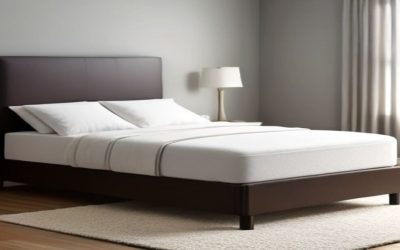
- Deck height and bedside geometry: Total stack height determines where your nightstand lamp shade sits relative to your eyes. A 12-inch mattress on a low platform reads very differently from a 9-inch mattress over a box spring. Measure the finished sleep-surface height before you commit to lamps or sconces, because a mismatch of three inches puts a bare bulb in your field of view.
- Motion isolation over spring count: Marketing loves coil totals. What matters is whether individually pocketed springs move independently. A partner shifting at 2 a.m. should not register on your side of the bed, and zoned pocket systems handle that far better than interconnected units.
- Thermal behavior: Warm ambient lighting is inviting; a warm mattress is not. Look for breathable covers, open-cell or gel-infused foam, and airflow through the coil layer. Heat retention is the single most common complaint I hear from clients who otherwise love their setup.
- Materials transparency: CertiPUR-US certification on the foam and an explicitly fiberglass-free construction are non-negotiable in 2026. Fiberglass fire barriers create genuine problems if a cover ever tears, and there are enough alternatives now that you shouldn’t compromise.
- Edge support and surface finish: Reinforced perimeters keep the mattress reading as a clean rectangle rather than slumping at the sides — which matters visually as much as functionally, since raking light across a sagging edge exaggerates it. Matte quilted covers also diffuse light more gracefully than slick synthetics.
What's inside
I spend my working life tuning bedrooms with light — dimming curves, 2200K bedside glow, sconce heights measured to the inch. And the thing I’ve learned after enough installs is that lighting can only carry a room so far. You can dial an entire suite down to candlelight warmth, and if the sleep surface underneath sags, telegraphs every movement, or runs hot at 3 a.m., the ambience collapses. The bed is the anchor of the whole scheme. Everything I design radiates outward from its height, its mass, and how still it stays.
This guide looks at mattress and box spring sets, and complete hybrid mattresses, the same way I’d assess a fixture before specifying it: proportion, behavior under real conditions, and how it plays with the rest of the room. Below you’ll find picks that hold their loft, keep bedside sightlines correct, and stay quiet enough that a room designed for rest actually delivers it.
As an Amazon Associate we earn from qualifying purchases.



How to Choose a Mattress And Box Spring Set (2026)
- Deck height and bedside geometry: Total stack height determines where your nightstand lamp shade sits relative to your eyes. A 12-inch mattress on a low platform reads very differently from a 9-inch mattress over a box spring. Measure the finished sleep-surface height before you commit to lamps or sconces, because a mismatch of three inches puts a bare bulb in your field of view.
- Motion isolation over spring count: Marketing loves coil totals. What matters is whether individually pocketed springs move independently. A partner shifting at 2 a.m. should not register on your side of the bed, and zoned pocket systems handle that far better than interconnected units.
- Thermal behavior: Warm ambient lighting is inviting; a warm mattress is not. Look for breathable covers, open-cell or gel-infused foam, and airflow through the coil layer. Heat retention is the single most common complaint I hear from clients who otherwise love their setup.
- Materials transparency: CertiPUR-US certification on the foam and an explicitly fiberglass-free construction are non-negotiable in 2026. Fiberglass fire barriers create genuine problems if a cover ever tears, and there are enough alternatives now that you shouldn’t compromise.
- Edge support and surface finish: Reinforced perimeters keep the mattress reading as a clean rectangle rather than slumping at the sides — which matters visually as much as functionally, since raking light across a sagging edge exaggerates it. Matte quilted covers also diffuse light more gracefully than slick synthetics.
The Best Mattress And Box Spring Set (2026)s Reviewed
12-Inch Queen Hybrid with CertiPUR-US Foam and Cool Sleep Technology
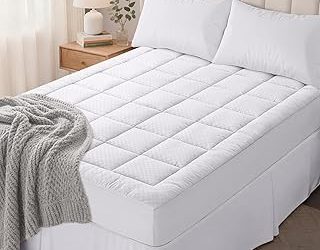
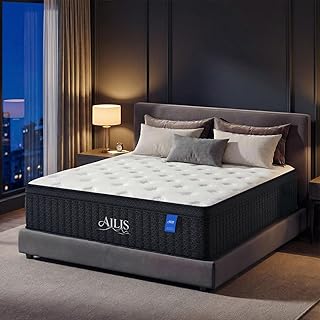
A well-balanced 12-inch hybrid that pairs pocketed springs with certified, fiberglass-free foam and genuine cooling construction rather than a cooling claim printed on the tag. At 80″ x 60″ it fits standard queen frames cleanly, and the 12-inch loft puts the sleep surface at a height that works with most nightstand lamps without shade adjustment.
Ailis 12-Inch Queen Hybrid Mattress
The upgraded pocket spring system here is the standout — motion isolation is genuinely strong, which makes this my default recommendation for couples with mismatched schedules. Firm perimeter support also means the mattress keeps its shape at the edges, so the bed stays visually crisp under directional light.
12″ Queen Hybrid Memory Foam Mattress in a Box
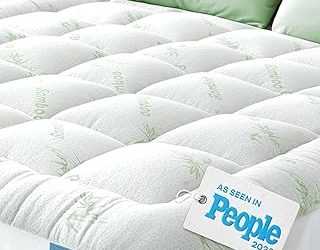
This one leans into pressure relief, with a memory foam comfort layer over pocketed coils that suits back-pain sufferers and side sleepers who need shoulder and hip accommodation. Medium-firm calibration, quiet under movement, and fiberglass-free throughout.
12-Inch Queen Zoned Pocket Spring Hybrid
Zoned support is the meaningful upgrade in this category — firmer coils under the lumbar region, softer through the shoulders. Combined with CertiPUR-US foam and a fiberglass-free build, it’s the most technically considered option in the group for anyone who wakes up with lower-back complaints.
Chiro Premier Orthopedic Full Mattress and Box Spring Set
The only true two-piece set in this lineup, arriving fully assembled with a flippable, two-sided orthopedic build. At 9 inches over a box spring it sits lower and reads more traditional — a good fit for guest rooms, taller bed frames, and interiors where a classic silhouette suits the room better than a modern low platform.
Frequently Asked Questions
Do I still need a box spring in 2026?
Only if your frame requires one. Slatted platform beds support hybrid mattresses directly, and adding a box spring underneath simply raises the deck. Traditional metal frames, however, do need that support layer, and a matched set like the Chiro Premier removes the guesswork.
How does mattress height affect my bedside lighting?
Significantly. Aim for the bottom of your lamp shade to sit at or just above seated eye level when you’re in bed. A 12-inch mattress on a platform typically lands around 24 to 26 inches; a 9-inch mattress on a box spring can push past 30. Choose the mattress first, then the lamp.
How long does a boxed mattress take to expand?
Most reach usable firmness within a few hours and full loft in 24 to 72 hours. Unbox in a ventilated room and give it a day before judging the feel.
Is medium-firm right for most people?
It’s the safest default, particularly for back and combination sleepers. Dedicated side sleepers often want more give at the shoulder, which is where memory foam comfort layers over pocketed coils earn their place.
Final Thoughts
If you’re building a modern bedroom around a platform frame, the Ailis 12-Inch Queen Hybrid is the most complete package here — quiet, well-edged, and dependable. The Zoned Pocket Spring Hybrid is my pick for anyone managing back pain, and if your frame calls for a genuine two-piece set or your room wants a more traditional profile, the Chiro Premier Orthopedic set delivers that with a flippable build that should outlast the lighting scheme you design around it.