Key takeaways
- Profile depth: Look for 12 to 14 inches. A side sleeper needs enough material above the support core for the shoulder to sink without bottoming out — thin builds run out of give exactly where you need it.
- Feel, not firmness numbers: Medium to medium-firm is the working range. Too soft and your spine sags into a hammock; too firm and your shoulder gets levered upward, twisting the neck.
- Zoned support: Five-zone and targeted-zone constructions soften at the shoulder and reinforce the middle. This is the single most useful feature for people who sleep on their side all night.
- Heat management: Side sleeping means more surface contact and more trapped warmth. Gel infusions, open-cell foams, and hybrid coil layers that let air move all help — a cool core temperature is what lets a dark room actually do its job.
- Trial window and certification: Your body takes three to four weeks to adapt. A 365-night trial and CertiPUR-US certified foams mean you can commit slowly and breathe easily while you do.
What's inside
I spend my working life shaping bedrooms with light — dimming curves that fall off after sunset, warm low-level sconces at 2200K, blackout layers that hold a room at true dark until morning. And I keep running into the same wall with clients. We get the room feeling like a cave at 10pm, and they still wake at 3am, rolling onto their back, shoulder aching. No lighting plan survives a mattress that pushes back against a side sleeper’s hip.
Side sleeping concentrates your body weight into two narrow zones instead of spreading it across your back, so the surface has to yield at the shoulder and hip while still holding the waist and lumbar curve. This guide covers the warehouse-value and bed-in-a-box models worth considering in 2026, what actually matters in the spec sheet, and how the bed interacts with the rest of your sleep environment.
As an Amazon Associate we earn from qualifying purchases.


How to Choose a Costco Mattress For Side Sleepers (2026)
- Profile depth: Look for 12 to 14 inches. A side sleeper needs enough material above the support core for the shoulder to sink without bottoming out — thin builds run out of give exactly where you need it.
- Feel, not firmness numbers: Medium to medium-firm is the working range. Too soft and your spine sags into a hammock; too firm and your shoulder gets levered upward, twisting the neck.
- Zoned support: Five-zone and targeted-zone constructions soften at the shoulder and reinforce the middle. This is the single most useful feature for people who sleep on their side all night.
- Heat management: Side sleeping means more surface contact and more trapped warmth. Gel infusions, open-cell foams, and hybrid coil layers that let air move all help — a cool core temperature is what lets a dark room actually do its job.
- Trial window and certification: Your body takes three to four weeks to adapt. A 365-night trial and CertiPUR-US certified foams mean you can commit slowly and breathe easily while you do.
The Best Costco Mattress For Side Sleepers (2026)s Reviewed
Sleepmax 14″ Queen Hybrid
The pocketed coil base gives this one a responsiveness that pure foam can’t match, so changing sides doesn’t require pushing yourself out of a divot. Pressure relief at the shoulder is genuinely well judged, and the 365-night trial and fiberglass-free build make it an easy first recommendation for queen buyers.
Sleepmax 14″ King Hybrid
Same architecture scaled up, and the extra width matters more than people expect: side sleepers migrate across the bed, and a king gives you room to do it without meeting your partner’s elbow. Motion isolation from the individually wrapped coils is the quiet standout here.
Nectar 12″ Memory Foam King
A medium-firm all-foam build with slow, deliberate contouring — the closest thing to a room settling into dusk rather than snapping to black. It suits side sleepers who want to feel held rather than lifted, though heavier sleepers may prefer the extra pushback of a hybrid.
Cool Gel Chill 14″ Memory Foam King
Built for people who sleep hot, with gel-infused foam doing real work across a generous 14-inch profile. The plush upper layers cradle a shoulder well; expect a softer overall feel than the hybrids on this list.
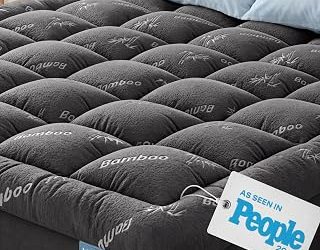
Sweetnight CoolNest 14″ King
The five-zone ergonomic layout is the reason this one earns its place — it softens precisely where a side sleeper’s shoulder lands and firms up under the lumbar. Breathability is strong, and the medium feel splits the difference for couples with different preferences.
Frequently Asked Questions
Is softer always better for side sleepers?
No. Softness lets the shoulder sink, but without a supportive core underneath, your midsection drops and your spine bends laterally all night. Medium to medium-firm with zoned upper layers beats plush-everywhere almost every time.
Should I choose foam or hybrid?
Hybrids offer easier repositioning, better edge support, and more airflow. All-foam models like the Nectar give deeper contouring and near-total motion isolation. Restless side sleepers usually prefer hybrids.
How long before it feels right?
Give it 30 nights minimum. New foam is firmer than settled foam, and your body needs time to unlearn compensations from your old bed. This is why long trials matter.
Does the rest of the room affect sleep quality?
Considerably. Dim to warm tones after sunset, keep fixtures below eye level, and block stray light at the window. A well-chosen mattress plus a properly dark, cool room is where good sleep actually happens.
Final Thoughts
For most side sleepers, the Sleepmax 14″ Hybrid is the best-balanced pick in either queen or king — responsive, cool, and forgiving at the shoulder. Choose the Sweetnight CoolNest if zoned support and airflow are your priorities, or the Nectar 12″ if you want that slow, enveloping memory foam feel. Then dim the room properly and let the bed do the rest.