Key takeaways
- Pressure Relief at the Shoulders: Side sleepers need a top layer that yields under the shoulder joint without collapsing. Look for medium-plush to medium-firm comfort layers — typically 3 to 4 inches of memory foam or latex — that distribute weight laterally rather than pushing back upward.
- Spine Alignment Through the Waist: A mattress that sags at the hips will tilt your spine downhill. Hybrid designs with zoned pocketed coils keep the midsection elevated while still cradling the shoulder and knee, maintaining a neutral spinal line from crown to tailbone.
- Cooling and Airflow: Body heat pools along the side that contacts the mattress most. Gel-infused foams, copper-infused covers, and coil architectures that promote cross-ventilation all help regulate surface temperature. CertiPUR-US certification ensures the foams used meet low-emission standards, which also means fewer off-gassing odors warming up your room.
- Firmness Rating: Most side sleepers between 130 and 230 pounds sleep best on a medium to medium-plush surface (roughly a 4 to 6 on the 10-point firmness scale). Heavier individuals may want medium-firm to prevent excessive sinkage, while lighter sleepers often prefer softer options that still engage the comfort layers.
- Trial Period and Warranty Length: Your body takes 30 to 60 days to fully adjust to a new sleep surface. A 100-night trial is the minimum; 365-night trials are ideal. Pair that with at least a 10-year warranty so manufacturing defects in foam density or coil integrity stay covered long after the break-in window closes.
What's inside
Side sleepers put unique stress on shoulders and hips, and the wrong mattress turns those pressure points into reasons to dread bedtime. A mattress that looks plush online can feel like a concrete slab once your body settles in for the night, while something marketed as “firm” may contour perfectly around the curves that side sleeping demands. The gap between marketing language and actual sleep experience is where most buyers get burned.
As someone who designs bedroom lighting and sleep environments for a living, I think about the full sensory picture — how a mattress works with temperature, room light, and the body’s own rhythms. This guide breaks down the best Simmons-era mattresses and comparable hybrids for side sleepers in 2026, evaluating pressure relief, cooling performance, edge support, and the kind of subtle contouring that lets you fall asleep faster and stay there longer.
As an Amazon Associate we earn from qualifying purchases.




How to Choose a Simmons Mattress For Side Sleepers (2026)
- Pressure Relief at the Shoulders: Side sleepers need a top layer that yields under the shoulder joint without collapsing. Look for medium-plush to medium-firm comfort layers — typically 3 to 4 inches of memory foam or latex — that distribute weight laterally rather than pushing back upward.
- Spine Alignment Through the Waist: A mattress that sags at the hips will tilt your spine downhill. Hybrid designs with zoned pocketed coils keep the midsection elevated while still cradling the shoulder and knee, maintaining a neutral spinal line from crown to tailbone.
- Cooling and Airflow: Body heat pools along the side that contacts the mattress most. Gel-infused foams, copper-infused covers, and coil architectures that promote cross-ventilation all help regulate surface temperature. CertiPUR-US certification ensures the foams used meet low-emission standards, which also means fewer off-gassing odors warming up your room.
- Firmness Rating: Most side sleepers between 130 and 230 pounds sleep best on a medium to medium-plush surface (roughly a 4 to 6 on the 10-point firmness scale). Heavier individuals may want medium-firm to prevent excessive sinkage, while lighter sleepers often prefer softer options that still engage the comfort layers.
- Trial Period and Warranty Length: Your body takes 30 to 60 days to fully adjust to a new sleep surface. A 100-night trial is the minimum; 365-night trials are ideal. Pair that with at least a 10-year warranty so manufacturing defects in foam density or coil integrity stay covered long after the break-in window closes.
The Best Simmons Mattress For Side Sleepers (2026) Reviewed
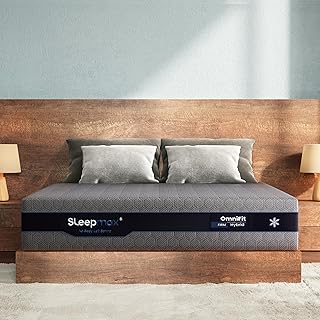
Sleepmax Enhanced Deep Sleep Hybrid 14″
This hybrid layers cooling gel memory foam over a pocketed-coil base to create a surface that hugs the shoulder and hip without trapping heat — exactly the balance side sleepers need. The 14-inch profile gives the comfort layers enough depth to contour rather than bottom out, and the 365-night trial removes the urgency of a hasty verdict.
Beautyrest World Class Level Four Plush
At 15.25 inches with a plush comfort designation, the Level Four is the most generous pillow-top option in this roundup. The extra loft means your shoulder sinks in naturally while coils underneath keep the hips elevated, producing a gentle lateral curve through the spine that side sleepers will feel within the first week.
Sleepmax Firm Hybrid 12″
The Firm 12-inch Sleepmax defies the assumption that side sleepers must go soft. Its ergonomic foam layers compress enough at peak pressure points to relieve joints, while the firmer overall feel suits heavier side sleepers or anyone transitioning from an innerspring who isn’t ready for deep sinkage. The forever warranty is a standout at this price tier.
Beautyrest World Class Level Three Medium Firm
The Level Three splits the difference between plush and firm at 14.5 inches, landing in the sweet spot for side sleepers who share a bed with a back or stomach sleeper. Edge support is reinforced, so the usable sleep surface extends right to the perimeter — a detail that matters when two people need their own pressure zones.
Serta Perfect Sleeper Ultimate Firm Pillow Top
Serta’s pillow-top construction pairs a firm supportive core with a cushioned surface layer, offering the kind of contradiction that actually works: resistance beneath, softness on top. The edge support system here is notably robust for a pillow-top design, keeping you from rolling off when you shift positions during the night.
Frequently Asked Questions
What firmness is best for side sleepers?
Most side sleepers do well on a medium to medium-plush mattress. The comfort layer needs enough give to cushion the shoulder and hip, but the support core must prevent the hips from sinking too far and misaligning the spine. If you weigh over 230 pounds, lean toward medium-firm to maintain proper alignment.
How long does it take to break in a new mattress?
Expect 30 to 60 days before your body fully adjusts and the foams reach their intended feel. During the first two weeks, the mattress may feel firmer than advertised as the materials haven’t yet loosened. This is why a long trial period matters — don’t judge a mattress by its first impression.
Do hybrid mattresses sleep cooler than all-foam?
Generally, yes. The coil layer in a hybrid creates open channels for air to circulate beneath the foam, which pulls heat away from the body more efficiently than a solid foam core. Gel-infused or open-cell foam tops further improve airflow at the surface where your body makes the most contact.
Are CertiPUR-US certified foams safer?
CertiPUR-US certification means the foam is made without ozone depleters, formaldehyde, heavy metals, or prohibited phthalates, and meets strict limits on volatile organic compound emissions. It doesn’t guarantee a mattress is “safe” in every sense, but it does remove the most common chemical concerns associated with polyurethane foams.
Final Thoughts
For most side sleepers seeking a reliable balance of contour and support, the Sleepmax Enhanced Deep Sleep Hybrid 14″ offers the best all-around package with its generous trial and cooling construction. Shoppers who want a plush, cloud-like feel should look at the Beautyrest World Class Level Four Plush, while those who prefer a firmer foundation without sacrificing shoulder relief will find the Sleepmax Firm 12″ hard to beat.