Key takeaways
- Verify the certifications, not the adjective: “Organic” is unregulated as a mattress descriptor. Look for GOTS for cotton and wool, GOLS for latex, and MADE SAFE or GREENGUARD Gold for whole-product screening. Partial certification is fine, but the brand should tell you which layers are covered.
- Separate firmness from support: Firmness is the surface feel; support is whether your hips and lumbar stay in line. A mattress can feel firm and still allow a heavy pelvis to sink. Zoned pocketed coils deliver support without cranking up overall hardness.
- Ask what replaced the fiberglass: Wool is a natural flame barrier and the cleanest solution. If a listing says fiberglass-free but omits the alternative, ask before ordering, and never unzip a mattress cover to find out.
- Plan for off-gassing in a sealed room: Bedrooms are typically the least ventilated space in a home and are occupied for a third of the day. Latex and wool builds settle within days; CertiPUR-US foams are tested for emissions but still benefit from a week of airflow before the room returns to normal use.
- Check height against your bed frame and sheets: Fourteen inches of mattress on a tall platform pushes the sleeping surface above nightstand and sconce height, which throws off both the proportions of the room and your reading light. Measure before you buy deep-pocket sheets.
What's inside
In lighting work, the last hour of the day gets the most attention: lamps dimmed to a low amber, overheads off, contrast pulled down until the room stops asking anything of you. Then people climb into a mattress that fights them all night, and the whole carefully tuned scene collapses. A bed is the largest object in the room and the one your body reads most directly. If it sags, sleeps hot, or exhales a chemical haze into a closed, dark space for six months, no amount of warm light will rescue the effect.
This guide looks at firm organic mattresses through that same lens: materials you would be comfortable breathing beside, support that holds its line under load, and construction honest enough to disclose what is inside. Below are the standout options for 2026, plus the specifications worth checking before you commit.
As an Amazon Associate we earn from qualifying purchases.



How to Choose a Firm Organic Mattress (2026)
- Verify the certifications, not the adjective: “Organic” is unregulated as a mattress descriptor. Look for GOTS for cotton and wool, GOLS for latex, and MADE SAFE or GREENGUARD Gold for whole-product screening. Partial certification is fine, but the brand should tell you which layers are covered.
- Separate firmness from support: Firmness is the surface feel; support is whether your hips and lumbar stay in line. A mattress can feel firm and still allow a heavy pelvis to sink. Zoned pocketed coils deliver support without cranking up overall hardness.
- Ask what replaced the fiberglass: Wool is a natural flame barrier and the cleanest solution. If a listing says fiberglass-free but omits the alternative, ask before ordering, and never unzip a mattress cover to find out.
- Plan for off-gassing in a sealed room: Bedrooms are typically the least ventilated space in a home and are occupied for a third of the day. Latex and wool builds settle within days; CertiPUR-US foams are tested for emissions but still benefit from a week of airflow before the room returns to normal use.
- Check height against your bed frame and sheets: Fourteen inches of mattress on a tall platform pushes the sleeping surface above nightstand and sconce height, which throws off both the proportions of the room and your reading light. Measure before you buy deep-pocket sheets.
The Best Firm Organic Mattresses (2026) Reviewed
Ethical Mattress CO 10-Inch Organic Hybrid
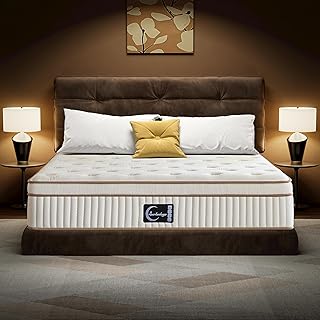
This is the cleanest material story in the roundup: organic cotton, wool, latex, and pocketed coils, assembled in the USA with no polyurethane fillers. At ten inches it sits low and even, which suits low-profile platform beds and rooms where you want the eye to travel across the space rather than over a mattress wall.
Naturepedic Serenade Organic Luxury (Firm)
Naturepedic builds to a certification standard rather than a price point, and the Serenade shows it in the firm configuration: a genuinely flat, resilient surface with encased coils that keep edge-to-edge tension. It is the pick for back and stomach sleepers who want firmness without the dead, unresponsive feel of dense foam.
Naturepedic Verse Organic Kids Mattress (Twin XL, Firm)
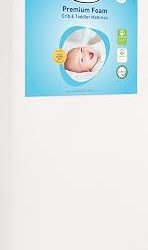
Children’s rooms need the strictest material scrutiny and the least fuss, and the Verse handles both with encased coil layers and quilted sides that hold shape through years of use. The firm surface also suits guest rooms and bunk setups where a thin, supportive profile matters more than plushness.
Organic Mattress Queen 14-Inch Gel Hybrid
A medium-to-firm build with gel foam and reinforced edges, aimed squarely at hot sleepers who still want organic cover materials. The enhanced perimeter is the quiet advantage here: sitting on the edge to put on shoes will not create a permanent dip.
BedStory Firm 13-Inch Hybrid
Zoned lumbar support makes this the value choice for back pain, with a firmer feel than the 13-inch height suggests. A 365-night trial and ten-year warranty give you a full seasonal cycle to judge it, which is more useful than any showroom test.
Frequently Asked Questions
Is any mattress fully organic?
Almost none. Coils are steel, zippers are synthetic, and adhesives vary. The meaningful question is whether the fiber and comfort layers carry GOTS or GOLS certification and whether the flame barrier is wool rather than chemical or fiberglass.
Will a firm mattress soften over time?
Slightly. Wool compresses and latex breaks in over the first two months, typically settling one step softer than day one, then holding steady. Buy at the firmness you want to live with, not firmer.
Do wool and latex sleep hot?
No. Wool regulates moisture better than most engineered fabrics, and latex has an open cell structure that moves air. Heat complaints usually trace back to thick memory foam comfort layers or a mattress protector with a plastic membrane.
Does an organic mattress need a specific foundation?
Slats no more than three inches apart, or a solid platform. Wide gaps let latex and coils flex unevenly and will void most warranties.
Final Thoughts
For the purest materials in a low, well-proportioned profile, the Ethical Mattress CO 10-inch organic hybrid is the one to beat. The Naturepedic Serenade earns the upgrade if you want certified construction with genuine firm support, and the BedStory 13-inch hybrid delivers zoned lumbar relief with a year-long trial to prove itself.