Key takeaways
- Firmness with a soft top layer: Aim for medium-firm to firm. The support core keeps your pelvis from dropping when you’re face-down; a modest comfort layer above it absorbs shoulder and hip pressure when you turn onto your side. A uniformly plush bed will fail the stomach half of the equation every time.
- Zoned lumbar reinforcement: Look for beds that firm up specifically through the middle third. Zoned coils or targeted foam density keep your spine closer to neutral regardless of which position you land in, which is the whole point for back pain.
- Pocketed coils over connected springs: Individually wrapped coils respond point-by-point, contouring at the shoulder while staying rigid under the hips. They also cut motion transfer, so a partner’s turning doesn’t wake you into a bad position.
- Thickness matched to body weight: 12 to 14 inches suits most adults. Heavier sleepers should favor the taller builds with reinforced perimeters; lighter sleepers often find 12 inches plenty and may find very firm 14-inch models unforgiving.
- A trial long enough to matter: Chronic back pain doesn’t resolve in a week. A 365-night trial gives your body a real adjustment window, and CertiPUR-US plus fiberglass-free construction is the baseline I’d insist on for anything you breathe next to nightly.
What's inside
I spend my working life dimming rooms for sleep — calibrating color temperature, killing glare, layering a bedroom so the last hour before bed actually reads as night. And after enough installs, a pattern emerges: the clients who still wake up sore aren’t fighting their lighting. They’re fighting their mattress. Specifically, they’re combination sleepers who start on one side, roll onto their stomach around 2 a.m., and wake with a lumbar ache that no amount of 1800K bedside warmth will soothe. It’s a genuinely awkward brief. Side sleeping asks for give at the shoulder and hip; stomach sleeping punishes give at the waist, letting the pelvis sink and the lower back hyperextend into a shallow arch you hold for hours.
This guide treats the mattress the way I treat a lighting plan: as a system with zones, not a single setting. Below are six beds that manage the side-to-stomach handoff without collapsing at the midsection, chosen for firmness that holds the hips level, zoned or pocketed support through the lumbar band, and surface comfort that doesn’t force you awake to change position. You’ll also find the specs worth checking before you commit, and answers to the questions that come up most often once the box is unrolled.
As an Amazon Associate we earn from qualifying purchases.




How to Choose a Mattress For Side And Stomach Sleepers With Back Pain (2026)
- Firmness with a soft top layer: Aim for medium-firm to firm. The support core keeps your pelvis from dropping when you’re face-down; a modest comfort layer above it absorbs shoulder and hip pressure when you turn onto your side. A uniformly plush bed will fail the stomach half of the equation every time.
- Zoned lumbar reinforcement: Look for beds that firm up specifically through the middle third. Zoned coils or targeted foam density keep your spine closer to neutral regardless of which position you land in, which is the whole point for back pain.
- Pocketed coils over connected springs: Individually wrapped coils respond point-by-point, contouring at the shoulder while staying rigid under the hips. They also cut motion transfer, so a partner’s turning doesn’t wake you into a bad position.
- Thickness matched to body weight: 12 to 14 inches suits most adults. Heavier sleepers should favor the taller builds with reinforced perimeters; lighter sleepers often find 12 inches plenty and may find very firm 14-inch models unforgiving.
- A trial long enough to matter: Chronic back pain doesn’t resolve in a week. A 365-night trial gives your body a real adjustment window, and CertiPUR-US plus fiberglass-free construction is the baseline I’d insist on for anything you breathe next to nightly.
The Best Mattress For Side And Stomach Sleepers With Back Pain (2026)s Reviewed
BedStory Firm 13 Inch Hybrid
A properly firm hotel-style build with zoned lumbar support, this is the one I’d point stomach-dominant sleepers toward first — it keeps the pelvis from sinking while a quilted top takes the edge off side-lying shoulder pressure. The 365-night trial and 10-year warranty make the firmness gamble low-risk.
Sleepmax 14 Inch Hybrid
Built explicitly for the back-and-side crossover, the Sleepmax pairs a pressure-relieving comfort layer with a coil core that stays honest under the hips. Cooling construction and fiberglass-free certification round out a bed that punches above its category.
BedStory 14 Inch Firm Hybrid
Essentially the taller sibling of BedStory’s 13-inch model, with more support core to work with — a smart pick for heavier combination sleepers who bottom out on thinner beds. Made in the USA and CertiPUR-US certified, with the same generous trial window.
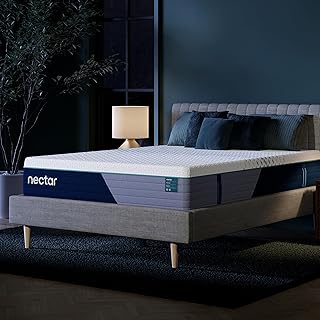
Nectar Premier 13″ Hybrid
Medium firm and the most forgiving option here, the Nectar Premier suits sleepers who spend most of the night on their side and only occasionally roll onto their stomach. The full-year trial is unusually confident for a bed at this comfort level.
EGOHOME 14 Inch Memory Foam
The all-foam choice for anyone who wants deep contouring without coil feel, held to a medium-firm spec that resists lumbar sag better than most memory foam. Copper gel and a graphene-cool cover address the heat retention that usually disqualifies foam for stomach sleepers.
Frequently Asked Questions
Is a firm mattress always better for back pain?
No. Research consistently favors medium-firm over rigidly firm for chronic low back pain. What matters is that your hips stay level with your shoulders — too soft lets the pelvis drop, too hard forces pressure into the shoulders and creates a gap under the lumbar curve.
How should I sleep if I’m a stomach sleeper with back pain?
Slide a thin pillow under your pelvis to reduce the arch in your lower back, and use a very low-loft pillow under your head or none at all. Over time, transitioning toward side sleeping with a pillow between the knees tends to help more than any mattress change alone.
How long until a new mattress stops making my back hurt?
Expect two to four weeks. Your body has adapted to your old bed’s flaws, and unwinding that takes time — which is exactly why a 365-night trial beats a 100-night one.
Do I need a specific foundation?
Hybrids and foam beds need continuous, closely spaced support. Slats more than three inches apart will let the mattress sag between them and void most warranties, so use a solid platform or add a bunkie board.
Final Thoughts
If your nights are mostly stomach-down, the BedStory Firm 13 Inch is the most direct fix here — it simply refuses to let your hips sink. Side-leaning combination sleepers will get more comfort per night from the Sleepmax 14 Inch, and anyone who wants foam’s cradling feel without the usual lumbar compromise should look at the EGOHOME 14 Inch. Pair any of them with a properly dimmed room and you’ve addressed both halves of the sleep equation.