Key takeaways
- Shoulder clearance over general softness: A side sleeper needs the surface to open up specifically where the shoulder lands, not go uniformly plush. Medium-feel Tempur foam does this well because it contours locally instead of collapsing across the whole panel — press your palm in and watch how narrow the depression stays.
- Thickness that matches your frame: Eleven inches of Tempur is generous for most builds, but heavier sleepers sink further and need more material beneath them before they reach the firm base. Under about 130 lb, you may find a thinner profile or a topper over a firmer core gives better articulation.
- Heat behavior, not just cooling claims: Tempur softens as it warms, so a bed that felt supportive at bedtime can feel deeper by early morning. Look for the cooling-treated covers in the current Adapt range if you sleep warm or your bedroom holds afternoon heat.
- Movement freedom versus contouring: Dense memory foam holds you in position, which suits sleepers who stay put and frustrates those who rotate through several positions a night. Hybrids with coil support let you reposition with less effort.
- Trial length as real evidence: Your body takes two to four weeks to recalibrate to a new surface. A 90-night window is workable; a 365-night trial removes the pressure to decide before your spine has adjusted.
What's inside
Side sleeping puts your shoulder and hip on the front line. All night, those two points carry the bulk of your body weight into a surface that either yields around them or pushes back. Push back too hard and you wake with a numb arm and an ache along the outer hip. Yield too much and your spine sags into a curve it never asked for. The trouble is that mattress shopping happens in a showroom under flat overhead light, in a five-minute trial, fully dressed — nothing like the conditions where the mattress actually has to work. I think about environments for a living: how a room’s light, temperature, and texture either invite the body to settle or keep it faintly alert. A bed is the most intimate part of that system, and the wrong one undoes every other choice you’ve made in the room.
This guide looks at Tempur-Pedic’s side-sleeper options alongside a few hybrids and toppers worth weighing against them. Tempur’s material is unusual — it was engineered to soften in response to body heat rather than pressure alone, which means it behaves differently at 2 a.m. than it does in a store. I’ll cover what to look for, how the current TEMPUR-Adapt line performs for shoulder and hip relief, when a topper makes more sense than a whole new mattress, and where a hybrid gives you something Tempur foam doesn’t. Below are the picks, followed by selection criteria and answers to the questions that come up most.
As an Amazon Associate we earn from qualifying purchases.


How to Choose a Tempur Mattress For Side Sleepers (2026)
- Shoulder clearance over general softness: A side sleeper needs the surface to open up specifically where the shoulder lands, not go uniformly plush. Medium-feel Tempur foam does this well because it contours locally instead of collapsing across the whole panel — press your palm in and watch how narrow the depression stays.
- Thickness that matches your frame: Eleven inches of Tempur is generous for most builds, but heavier sleepers sink further and need more material beneath them before they reach the firm base. Under about 130 lb, you may find a thinner profile or a topper over a firmer core gives better articulation.
- Heat behavior, not just cooling claims: Tempur softens as it warms, so a bed that felt supportive at bedtime can feel deeper by early morning. Look for the cooling-treated covers in the current Adapt range if you sleep warm or your bedroom holds afternoon heat.
- Movement freedom versus contouring: Dense memory foam holds you in position, which suits sleepers who stay put and frustrates those who rotate through several positions a night. Hybrids with coil support let you reposition with less effort.
- Trial length as real evidence: Your body takes two to four weeks to recalibrate to a new surface. A 90-night window is workable; a 365-night trial removes the pressure to decide before your spine has adjusted.
The Best Tempur Mattress For Side Sleepers (2026)s Reviewed
TEMPUR-Adapt 2.0 Medium 11″, Queen
This is the reference point for side sleepers in Tempur’s lineup — the medium feel lets the shoulder settle without letting the ribcage follow it down, keeping the spine reasonably level from neck to pelvis. The queen size gives couples enough width that neither person is negotiating around the other’s contour dip.
TEMPUR-Adapt 2.0 Medium 11″, Full
The same construction in a footprint that suits smaller bedrooms and single sleepers who want room to spread out. If you rotate between side and back through the night, the medium density handles both without forcing a compromise on either.
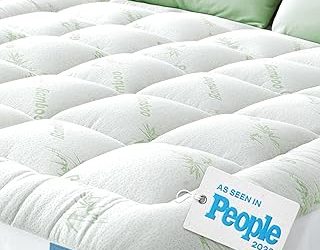
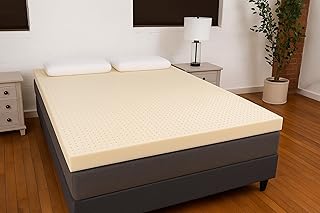
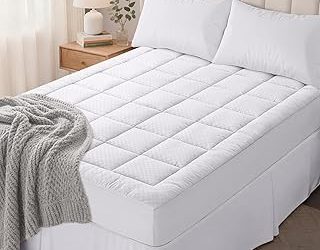
TEMPUR-Adapt + Cooling 3″ Topper, Queen
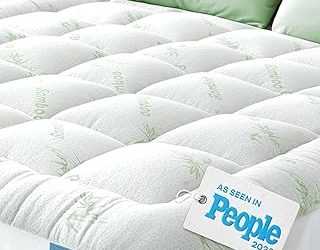
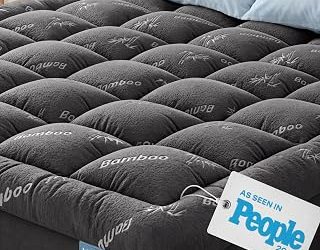
The most sensible route if your existing mattress is structurally sound but too firm at the shoulder — three inches is enough Tempur material to create genuine contouring rather than a cosmetic softening. The washable cover matters more than it sounds; toppers sit closer to you than the mattress does.
TEMPUR-Adapt + Cooling 3″ Topper, Full
Same material and cooling treatment in a full size, useful for guest rooms or for testing whether Tempur foam suits you before committing to a full mattress. Pair it with a firm base rather than an already-soft one, or you’ll lose the support layer entirely.
DreamCloud 12″ Hybrid, Queen
Worth considering if you want side-sleeper pressure relief with coil support underneath, which makes repositioning easier and keeps the surface from feeling enveloping. The 365-night trial gives you a full seasonal cycle to judge how it behaves in both summer and winter bedroom temperatures.
Frequently Asked Questions
Is medium firmness always right for side sleepers?
It’s the safest starting point, but body weight shifts the answer. Lighter sleepers often need something softer to get adequate shoulder clearance, while heavier sleepers may find medium bottoms out and prefer firmer support with a topper for surface comfort.
Does Tempur foam sleep hot?
Older Tempur formulations had a reputation for heat retention, and the current cooling-treated covers address it meaningfully rather than cosmetically. That said, any high-contact foam surface traps more heat than a coil hybrid — if you run warm, factor in your room’s ventilation and bedding weight too.
Topper or new mattress?
A topper solves a firmness problem; it can’t solve a support problem. If your mattress is sagging, has visible impressions, or is past eight to ten years old, a topper only masks the issue and you’re better off replacing the whole thing.
How long before a new mattress feels right?
Expect two to four weeks of adjustment, sometimes with a temporary increase in stiffness as your body adapts to a different alignment. Judge it at the end of that window, not the first night.
Final Thoughts
For most side sleepers the TEMPUR-Adapt 2.0 Medium 11″ in queen or full is the direct answer — it’s built around exactly the shoulder-and-hip problem side sleeping creates, and the medium feel accommodates position changes through the night. If your current mattress still supports you properly and the issue is purely surface firmness, the TEMPUR-Adapt + Cooling 3″ Topper gets you most of the way at a fraction of the outlay. And if you want the contouring without the enveloped feeling, the DreamCloud 12″ Hybrid is the one to compare against, with a year-long trial to back the decision.