Key takeaways
- Shoulder and hip clearance: Side sleeping loads two narrow points instead of spreading weight along your back. You want at least 2 inches of genuine give — 3 to 4 if you’re heavier or your mattress is already firm — so the shoulder can sink and the spine stays level.
- Contour versus loft: Memory foam sculpts around you like directional light picking out a form; fibre-filled pillow tops sit above you like soft diffusion. Foam suits pressure pain, loft suits people who want cushioning without the enveloped feeling.
- Heat behaviour: Foam holds warmth the way a sealed fixture traps it. Gel infusion and ventilated cores help; bamboo-derived rayon covers move moisture faster than cotton-poly. If you sleep hot, prioritise the cover material as much as the fill.
- Pocket depth and fit: Deep pillow tops need deep skirts. Check your mattress height including any existing protector, then buy a pocket rated above it. A topper that migrates all night is worse than no topper.
- Certification and off-gassing: CertiPUR-US on foam means tested emissions and no unwanted flame retardants. Expect a two- or three-day airing period regardless — unroll it in a ventilated room before you dress the bed.
What's inside
I spend my working life thinking about how a room feels after the overhead light goes off — the falloff of a bedside lamp, the warmth of a 2700K bulb, the way a dimmer turns a functional space into somewhere you actually want to be. What surprised me, after a decade of specifying fixtures for bedrooms, is how often the mood I built collapsed at the mattress. A side sleeper on a too-firm surface wakes at 3 a.m. with a numb shoulder and a sore hip, and no amount of layered lighting fixes that. The bed is the final layer of ambience, and for side sleepers it is usually the one nobody tuned.
A topper is the dimmer switch for a mattress. It lets you soften a surface that reads too bright and hard under your shoulder without replacing the whole thing. This guide looks at the toppers I’d actually specify for side-sleeping clients in 2026 — bamboo-faced pillow tops that stay cool, zoned gel foam that contours where your body loads hardest, and plush down-alternative builds for anyone who wants the bed to feel like candlelight rather than fluorescent. Below, what to look for, then five picks I trust.
As an Amazon Associate we earn from qualifying purchases.



How to Choose a Mattress Topper for Side Sleepers (2026)
- Shoulder and hip clearance: Side sleeping loads two narrow points instead of spreading weight along your back. You want at least 2 inches of genuine give — 3 to 4 if you’re heavier or your mattress is already firm — so the shoulder can sink and the spine stays level.
- Contour versus loft: Memory foam sculpts around you like directional light picking out a form; fibre-filled pillow tops sit above you like soft diffusion. Foam suits pressure pain, loft suits people who want cushioning without the enveloped feeling.
- Heat behaviour: Foam holds warmth the way a sealed fixture traps it. Gel infusion and ventilated cores help; bamboo-derived rayon covers move moisture faster than cotton-poly. If you sleep hot, prioritise the cover material as much as the fill.
- Pocket depth and fit: Deep pillow tops need deep skirts. Check your mattress height including any existing protector, then buy a pocket rated above it. A topper that migrates all night is worse than no topper.
- Certification and off-gassing: CertiPUR-US on foam means tested emissions and no unwanted flame retardants. Expect a two- or three-day airing period regardless — unroll it in a ventilated room before you dress the bed.
The Best Mattress Toppers for Side Sleepers (2026), Reviewed
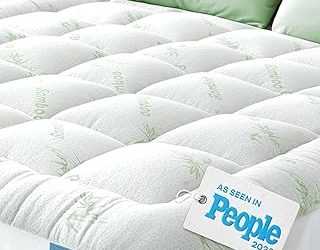
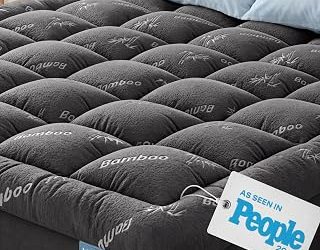
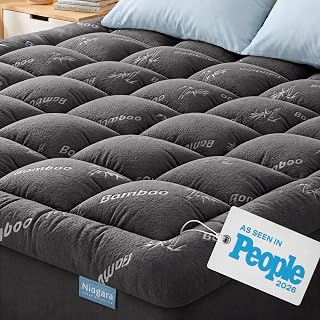
Niagara Sleep Solution Ultra Soft & Cooling Bamboo Topper
The rayon-from-bamboo face has a cool, faintly slippery hand that keeps surface temperature down, and the 20-inch pocket swallows even a tall hybrid without riding up. It’s my default recommendation for side sleepers whose real complaint is heat rather than pressure.
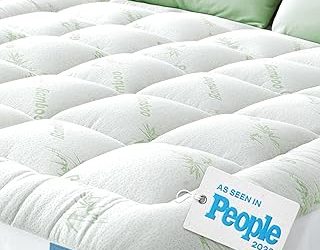
BEDLORE Viscose Bamboo Pillow Top
A thicker, more generously filled take on the same idea, with stretchable pockets that grip anything from 6 to 18 inches. The extra loft gives a shoulder somewhere to go while the breathable viscose cover keeps the microclimate from turning stuffy.
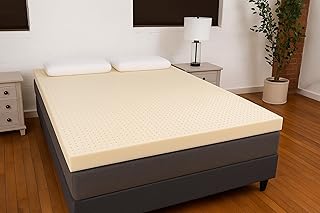
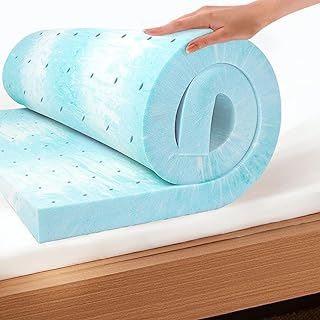
EGO 3-Inch Gel Memory Foam Topper
Three inches of ventilated, gel-infused CertiPUR-US foam is the most reliable fix for a mattress that’s simply too firm, and the perforation pattern does measurably help airflow. Expect a slow, deliberate sink — this is the pick for genuine hip and shoulder pain.
LUCID 2-Inch 5-Zone Gel Memory Foam Topper
The five-zone construction varies firmness along the body so your shoulders soften while your midsection stays supported, which is exactly what side sleepers need and rarely get at this thickness. A smart choice if 3 inches would make your bed feel unstable.
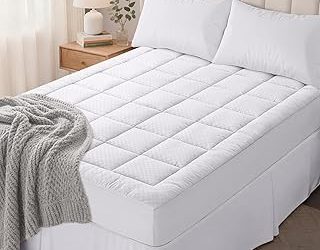
Extra Thick 1000GSM Down Alternative Pillow Top (King)
At 1000GSM this is the plushest option here, closer to a featherbed than a foam topper, and the 8–21 inch skirt handles almost any build. Ideal for guest rooms or anyone chasing cloud-like softness without foam’s heat retention.
Frequently Asked Questions
How thick should a topper be for side sleeping?
Two inches is the practical minimum, 3 inches suits most people, and 4 inches or more makes sense if your mattress is firm or you’re above roughly 230 pounds. Thicker is not automatically better — beyond 4 inches, edge stability suffers.
Will a memory foam topper make me sleep hotter?
Somewhat, yes. Gel infusion and ventilated cores reduce it, and a moisture-wicking cover helps more than most buyers expect. If you already run hot, a bamboo-faced pillow top will serve you better than dense foam.
Can a topper rescue a genuinely bad mattress?
It can soften one that’s too firm, which is a common and fixable problem. It cannot correct sagging or a failed support core — a topper follows the dip beneath it rather than bridging it.
How do I stop the topper sliding around?
Buy the correct pocket depth, dress it with a deep-pocket fitted sheet pulled taut, and give foam a full day to relax flat before use. Those three steps solve nearly every migration complaint.
Final Thoughts
If your shoulder is the problem, the EGO 3-Inch Gel Memory Foam Topper does the most structural work of anything here, with the LUCID 5-Zone as the lower-profile alternative for beds that already feel about right. If heat is what wakes you, start with the Niagara Sleep Solution bamboo topper — cool to the touch, deep-pocketed, and the easiest way to dim a bed that’s been running too bright.