Key takeaways
- Fiber over marketing: Rayon and viscose derived from bamboo, along with Tencel lyocell, pull moisture off skin faster than polyester microfiber. That wicking action is what actually produces the cool sensation — the fabric name is just shorthand for it.
- Membrane quality: Waterproofing means a polyurethane backing. Thin, air-permeable TPU laminates breathe; cheap thick PVC does not. If a listing won’t say which, treat that silence as an answer.
- Acoustic behavior: Noiseless construction matters more than buyers expect. A cover that rustles every time you shift becomes a stimulus, and stimulus is exactly what a sleep environment is designed to remove.
- Pocket depth against real mattress height: Measure your mattress with the topper already on it. A 20-inch pocket sounds generous until a 4-inch foam layer eats the margin and the corners pop off nightly.
- Protection versus padding: Decide whether you want a thin barrier that preserves your mattress feel, or a pillow-top pad that adds cushioning. Those are different products solving different complaints.
What's inside
In lighting design, we spend our days chasing an effect the client never names directly: the moment a room stops feeling like a room and starts feeling like rest. You layer a 2200K bedside lamp, dim the overheads to twenty percent, kill the blue spill from the TV standby LED — and the client still tells you they woke up at 3 a.m. Nine times out of ten, the culprit isn’t photometric. It’s thermal. Heat is the one ambient variable people forget to design for, and it undoes every other cue you’ve carefully staged.
A mattress cover sits closer to the sleeper than any fixture ever will, which makes it the most underrated piece of ambience hardware in the bedroom. The wrong one traps body heat under a plastic film and turns a beautifully calibrated space into a sweat box. The right one moves moisture and heat away quietly, without crinkle, without slippage, without that clammy vinyl handfeel. Below, I’ve assessed the strongest cooling covers available in 2026 the way I’d assess a luminaire — on materials, on how they behave over hours rather than seconds, and on whether they disappear into the environment or fight it.
As an Amazon Associate we earn from qualifying purchases.



How to Choose a Cooling Mattress Cover in 2026
- Fiber over marketing: Rayon and viscose derived from bamboo, along with Tencel lyocell, pull moisture off skin faster than polyester microfiber. That wicking action is what actually produces the cool sensation — the fabric name is just shorthand for it.
- Membrane quality: Waterproofing means a polyurethane backing. Thin, air-permeable TPU laminates breathe; cheap thick PVC does not. If a listing won’t say which, treat that silence as an answer.
- Acoustic behavior: Noiseless construction matters more than buyers expect. A cover that rustles every time you shift becomes a stimulus, and stimulus is exactly what a sleep environment is designed to remove.
- Pocket depth against real mattress height: Measure your mattress with the topper already on it. A 20-inch pocket sounds generous until a 4-inch foam layer eats the margin and the corners pop off nightly.
- Protection versus padding: Decide whether you want a thin barrier that preserves your mattress feel, or a pillow-top pad that adds cushioning. Those are different products solving different complaints.
The Best Cooling Mattress Covers of 2026, Reviewed
Niagara Sleep Solution Ultra Soft & Cooling Mattress Topper (Queen)
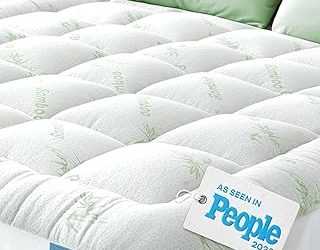
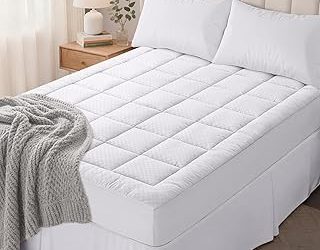
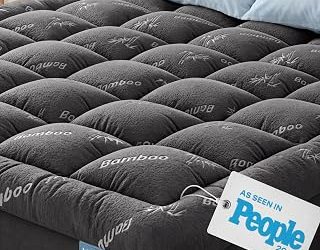
This is the pick for sleepers who need cushioning and cooling in one layer — the pillow-top fill softens a firm mattress while the bamboo-derived rayon surface keeps the contact point dry. The 20-inch pocket accommodates tall builds, and back-pain sufferers tend to notice the pressure redistribution within a week.
Cooling Waterproof Mattress Protector with 3D Air Fabric (Queen)
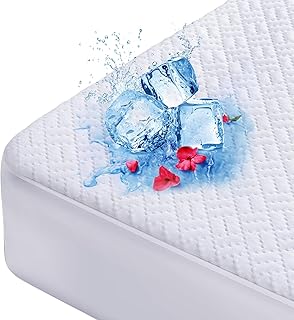
The 3D spacer knit is the standout here: it creates a genuine air channel between skin and membrane rather than relying on fabric thinness alone. Best suited to hot sleepers who want waterproofing without any of the trapped-heat penalty, and the 8-to-21-inch pocket range is unusually forgiving.
Utopia Bedding Bamboo Viscose Waterproof Protector (Queen)
A well-executed everyday option — soft bamboo viscose face, quiet backing, stretchable pockets that hold through a night of movement. It fits mattresses to 17 inches and washes without the stiffening you get from lower-grade laminates, which makes it the sensible default for most bedrooms.
Luxury Tencel Mattress Protector (Queen)
Tencel lyocell has the highest moisture regain of the fibers in this roundup, and it shows: the surface stays cool to the touch even when the room drifts warmer than ideal. The fully waterproof build and 18-inch pocket make it a strong choice for guest rooms where you want protection to feel invisible.
PlushDeluxe Bamboo Waterproof Protector (King)
The most refined handfeel of the group, and the obvious answer for king beds where cheaper covers tend to bunch across the middle. Hypoallergenic, noiseless, and dimensionally accurate at 76×80 inches with an 18-inch depth allowance.
Frequently Asked Questions
Does a waterproof cover always sleep hot?
Not anymore. Older vinyl backings blocked airflow entirely, but modern breathable TPU membranes paired with a wicking face fabric transfer moisture vapor effectively. The heat problem is a construction issue, not an inherent property of waterproofing.
Should I use a cooling cover over a memory foam topper?
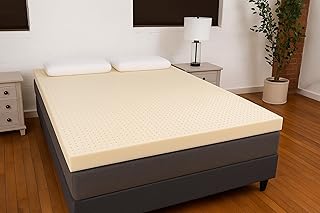
Yes, and it often helps — foam retains heat, and a wicking cover gives that heat a path away from your skin. Just recalculate your pocket depth to include the topper’s thickness.
How often should these be washed?
Every two to four weeks for the cover, cold or warm wash, low heat or line dry. High dryer heat is the fastest way to damage a waterproof membrane and shorten the product’s usable life.
Will a cover fix a mattress that already sleeps hot?
It improves the surface experience meaningfully but won’t change what’s happening deep inside the mattress core. If the mattress itself is the heat sink, treat the cover as mitigation rather than a cure.
Final Thoughts
If you want one recommendation, the Utopia Bedding bamboo viscose protector delivers the best balance of breathability, quiet, and price for most bedrooms. Hot sleepers who want maximum airflow should go with the 3D Air Fabric protector, and anyone needing added cushioning alongside cooling will get more from the Niagara Sleep Solution topper. Get the thermal layer right and every other ambience decision in the room finally holds.