Key takeaways
- UV stability over raw strength: A fabric can be tough and still surrender its color in one summer. Look for stated UV resistance and solution-dyed or pigment-stable polyester, because faded seating reads as tired the moment low sun crosses it.
- Denier and hand feel together: 600D canvas is the versatile middle ground for cushions and covers; 900D trades some drape for real abrasion resistance on high-traffic seats. Match the weight to how the piece gets used, not to the biggest number.
- Water shedding versus breathability: Waterproof canvas keeps rain out but can trap moisture against foam. Woven vinyl mesh drains and dries fast, which makes it the smarter pick for uncovered chairs that catch overnight dew.
- How the surface handles light: Pale khaki and white bounce warm light beautifully after dusk and stay cooler at midday, but show dirt. Deep greens and graphite absorb glare and hide grime, though they run hot in full sun. Choose based on where the piece actually sits.
- Frame material and weight: Powder-coated aluminum resists corrosion and stays light enough to reposition as the sun moves across your patio — a genuine advantage over steel in coastal or humid climates.
What's inside
Most patio furniture doesn’t fail all at once. It fades in stages — a cushion that goes chalky by the second August, a sling seat that sags where the afternoon sun hits hardest, a frame that starts leaving rust freckles on the deck boards. And because outdoor spaces live under changing light rather than a fixed ceiling fixture, those failures read louder than they would indoors. Low evening sun rakes across a surface and exposes every uneven patch; overhead noon light flattens texture and shows color drift you’d never notice at dusk. Material choice is what determines whether your seating holds up to that scrutiny or quietly gives itself away.
This guide approaches outdoor materials the way I’d approach a lighting plan: thinking about how each surface behaves under direct sun, in shade, and under warm string lights after dark, alongside the practical questions of water shedding, UV stability, and how many seasons you’ll get before a rebuild. We cover ready-built aluminum seating and the reupholstery fabrics — waterproof canvas in several weights, plus woven vinyl sling mesh — that let you refresh what you already own instead of replacing it.
As an Amazon Associate we earn from qualifying purchases.


How to Choose a Material For Outdoor Patio Furniture (2026)
- UV stability over raw strength: A fabric can be tough and still surrender its color in one summer. Look for stated UV resistance and solution-dyed or pigment-stable polyester, because faded seating reads as tired the moment low sun crosses it.
- Denier and hand feel together: 600D canvas is the versatile middle ground for cushions and covers; 900D trades some drape for real abrasion resistance on high-traffic seats. Match the weight to how the piece gets used, not to the biggest number.
- Water shedding versus breathability: Waterproof canvas keeps rain out but can trap moisture against foam. Woven vinyl mesh drains and dries fast, which makes it the smarter pick for uncovered chairs that catch overnight dew.
- How the surface handles light: Pale khaki and white bounce warm light beautifully after dusk and stay cooler at midday, but show dirt. Deep greens and graphite absorb glare and hide grime, though they run hot in full sun. Choose based on where the piece actually sits.
- Frame material and weight: Powder-coated aluminum resists corrosion and stays light enough to reposition as the sun moves across your patio — a genuine advantage over steel in coastal or humid climates.
The Best Material For Outdoor Patio Furniture (2026)s Reviewed
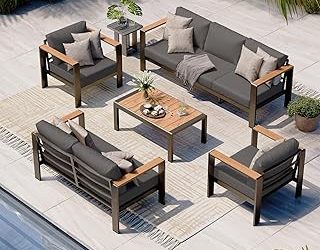
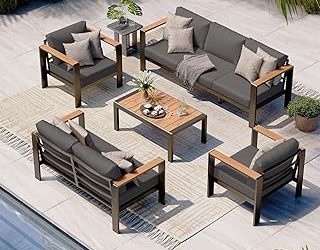
Aluminum 5-Piece Patio Conversation Set with Coffee Table
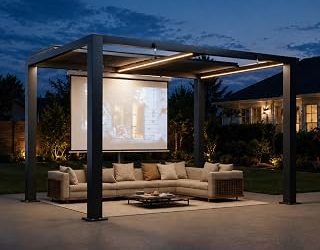
The powder-coated aluminum frame is the right call here: rust-resistant, light enough to rearrange seasonally, and finished in graphite so it recedes rather than competing with planting or lighting. Washable thick cushions are the practical detail that matters most, since removable covers are what keep a sectional looking intentional after a few seasons of pollen and rain.
600D Waterproof Canvas Fabric, Khaki
This is the reliable default for cushion covers and DIY upholstery — substantial enough to hold shape over foam, pliable enough to sew on a domestic machine. The khaki tone is quietly useful for evening spaces, reflecting warm light without the glare that pure white throws back at string bulbs.
SL003 Beige Woven Sling Vinyl Mesh
Sling mesh solves the problem canvas can’t: it drains rather than holds water, so chairs left uncovered dry within the hour. The open weave also filters light in an appealing way, catching a soft glow from behind at low sun angles rather than sitting flat.
900D Waterproof Canvas Fabric, White
Step up to 900D when the seat sees daily use or the piece needs a cover that survives being dragged on and off. The heavier construction and stated UV resistance buy you meaningful extra seasons, and white keeps surface temperature down under direct exposure — just budget for more frequent cleaning.
SmoothNovelty Vinyl Woven Sling Fabric, 2 Yards
Generous yardage makes this the sensible choice for restoring a full set of sling chairs in one pass, with enough left over for the inevitable mistake on the first frame. The beige weave is neutral enough to sit alongside existing cushions without a jarring mismatch.
Frequently Asked Questions
Is waterproof canvas or sling mesh better for cushions?
Canvas, without much debate. Cushions need a surface that shields the foam core, and 600D or 900D waterproof polyester does that. Sling mesh is structural seating fabric stretched across a frame, not a cushion covering.
How long should outdoor upholstery fabric last?
With UV-resistant polyester and winter storage, expect three to five seasons before noticeable fade. Fabric left in unshaded southern exposure year-round will show wear considerably sooner.
Does color choice affect comfort?
Yes, measurably. Dark graphite and green surfaces absorb more solar heat and can get uncomfortable to sit on by mid-afternoon, while khaki and white stay cooler and reflect softer light in the evening.
Can I sew this fabric on a regular machine?
600D canvas handles fine with a heavy-duty needle and polyester thread. 900D and vinyl mesh are more demanding — go slowly, use a walking foot if you have one, and expect to replace needles.
Final Thoughts
If you want a complete solution, the graphite aluminum 5-piece conversation set covers frame durability and washable cushions in one purchase. For refreshing what you own, the 600D khaki waterproof canvas is the most versatile fabric here, while the SmoothNovelty vinyl woven sling gives you enough yardage to restore a full set of chairs properly.