A bread knife purchase really comes down to one moment: the first cut into a loaf you waited a day to bake. If the blade is too short, too dull or too flexible, it crushes the crumb you worked for and tears the crust into shards. The real decision is matching blade length and tooth style to the loaves you slice most, whether that is a crackly sourdough boule or a soft sandwich loaf.
This roundup is for home bakers who slice crusty loaves every week, for sandwich makers who need even slices from soft pan bread, and for cooks who also press a serrated blade into service on tomatoes, melons and layer cakes. Each knife below was chosen from the names, models and specifications published on its Amazon product page.
Quick Picks
As an Amazon Associate we earn from qualifying purchases
Product
Best for
Key spec from title
Mercer Culinary Millennia M23210
Everyday slicing of crusty and soft loaves
10-inch wide wavy edge blade
Victorinox Fibrox Pro Bread Knife
A secure grip with wet or floury hands
10.25-inch serrated blade with Fibrox Pro handle
Tojiro Bread Slicer 235mm F-737
Light-pressure cuts through hard sourdough crust
235mm blade, 14.8 inches overall
Mac Knife Superior Bread Knife SB-105
Thin, clean slices with few crumbs
10.5-inch blade, 2 mm thin
Wüsthof Classic Double-Serrated Bread Knife
Forged build and very thin, even slices
9-inch double-serrated forged blade
How to Choose
Blade Length Versus Your Widest Loaf
A serrated knife cuts on the stroke, so the toothed section has to stay inside the loaf from the first tooth to the last. When the blade is shorter than the loaf is wide, you end up pressing straight down or cutting in from both sides, and both habits squash soft crumb and bend the slice. A blade of 10 inches or more crosses most home boules in a single pass. A 9-inch knife handles pan loaves and baguettes happily, but it runs out of stroke on a wide round loaf, which is exactly where crooked, torn slices come from.
Serration Style: Wavy, Scalloped or Double
The teeth do the gripping while the valleys do the cutting. Wide wavy and scalloped edges, like the ones on the Mercer, Tojiro and Mac below, glide through crumb with less tearing and leave fewer crumbs on the board, which suits delicate sandwich bread and cake. Pointed teeth bite into a hard crust faster but can shred a soft interior. A double-serrated edge, the Wüsthof pattern, sets smaller teeth inside each large scallop, so the work spreads across more points and the edge stays keen longer. Match the pattern to your usual loaf: daily crackly crusts reward a gripping edge, while tender crumb rewards a gliding one.
Blade Thickness, Stiffness and Flex
Thin blades slice with less wedging. A 2 mm blade like the Mac, or the slim Tojiro, slips through open crumb without pushing the loaf out of shape, so slices keep their height. The trade is control: a flexible blade can bow and wander when a dense, seedy loaf pushes back, giving you a wedge-shaped slice. Wider, stiffer blades like the Mercer and Victorinox track straighter and forgive a heavier hand. If your slices come out uneven in thickness, stiffness is the fix. If your crumb compresses before the cut finishes, thinness is the fix.
Handle Grip and Knuckle Clearance
A bread knife works down at board level, so what happens at the end of the stroke matters. Handles that sit in line with the blade, like the Tojiro’s, can bring your knuckles close to the board as the cut finishes, while an elevated handle like the Mac’s lifts your hand clear. Textured synthetic grips, the Mercer and Victorinox pattern, stay secure when hands are wet or dusted with flour. Smooth wood feels warmer and looks better on the counter, but it asks for a dry hand and a relaxed grip rather than a squeeze.
The 5 Best Options
Mercer Culinary Millennia M23210
Top Pick
Mercer Culinary Millennia M23210
Best for: Bakers who want one long, dependable knife for daily loaves of every kind.
Blade length: 10 inches
Blade material: One-piece high-carbon Japanese steel
If you slice bread most days and want the decision over with, start here. The Millennia M23210 pairs a 10-inch wide wavy edge with a stiff, one-piece blade that bites into hard crust instead of skating across it, then keeps moving through soft crumb without folding the slice over. The molded handle has textured finger points and a finger guard, so it stays put when your hands are dusted with flour. It is the style of knife culinary schools and sandwich shops hand to new staff, because it works hard, shrugs off daily use, and asks very little of the person holding it.
Victorinox Fibrox Pro Bread Knife
Runner-Up
Victorinox Fibrox Pro Bread Knife
Best for: Cooks who want a grippy, no-fuss knife that matches the Fibrox handles they already trust.
Cooks who already own a Fibrox Pro chef’s knife will feel at home immediately. This 10.25-inch serrated blade carries the same chunky, textured handle that stays secure in a wet or floury grip, and the gently curved wavy edge starts cuts on rounded loaves without the tip skidding sideways. The blade is long enough for wide boules, layer cakes and melons, yet light enough that slicing a full sandwich loaf does not tire your wrist. It suits anyone who values a secure hold and predictable, even slices over polished materials or a showpiece finish.
Tojiro Bread Slicer 235mm F-737
Tojiro Bread Slicer 235mm F-737
Best for: Sourdough bakers who slice crusty loaves several times a week with a light touch.
The F-737 is the pick for bakers who hate pressing down. Its thin stainless blade and fine wave edge start into a glassy sourdough crust with almost no downward force, so a tall, open crumb stays tall instead of compressing into gum. At under four ounces it feels closer to a pen than a tool, and the natural wood handle keeps the balance toward the blade. The trade is flexibility: the slim blade can wander inside very dense loaves, so it rewards a light, patient stroke and punishes anyone who tries to muscle through the cut.
Mac Knife Superior Bread Knife SB-105
Mac Knife Superior Bread Knife SB-105
Best for: Frequent bakers who want the cleanest, thinnest slices and clear knuckles on tall loaves.
Blade length: 10.5 inches
Blade thickness: 2 mm
Handle material: Pakkawood, attached with three rivets
Think of the Superior SB-105 as the refined version of the budget pattern. The 10.5-inch blade is only 2 mm thick and gently curved, with rounded scalloped teeth that slice cleanly and shed fewer crumbs than pointed serrations do. An elevated pakkawood handle lifts your knuckles clear of the board, which matters most at the bottom crust of a tall boule, where most slices go crooked. It is built for bakers who cut several loaves a week and want thin, even slices from a knife that feels precise rather than merely adequate for the job.
Wüsthof Classic Double-Serrated Bread Knife
Wüsthof Classic Double-Serrated Bread Knife
Best for: Cooks who slice pan loaves, challah and tomatoes and want a forged knife that matches a German set.
Blade length: 9 inches
Blade edge: Double-serrated
Blade material: High-carbon stainless steel
Construction: Forged from a single piece of steel, full tang
The Classic is the forged option, and you feel it the moment you pick it up: a full tang, a bolster, and triple-riveted handle scales that give the knife real heft. Its double-serrated edge sets smaller teeth inside each large scallop, so the blade grips a hard crust quickly and still finishes soft crumb without tearing it. A short blunt section near the tip is there to rock through the tough bottom crust at the end of the cut. At 9 inches, it favors pan loaves, bâtards and tomatoes over the widest round boules.
Which One Fits Your Situation
You Bake Crusty Sourdough Every Week
Reach for the Tojiro F-737 or the Mac SB-105. Both are long and thin, so the edge starts into a hard crust with light pressure and the crumb underneath keeps its open structure. The Tojiro is the lighter, simpler tool; the Mac adds an elevated handle and a touch more stiffness for bakers who slice several loaves in a row.
You Mostly Slice Soft Sandwich Loaves and Cake
The Mercer M23210 is the easy answer. Its wide wavy edge is gentle on tender crumb, the blade is long enough for a full pan loaf, and the grippy handle forgives a relaxed technique. It also handles layer cakes and melons without complaint, so it earns its drawer space even on weeks when no crusty bread appears.
Your Grip Gives Out Before the Loaf Does
Choose the Victorinox Fibrox Pro. The textured handle is the most secure here when hands are wet, floury or simply tired, and the light blade asks little of your wrist across a whole loaf. The Mercer runs a close second, with its finger guard adding a small margin of safety for less confident hands.
You Want a Forged Knife That Matches Your Set
The Wüsthof Classic is the one built like the rest of a German knife block: forged, full tang, bolstered and balanced toward the handle. Its double serrations also produce the thinnest, cleanest slices of tomatoes and soft loaves in this group. Just accept the 9-inch limit if your baking leans toward wide round loaves.
Common Mistakes
Buying an 8-inch knife for wide boules, then pressing down to finish the cut and crushing the crumb.
Sawing with short, fast strokes instead of using the full length of the blade in long, light passes.
Putting a serrated knife in the dishwasher, where the teeth bang against racks and the edge dulls early.
Storing a long bread knife loose in a drawer without a blade guard, which chips teeth and risks fingers.
Trying to hone serrations on a regular steel, which rounds the teeth instead of restoring them.
Frequently Asked Questions
What length bread knife is best for sourdough boules?
Choose a blade of at least 10 inches for round boules. The toothed edge needs to stay inside the loaf for the whole stroke, and a shorter blade forces you to press down or cut from both sides. The 10-inch Mercer, 10.25-inch Victorinox and 10.5-inch Mac above all clear a typical home boule in one pass.
Can a bread knife be sharpened?
Yes, but not the way you sharpen a straight edge. Each tooth has to be worked individually with a tapered rod, which is slow at home, and double-serrated edges like the Wüsthof’s are best sent to a professional service. The good news is that serrated edges keep cutting acceptably for years, because the recessed parts of the edge stay sheltered from the board.
Why not just use a chef’s knife on bread?
A straight edge has no teeth to grip the crust, so it skates on a hard loaf and then compresses the soft interior as you push through. A serrated blade starts the cut with its points and saws through with light strokes, which is why the same loaf slices cleanly with a bread knife and comes out squashed and torn with a chef’s knife.
Are bread knives safe to put in the dishwasher?
The makers of every knife in this roundup say hand wash, and the listings back that up. Dishwasher cycles knock the exposed teeth against racks and other utensils, detergent is hard on wood and pakkawood handles, and a long loose blade is a hazard when unloading. A quick wash, an immediate dry and a guard or block slot keep the edge as it arrived.
H
Home Beautiful Design Editorial Team
We compare specs, materials and verified owner reviews before a product earns a spot. Rankings are never paid.
Affiliate disclosure. As an Amazon Associate we earn from qualifying purchases at no extra cost to you. Prices accurate as of the date shown.
Discover the best reed diffuser for living rooms, bedrooms, and bathrooms. Compare five elegant, long-lasting reed diffusers for inviting home fragrance.

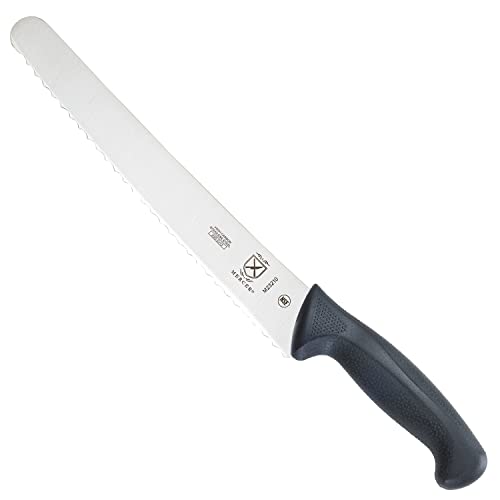


 Mac Knife Superior Bread Knife SB-105
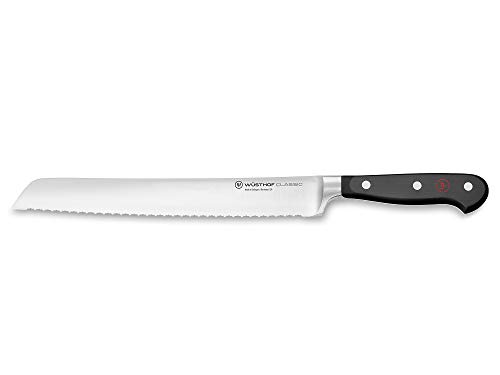 Wüsthof Classic Double-Serrated Bread Knife