Key takeaways
- Sheen level: Matte and lightly oiled finishes absorb ambient light and stay calm under lamps; high-gloss vinyl throws hotspots that mirror every bulb in the room. If your seating faces a window or a bright fixture, go matte.
- Grain depth: Pronounced natural grain catches raking light and creates its own micro-shadow, which reads as depth and warmth at low light levels. Smooth, flat surfaces need stronger sidelight to look like anything but a shape.
- Undertone, not just color: Warm bulbs (2700K) push browns toward red and can turn tan sofas amber. Cool daylight drains that warmth and exposes grey undertones. Test any swatch under both before committing to a full hide.
- Square footage math: A standard three-seat sofa typically needs 50–70 sq ft with waste factored in. Full sides run around 20 sq ft; large hides 40–44 sq ft. Order from a single batch so dye lots don’t shift across cushions.
- Thickness for the job: Roughly 1.0–1.4mm suits cushions and panels that need to wrap and stretch. Heavier weights hold structure on arms and backs but fight you at corners and seams.
What's inside
Leather is the only upholstery material that behaves differently at 9am than it does at 9pm. Buyers rarely account for this. They pick a hide under the flat white glare of a phone screen or a warehouse fluorescent, then get it home and discover that the “rich chocolate” they ordered reads flat and muddy under their 2700K table lamps, or that a beautiful full-grain pulls almost orange when the afternoon sun rakes across it. The material didn’t change. The light did.
This guide approaches sofa leather the way I approach a room: as a surface that has to hold up under every lighting condition it will live in. I’ve looked at how each of these hides and faux options handle warm bulbs, cool daylight, raking sidelight, and the dim pooled glow of a single lamp at night. Below you’ll find genuine cowhides, full sides, pre-cut sheets, and vegan PU alternatives — with notes on grain depth, sheen behavior, and how each one sits in a real room after dark.
As an Amazon Associate we earn from qualifying purchases.




How to Choose a Leather For Sofa (2026)
- Sheen level: Matte and lightly oiled finishes absorb ambient light and stay calm under lamps; high-gloss vinyl throws hotspots that mirror every bulb in the room. If your seating faces a window or a bright fixture, go matte.
- Grain depth: Pronounced natural grain catches raking light and creates its own micro-shadow, which reads as depth and warmth at low light levels. Smooth, flat surfaces need stronger sidelight to look like anything but a shape.
- Undertone, not just color: Warm bulbs (2700K) push browns toward red and can turn tan sofas amber. Cool daylight drains that warmth and exposes grey undertones. Test any swatch under both before committing to a full hide.
- Square footage math: A standard three-seat sofa typically needs 50–70 sq ft with waste factored in. Full sides run around 20 sq ft; large hides 40–44 sq ft. Order from a single batch so dye lots don’t shift across cushions.
- Thickness for the job: Roughly 1.0–1.4mm suits cushions and panels that need to wrap and stretch. Heavier weights hold structure on arms and backs but fight you at corners and seams.
The Best Leather For Sofa (2026)s Reviewed
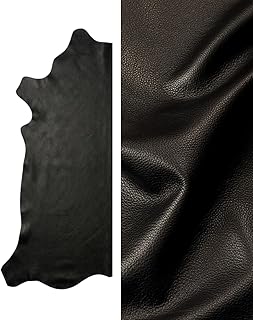
Premium Genuine Natural Grain Cowhide Full Side (Black, 20 sq ft)
Black leather is the hardest surface to light well, and this one manages it because the natural grain gives the eye something to catch — under a warm lamp it reads as texture rather than a void. Order two or three sides for a full sofa and keep them from the same batch.
Full Hide Weekender Two Tone Cognac (40–44 sq ft)
The two-tone finish is doing real work here: the darker pigment settles into the grain and the lighter tone sits on the high points, so the surface shifts as light moves across it through the day. This is the pick if your sofa sits near a window and you want that change to be an asset.
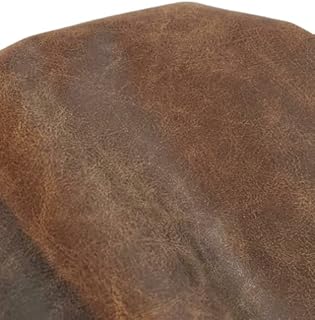
NAT Leathers Brown Distressed Vegan PU (36″ x 54″)
A rare faux option that doesn’t announce itself under artificial light — the oily distressed finish breaks up reflections the way real leather does, avoiding the plasticky sheen most PU develops under downlights. At 0.9mm it wraps cushions easily.
Wento Thick Faux Leather, Camel Tan (1 Yard)
The grain embossing is deep enough to hold shadow, which keeps camel tan from going washed-out and yellow under warm bulbs. A practical reupholstery choice for chairs and cushions where you want lightness without glare.
Genuine Full Grain Cowhide Sheet, Cognac (12″ x 24″)
Too small for a whole sofa, but ideal for testing how cognac behaves in your actual room before you order forty square feet of it. Also the right tool for patching worn arm panels and repairing seat edges.
Frequently Asked Questions
Why does my leather look different from the product photos?
Product images are shot under bright, neutral studio light. Your living room probably runs warmer and dimmer, which shifts browns redder and mutes contrast. Always order a small sheet first and view it under your own lamps at night.
How much leather does a sofa actually need?
Plan on 50–70 sq ft for a three-seater, including cutting waste. Curved arms and tufting push that higher. Measure each panel, add 15–20%, then buy in one order.
Does faux leather look convincing under low light?
The better ones do. Low light hides color imperfections but exaggerates sheen, so matte, textured PU like the NAT Leathers and Wento options holds up well after dark. Glossy vinyl gives itself away immediately.
Will leather fade near a window?
Yes. Direct sun lightens and dries any hide over time. Aniline and lightly finished leathers develop patina attractively; pigmented finishes tend to go patchy. Sheer diffusion at the window solves most of it.
Final Thoughts
For a full sofa with real presence after dark, the Weekender Two Tone Cognac hide is the strongest choice — its layered finish keeps working as the light changes. The Premium Genuine Cowhide Full Side is the pick for a disciplined black build, and the NAT Leathers Distressed Vegan PU is the faux option I’d trust in a lamplit room.