Key takeaways
- Support core over surface feel: The top two inches determine first impressions; the coil unit or high-density base determines whether the bed still works in year four. Pocketed springs with reinforced gauge in the center third hold up best under sustained load.
- Zoned construction: Look for mattresses that soften at the shoulder and firm up through the lumbar span. Uniform firmness forces a compromise that helps neither region — much like lighting a whole room from one central fixture.
- Profile height: Fourteen inches or more gives comfort layers space to compress fully. Anything under twelve tends to transmit the base through to the hip once weight exceeds roughly 230 pounds.
- Heat pathways: Deeper compression means more foam contact and less air movement. Gel infusions help modestly; coil units and cool-touch covers do the real work of moving warmth away from the skin.
- Trial length and warranty terms: Side-sleeping adaptation takes three to four weeks. A 100-night minimum is reasonable, and a warranty that specifies its sag threshold in inches is more useful than one that only lists years.
What's inside
A bedroom is the one room where we design for the body first and the eye second. I spend most of my working life tuning dimmers, choosing color temperatures, and figuring out how light lands on a surface — and the surface I keep coming back to is the bed. Heavy side sleepers face a specific structural problem: the shoulder and hip carry nearly all the load, and a mattress that can’t absorb those two points forces the spine into a shallow curve. Under 2700K bedside light you can literally see it, the way a hip creates a shadow trough while the lumbar region floats above the surface. That gap is where the ache comes from.
This guide looks at mattresses through that same lens: how well they hold shape under concentrated weight, how deep the pressure zones sink before the support core catches them, and how much heat they trap once you’ve settled in for the night. I’ve focused on 14-inch builds because taller profiles give the comfort layers room to yield without bottoming out on the base — the difference between a fixture with proper throw distance and one mounted too close to the wall. Below are six current options worth considering, followed by a buyer’s framework and answers to the questions that come up most.
As an Amazon Associate we earn from qualifying purchases.


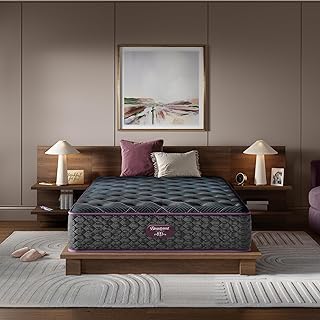


How to Choose a Mattress For Heavy Side Sleepers (2026)
- Support core over surface feel: The top two inches determine first impressions; the coil unit or high-density base determines whether the bed still works in year four. Pocketed springs with reinforced gauge in the center third hold up best under sustained load.
- Zoned construction: Look for mattresses that soften at the shoulder and firm up through the lumbar span. Uniform firmness forces a compromise that helps neither region — much like lighting a whole room from one central fixture.
- Profile height: Fourteen inches or more gives comfort layers space to compress fully. Anything under twelve tends to transmit the base through to the hip once weight exceeds roughly 230 pounds.
- Heat pathways: Deeper compression means more foam contact and less air movement. Gel infusions help modestly; coil units and cool-touch covers do the real work of moving warmth away from the skin.
- Trial length and warranty terms: Side-sleeping adaptation takes three to four weeks. A 100-night minimum is reasonable, and a warranty that specifies its sag threshold in inches is more useful than one that only lists years.
The Best Mattress For Heavy Side Sleepers (2026)s Reviewed
BedStory 14 Inch Hybrid
Built explicitly around heavier bodies, with a pocket spring unit that resists the center-channel sag that ruins most foam beds. The zoned lumbar section keeps the waist supported while the shoulder area gives enough to prevent that pinched-rotator-cuff feeling by morning.
Beautyrest World Class Level Three Plush 14.75″
The plushest option here, and the one I’d point toward if you sink deep and still want a substantial support system underneath. At nearly 15 inches with a durable coil core, it delivers a soft entry without the hollow feeling that thinner plush mattresses develop under load.
Sweetnight CoolNest 14 Inch
An all-foam build with five distinct support zones, tuned to a medium feel that suits side sleepers who want contouring rather than push-back. Breathability is the standout — it runs noticeably cooler than most memory foam at this depth.
Novilla 14 Inch Gel Memory Foam Hybrid
Pairs pocketed coils with gel foam and a cool-touch nylon cover, which is a sensible combination for anyone who sleeps warm on their side. Spinal alignment holds well because the coils catch the hip before the foam runs out of travel.
Sleepmax Queen 14 Inch Hybrid
A strong value pick with genuine pressure relief and a 365-night trial that removes most of the risk from buying online. Fiberglass-free construction is worth noting if you’d rather not worry about the cover staying zipped.
Frequently Asked Questions
What firmness should a heavy side sleeper choose?
Medium to medium-firm, generally. Heavier bodies compress a mattress further than the label suggests, so a bed rated medium-firm often feels medium once you’re on it. True firm surfaces tend to leave the shoulder unsupported.
Are hybrids better than all-foam for heavier sleepers?
Usually, yes. Coil units push back more consistently under sustained weight and vent heat better. High-density all-foam can work well, but it needs to be genuinely dense, not just thick.
How long should one of these mattresses last?
Six to eight years for a well-built hybrid under heavier use, versus the eight to ten often quoted for average loads. Rotating every three months meaningfully extends that.
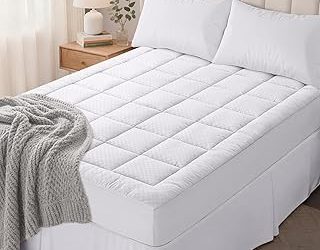
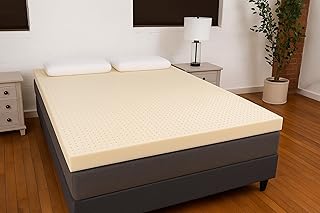
Will a mattress topper fix an unsupportive bed?
A topper can soften a surface that’s too firm, but it can’t create support that isn’t there. If your hips are sinking past your shoulders, the problem sits in the core and a topper only masks it.
Final Thoughts
For most heavy side sleepers, the BedStory 14 Inch Hybrid is the most direct answer — it was engineered for this exact load profile and the zoned coil unit shows it. The Beautyrest World Class Level Three Plush is the better choice if you want a softer entry with serious support underneath, while the Novilla Gel Memory Foam Hybrid strikes a good middle ground for anyone whose main complaint is heat as much as pressure.