How to Choose a Water Filter Pitcher for Your Home
Learn how to choose a water filter pitcher by capacity, filter type and certification, comparing Brita, PUR, ZeroWater, LifeStraw and Waterdrop models.
A water filter pitcher is the cheapest way to improve tap water without plumbing, installation or a countertop appliance. Every model works the same basic way: you fill the top, gravity pulls the water through a filter, and the filtered water waits in the fridge or on the counter. What separates the models is what the filter is designed to reduce, how long it lasts, how much the pitcher holds, and how the whole thing behaves in daily use.
This guide explains the decisions in order, then compares five pitchers that represent the main approaches: a certified mainstream filter, a lead-focused filter with a change indicator, a five-stage system built to deliver zero total dissolved solids, a glass pitcher with a membrane microfilter, and a long-life filter model that needs changing far less often. All reduction and certification figures below are the listings’ own claims, presented as claims rather than independent test results.
As an Amazon Associate, we earn from qualifying purchases.
Quick answer
Choose by filter first and pitcher second. For general taste and everyday use, the Brita Elite or PUR Plus covers most homes. If you want the most aggressive filtration and like measuring results, choose the ZeroWater with its five-stage filter and included meter. The LifeStraw Home suits buyers who want glass and membrane filtration, and the Waterdrop suits anyone who hates changing filters.
Brita Large 10-Cup Elite Water Filter Pitcher
Top Pick
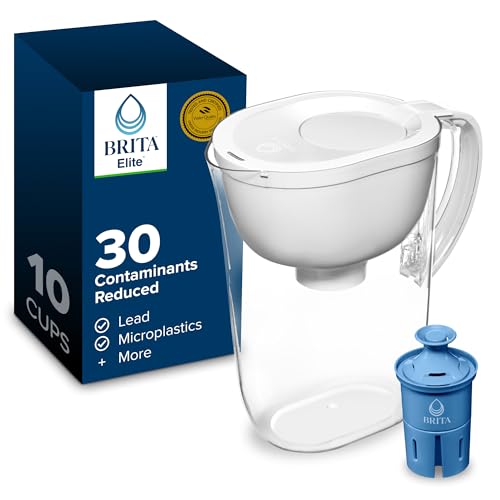
Brita Large 10-Cup Elite Water Filter Pitcher
Capacity: 10 cups
Filter included: 1 Elite filter
Certification: WQA NSF/ANSI certified per the listing
Reduction claims: 99 percent of lead, microplastics and 30 contaminants per the listing
The Brita Elite pitcher is the mainstream benchmark. It holds 10 cups, is BPA-free, and comes with one Elite filter included. The listing states the pitcher is WQA certified to NSF/ANSI standards and that the Elite filter reduces 99 percent of lead, microplastics and 30 contaminants, while removing the taste and odour of chlorine. Those are the maker’s listing claims, and they cover the reasons most people buy a pitcher in the first place.
Brita’s wider advantage is availability: Elite filters are sold almost everywhere, so replacements are easy to find. Filter life for the Elite filter class is stated on sibling listings as up to six months, roughly double the standard Brita filter, which lowers the ongoing hassle. Colour variants of this pitcher are separate listings, so make sure the colour you pick is the one in your basket before ordering.
The PUR Plus is the pick for buyers whose main concern is lead and who want the pitcher itself to nag them about filter changes. It holds 11 cups, the largest capacity in this group, and includes one lead-reducing PUR Plus filter. A filter change light indicator removes the guesswork about when the filter is due, which in practice is where most pitcher owners fall down.
The pitcher is dishwasher safe, which makes the periodic deep clean genuinely easy, and the LockFit cap design is meant to keep the lid secure while pouring. This sage-coloured version is one specific listing among several near-identical PUR 11-cup models, so check the model code if colour or configuration matters to you.
ZeroWater takes a different approach from everyone else here. Its five-stage filter is designed to deliver water with zero total dissolved solids, and the listing states it is IAPMO certified to reduce lead, chromium and PFOA/PFOS. Uniquely in this group, a TDS meter is included, so you can test your water before and after filtering and use the reading to judge when the filter is spent.
The Ready-Pour design lets you pour from the spout while the remaining water is still filtering through the reservoir, which removes the wait that frustrates people with slower pitchers. The trade-off for five-stage filtration is that filters work harder and can exhaust faster in areas with high dissolved solids, so the meter is not a gimmick; it is the tool that tells you when performance has actually dropped.
Specs
Capacity: 10 cups
Filtration: 5-stage, designed to deliver 0 TDS per the maker
Certification: IAPMO certified to reduce lead, chromium and PFOA/PFOS per the listing
Included: TDS meter
Design: Ready-Pour spout for pouring while filtering continues
Model: ZP-010
LifeStraw Home Water Filter Pitcher, 7-Cup Glass
LifeStraw Home Water Filter Pitcher, 7-Cup Glass
Capacity: 7 cups
Material: glass with silicone base
Filtration: membrane microfilter plus activated carbon and ion-exchange filter
Protection claims: bacteria, parasites, microplastics, lead, mercury, PFAS and chemicals per the listing
The LifeStraw Home is the only glass pitcher in this group, with a silicone base to protect it and the counter. It holds 7 cups, the smallest capacity here, and pairs a membrane microfilter with an activated carbon and ion-exchange filter. The listing states protection against bacteria, parasites, microplastics, lead, mercury, PFAS and a variety of chemicals; as with the other models, that is the listing’s stated protection rather than independently verified performance.
Glass appeals to buyers avoiding plastic for the body of the pitcher, and it does not pick up fridge odours the way some plastics can. The smaller capacity means more frequent refilling in a family kitchen, so this model fits singles, couples and smaller households best. Colour variants are separate listings.
Waterdrop 10-Cup Water Filter Pitcher
The Waterdrop pitcher’s headline is filter life. The included filter is rated by the maker at 200 gallons, which Waterdrop states is five times the lifetime of standard filters, so this is the model for people who know they will forget regular changes. The pitcher holds 10 cups, is BPA free, and the listing states NSF certification plus reduction of PFOA/PFOS and chlorine.
One honest distinction matters: Waterdrop’s own copy notes this system does not lower TDS. That is not a defect; standard carbon filtration is aimed at taste, odour and specific contaminants rather than dissolved solids. But if your goal is zero-TDS water, this is the wrong tool and the ZeroWater above is the right one. Evidence for this particular listing is thinner than for the others, and Waterdrop sells many similar-looking 10-cup models, so double-check the model on the page before ordering.
Specs
Capacity: 10 cups
Filter life: 200 gallons per the maker (stated as 5x standard filter lifetime)
Certification: NSF certified per the listing
Reduction claims: PFOA/PFOS and chlorine per the listing
TDS: does not lower TDS, per the maker’s own copy
Material: BPA free
How to choose
Decide what you want the filter to do before you look at pitchers. If the goal is better taste and less chlorine smell, any mainstream filter here does it. If lead is the concern, look for a filter whose listing names lead reduction and a relevant certification, like the Brita Elite and PUR Plus. If you want maximum removal including dissolved solids, only the ZeroWater’s five-stage design targets that, and its meter lets you verify the result.
Match capacity to your fridge and your household. A 10 or 11-cup pitcher suits families but takes real shelf space and is heavy when full. A 7-cup pitcher like the LifeStraw fits small fridges and small households but needs refilling more often. Also consider filter life: a 200-gallon filter or a six-month filter class cuts both cost and effort over a year, while short-life filters only make sense if you will genuinely change them on schedule. An indicator light, like the PUR’s, helps more than good intentions.
Finally, think about material and upkeep. Plastic pitchers are light and cheap to replace; glass feels better and avoids plastic contact but is heavier and breakable. Dishwasher-safe parts make the monthly clean far more likely to happen.
Who should skip
Skip pitchers entirely if your household drinks a lot of water all day, because a faucet-mounted or under-sink system will keep up better and cost less per gallon over time. Skip the ZeroWater if your tap water already has low dissolved solids and you only care about taste, since its filters will cost you more for removal you do not need. Skip the small glass LifeStraw if you have a busy family kitchen, where the capacity and fragility will frustrate you. And skip any pitcher if nobody in the house will change the filter, because an exhausted filter is worse than none.
FAQ
How often do pitcher filters need changing?
It depends on the filter class. Standard pitcher filters are commonly rated around two months, long-life classes such as Brita’s Elite are stated at up to six months on sibling listings, and the Waterdrop filter here is rated at 200 gallons by its maker. Follow the figure for your specific filter and use any built-in indicator where fitted.
Does a filter pitcher remove everything from water?
No. Listings state reductions for specific contaminants, and those claims differ by model. Carbon-based filters mainly address taste, odour and named contaminants. Only the ZeroWater in this group is designed to reduce total dissolved solids to zero. Read the claim for the model you buy rather than assuming.
What does TDS mean, and should I care?
TDS means total dissolved solids, a measure of everything dissolved in the water. A high reading is not automatically unsafe, but some buyers prefer the taste of low-TDS water and like being able to measure filter performance. If that appeals, choose the model with the included meter.
Can I keep the pitcher on the counter instead of the fridge?
Yes, though filtered water tastes better cold to most people and the fridge discourages stale water sitting for days. Whatever you choose, empty and wash the pitcher regularly, and do not top up endlessly without cleaning the reservoir.
Final verdict
Most homes should buy the Brita Elite 10-Cup for its balance of certification claims, capacity and easy filter availability, or the PUR Plus 11-Cup if the change indicator and extra capacity matter more. Choose the ZeroWater if measurable, maximum filtration is the goal, the LifeStraw Home if you want glass and membrane filtration in a smaller format, and the Waterdrop if long filter life is what will actually keep you using the pitcher.
ZeroWater 10-Cup Ready-Pour 5-Stage Water Filter Pitcher, ZP-010
Discover the best reed diffuser for living rooms, bedrooms, and bathrooms. Compare five elegant, long-lasting reed diffusers for inviting home fragrance.



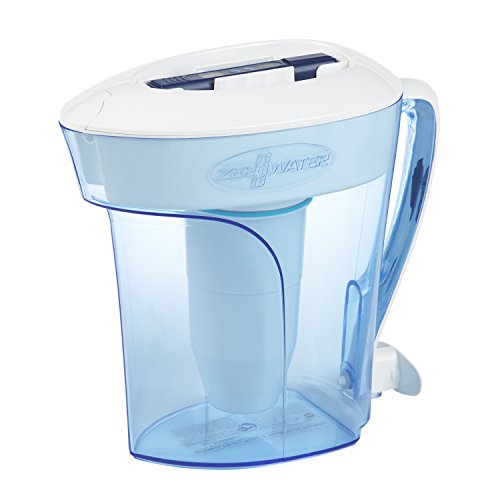 ZeroWater 10-Cup Pitcher Water Filter Removes PFOA/PFAS10-Cup11.63 x 5.93 x 11 inches1 poundsCheck on Amazon