Key takeaways
- Depth over softness: Side sleeping loads two narrow pressure points, so you need travel, not just plushness. Two inches is a corrective layer for a mattress that’s nearly right; three to four inches is what you want when the bed underneath is genuinely too firm and your shoulder has nowhere to sink.
- Layered construction: The best performers work like a three-point lighting setup — a soft top layer for surface comfort, a denser support layer beneath it to stop bottoming out. Single-density slabs either feel mushy or feel like nothing at all.
- Heat pathways: Memory foam holds warmth against the largest contact area your body makes in any sleeping position. Look for gel infusion, open-cell structure, or a viscose bamboo cover that moves moisture rather than trapping it.
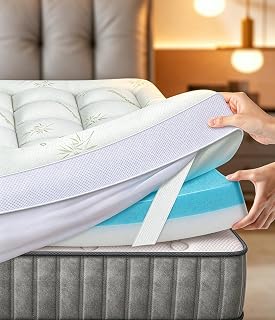
- Fit and anchoring: Deep-pocket skirts and stretch corner straps matter more than the spec sheet suggests. A topper that migrates two inches each night puts your shoulder over a seam by morning.
- Verified foam: CertiPUR-US certification confirms the foam is made without formaldehyde, heavy metals, or certain flame retardants — a baseline worth insisting on for something that sits inches from your face for eight hours.
What's inside
Anyone who designs rooms for a living learns the same lesson twice: a space fails at the edges, not the center. In lighting work, the culprit is a bare bulb throwing hard shadows into corners nobody looks at until they’re standing in one. In a bedroom, the culprit is a mattress that meets a side sleeper only at the shoulder and the hip, leaving everything between them unsupported and everything under them compressed. You feel it the way you feel a badly aimed downlight: not as one obvious problem, but as a low hum of discomfort that keeps you adjusting all night.
A topper is the diffuser you clip over that harsh source. It doesn’t rebuild the fixture underneath, it softens the throw and evens out the falloff. This guide covers what actually matters for side sleepers choosing one in 2026 — depth, foam density, cooling behavior, and how the thing anchors to your bed — followed by hands-on notes on the toppers worth your attention and answers to the questions buyers ask most.
As an Amazon Associate we earn from qualifying purchases.


How to Choose a Mattress Topper For Side Sleeper (2026)
- Depth over softness: Side sleeping loads two narrow pressure points, so you need travel, not just plushness. Two inches is a corrective layer for a mattress that’s nearly right; three to four inches is what you want when the bed underneath is genuinely too firm and your shoulder has nowhere to sink.
- Layered construction: The best performers work like a three-point lighting setup — a soft top layer for surface comfort, a denser support layer beneath it to stop bottoming out. Single-density slabs either feel mushy or feel like nothing at all.
- Heat pathways: Memory foam holds warmth against the largest contact area your body makes in any sleeping position. Look for gel infusion, open-cell structure, or a viscose bamboo cover that moves moisture rather than trapping it.
- Fit and anchoring: Deep-pocket skirts and stretch corner straps matter more than the spec sheet suggests. A topper that migrates two inches each night puts your shoulder over a seam by morning.
- Verified foam: CertiPUR-US certification confirms the foam is made without formaldehyde, heavy metals, or certain flame retardants — a baseline worth insisting on for something that sits inches from your face for eight hours.
The Best Mattress Toppers For Side Sleepers (2026), Reviewed
Fracho 4 Inch Dual Layer Memory Foam Topper
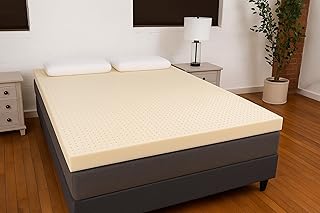
The four-inch dual construction — a two-inch bamboo rayon pillow top over two inches of cooling gel memory foam — is the most complete answer here for side sleepers on a mattress that’s too firm. The medium-firm rating is honest: your shoulder drops in, but the lower layer holds your ribcage and waist in line instead of letting you fold.
Linenspa 2 Inch Gel Memory Foam Topper
A precise, unfussy correction rather than a rebuild. Two inches of gel-infused foam takes the sharp edge off a mattress that’s close but unforgiving, and the plush surface relieves hip pressure without raising your bed height enough to fight your fitted sheets.
3 Inch Ultra-Fluffy Pillow Top Topper
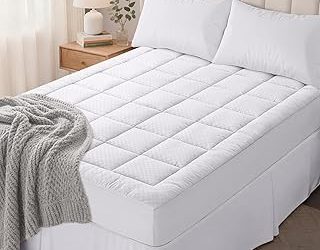
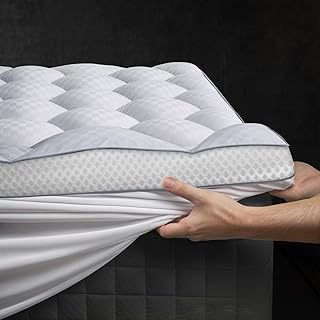
This one leans into cushioning with a genuinely soft pillow-top surface and 4X support zoning, which suits side sleepers who wake with lower-back complaints. The breathable air mesh sides and 6–21″ deep pocket make it one of the more forgiving fits for tall mattresses or stacked foundations.
BEDLORE Viscose Bamboo Pillow Top Pad
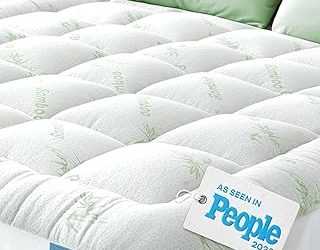
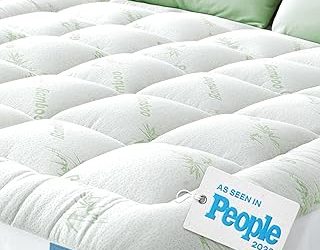
A thick pillow-top pad built for people who run hot — the viscose bamboo surface stays cool to the touch, and stretchable pockets grip mattresses from 6″ to 18″ without creeping. Best treated as a comfort layer rather than a firmness fix, since it cushions well but doesn’t add deep contour travel.
Niagara Sleep Solution Ultra Soft & Cooling Topper
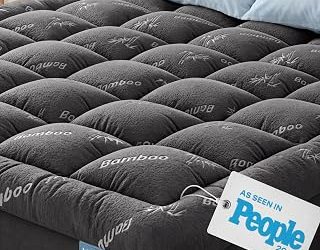
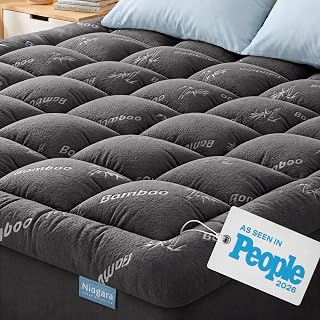
Rayon derived from bamboo over a pillow-top fill, with a 20″ deep pocket that handles almost any bed. The standout is temperature behavior: it sheds heat more readily than most foam-forward options, which makes it a sensible pick for warm rooms and warm sleepers.
Frequently Asked Questions
How thick should a topper be for side sleeping?
Three to four inches if your mattress is too firm and you wake with shoulder or hip soreness. Two inches is enough when the bed is only slightly off and you want to fine-tune the surface.
Will memory foam sleep too hot?
Untreated foam will. Gel infusion, open-cell foam, and a viscose bamboo cover meaningfully change the outcome, as does a topper with breathable mesh sides that lets air move laterally.
Can a topper fix a sagging mattress?
No. It can mask minor surface unevenness, but a topper follows the contour beneath it — a dipped mattress will telegraph straight through. Replace the mattress instead.
How do I keep a topper from sliding?
Choose one with a fitted skirt or corner straps sized to your mattress depth, then use a taut fitted sheet over the top. Toppers designed to sit loose on the surface almost always drift.
Final Thoughts
If your mattress genuinely fights your shoulder, the Fracho 4 Inch dual-layer topper is the strongest correction on this list, with the 3 Inch Ultra-Fluffy pillow top close behind for anyone who wants softness with back support. If heat is the real complaint and firmness is only a minor annoyance, the Niagara Sleep Solution cooling topper is the smarter buy — and the Linenspa 2 Inch is the right call for a light, low-profile adjustment.