Key takeaways
- Glass: Tempered glass reflects light and allows the rug to show. Wipe it often and consider rounded corners if children use the room.
- Light wood: Oak, ash and similar tones feel airy. Check whether the maker lists solid wood, veneer or laminate.
- Thin metal frames: Slender legs keep visual weight low. Powder-coated finishes are common; read care instructions.
- Acrylic: Clear acrylic tables are light and nearly invisible, but can scratch. Follow the maker’s cleaning guidance to avoid hazing the surface.
- Avoid heavy stone or very dark thick slabs in a tight room unless you want a statement piece.
For a small sectional, a compact round table, a nesting pair or a lightweight glass-and-metal table is usually the best fit, while a low-profile ottoman suits buyers who want soft edges and flexible seating. In a small living room, the table has to leave a clear walkway, keep sightlines open and still provide enough surface for drinks and remotes.
Small sectionals, often called apartment-size or compact sectionals, typically have a short chaise or a reversible chaise and a narrower overall footprint. This guide covers how to size and shape a table for tight spaces, material choices that keep a room feeling open, features worth looking for, and budget-tier trade-offs. It does not rank specific models; use the framework to read the maker’s dimensions and finish notes.
Coffee Tables for Small Sectionals at a Glance
| Table Style | Best For | Why It Works | Limits |
|---|---|---|---|
| Small round table | Corners of compact L-shapes | No corners to hit; easy to move around | Limited surface |
| Nesting tables | Changing needs and small spaces | Tuck away when not needed | Smaller surfaces; more pieces |
| Glass-top with slim metal legs | Rooms that need to feel open | Visual lightness; floor and rug stay visible | Shows fingerprints; care with children |
| Low-profile rectangular table | Sectionals with a low seat | Slim silhouette and more surface than round | Corners can block narrow walkways |
| Small storage ottoman | Studios and apartments | Doubles as seat, footrest and storage | Needs a tray for drinks |
| Lift-top compact table | Work from the sofa | Raises to laptop height; stores flat | Heavier mechanism; check the lift |
| Wall-hugging console behind sofa | Floating sectionals | Keeps the middle clear | Not a true coffee table |
Sizing for a Small Space
Walkway Clearance
The most common mistake in a small room is a table that is too big. Leave about 14 to 18 inches between the sectional and the table for legroom, and aim for about 24 to 30 inches of walkway around other sides where you can. If the room cannot offer this, choose a smaller or rounder table, or a table on casters you can move aside.
Table Length
For a small sectional, a table about half to two-thirds the length of the side it faces tends to look balanced. Measure the open floor inside the L and subtract the clearances. Mark the outline with painter’s tape for a day or two to see how it feels in daily use.
Height
Choose a table top at or a little below seat height. Compact sectionals often have lower seats, so a slim, low table usually fits better than a tall one.
Shapes That Save Space
Round and Oval
Round tables remove corners and let people pass at any angle. A small oval adds some length without adding sharp corners.
Nesting Sets
Two or three tables of descending size slide into each other. Pull them apart for guests and push them together to free up floor space. They also let you mix materials, such as a wood top with a metal top.
Ottomans
A small ottoman softens the room and can be moved easily. Add a tray for a stable surface. Some ottomans have hinged tops with storage inside, which helps in small homes.
Slim Rectangular
A narrow, long table works for sectionals with a long side and a shallow depth in front. Look for tapered legs and an open base so the floor remains visible.
Materials That Keep a Room Open
- Glass: Tempered glass reflects light and allows the rug to show. Wipe it often and consider rounded corners if children use the room.
- Light wood: Oak, ash and similar tones feel airy. Check whether the maker lists solid wood, veneer or laminate.
- Thin metal frames: Slender legs keep visual weight low. Powder-coated finishes are common; read care instructions.
- Acrylic: Clear acrylic tables are light and nearly invisible, but can scratch. Follow the maker’s cleaning guidance to avoid hazing the surface.
- Avoid heavy stone or very dark thick slabs in a tight room unless you want a statement piece.
Features Worth Having
- Lift-top: Gives a laptop or meal surface without adding a second table.
- Hidden storage: A shelf or hinged top reduces clutter.
- Casters: Make a small table easy to move for a pull-out bed or vacuuming. Look for locking casters.
- Stackable or nesting design: Saves space between uses.
- Rounded corners: Helps in tight walkways and homes with children.
Choosing by Budget Tier
- Budget: Compact laminate tables, simple glass-and-metal designs and nesting sets. Lightweight and flat-packed, so expect to assemble and tighten screws.
- Mid-range: Veneer or solid-wood tables with storage or lift-tops, plus stronger hardware.
- Premium: Solid hardwood, high-quality metalwork or designer-style small tables. Suited to buyers who want a long-lasting centerpiece.
Pick X If Decision Table
| Pick This | If You Need | Trade-Off |
|---|---|---|
| Small round table | A tight walkway in front of a compact L-shape | Limited surface |
| Nesting tables | Surfaces that expand and shrink | More pieces to manage |
| Glass and metal table | An airy, open feel | Needs frequent wiping; caution with kids |
| Storage ottoman | Soft edges and hidden storage | Needs a tray; fabric can stain |
| Lift-top table | Laptop and dining use on the sofa | Mechanism needs care |
| Table on casters | Easy repositioning in a flexible room | Can roll if not locked |
| Console behind the sofa | A clear center for a floating sectional | Less convenient to reach |
Layout Tips for Small Rooms
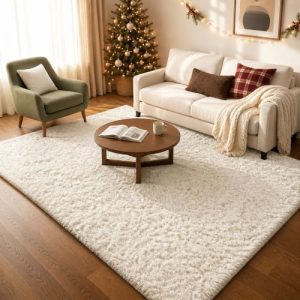
Choose a table with visible legs and an open base so you can see the floor beneath it. Use a rug that is large enough that at least the front legs of the sectional sit on it, which makes the seating zone feel organized. Keep the surface minimal, with a tray and one or two items. Place a small round table in the corner of the L, or shift a slim rectangular table toward the open end so the chaise remains accessible. If the sectional has a pull-out section, ensure the table can move out of the way.
Care and Safety
Use coasters on all surfaces. Clean glass with a non-abrasive cleaner and avoid placing hot items on surfaces that the maker does not say are heat-resistant. Tighten screws and fasteners after assembly and every few months. If the table has a lift mechanism or casters, follow the maker’s instructions and keep fingers clear of moving parts. In homes with young children, choose rounded corners and keep the table stable. If a table wobbles, adjust the feet or add felt pads and do not use it as a step.
Alternatives to Consider
Floor Cushions or Poufs
Pair a tray with a pouf for a table that can be moved or stored easily.
C-Shaped Side Table
A C-shaped table slides under the sectional’s edge, putting a surface within reach without taking up center floor space.
Wall Shelf or Narrow Console
If space is extremely tight, a shelf or console along a wall can hold lamps, remotes and drinks.
Buying Notes
Compare the maker’s stated dimensions with your tape outline rather than relying on photos, since small tables can look larger or smaller in styled images. Read the weight capacity if you plan to use the table for laptops or as a footrest, and look at the assembly notes: flat-packed tables are easy to carry up stairs but need careful tightening. If you rent, felt pads under the legs protect floors, and a lightweight table is easier to move at lease end. Think about how the sectional’s chaise moves or reverses, and choose a table that works on either side. Finally, if space is truly limited, buy for the next two or three years, and expect to swap the table when you move to a larger place.
Layering a small rug, a tray and a lamp on a nearby side table creates a finished look without extra bulk. Resist the urge to fill every corner; open floor space is what makes a small room feel larger.
Frequently Asked Questions
What size coffee table should I get for a small sectional?
Choose a table about half to two-thirds the length of the sofa side it faces, and leave about 14 to 18 inches between the sofa and the table. Taping the outline on the floor helps you check the fit before you buy.
Is a round or rectangular table better for a small sectional?
Round tables are generally better in tight spaces because they have no corners to bump into and are easy to walk around. A slim rectangular table works if the room is long enough and the walkway is clear.
Are nesting tables a good choice for small living rooms?
Yes, because you can spread them out when you have guests and tuck them in when you do not. They do offer smaller surfaces, so they suit people who use the table lightly.
Can I use an ottoman as a coffee table with a small sectional?
Yes. An ottoman with a tray gives a soft, movable surface and can store blankets. Choose a performance fabric and keep drinks on the tray.
Is a glass coffee table good for a small room?
It can be, because glass keeps the room feeling open. It shows fingerprints and needs careful handling if children are around, so look for tempered glass and rounded corners.
How do I keep a small coffee table from looking cluttered?
Limit the items to a tray, a small plant or candle and a book or two. Use storage in the table or nearby for remotes and blankets. A lift-top or storage ottoman can help hide clutter.
More from Amazon
Programs that pair well with the guide above. Offers and eligibility are set by Amazon and may change.
Collect the home and kitchen items you want in one registry that guests can shop from.
Create a wedding registrySet up recurring deliveries of everyday items on eligible products. Terms and savings are set by Amazon.
Explore Subscribe & SaveFree shipping on eligible items, Prime Video and more. Eligible new members can start with a free trial.
Start a Prime free trialAudiobooks and podcasts to listen to on the go. Eligible new members can start with a free trial.
Try Audible freeAs an Amazon Associate we earn from qualifying purchases.