Key takeaways
- Built-in storage: Baskets, drawers or ottoman interiors hide toys and keep floors clear.
- Wipeable surfaces: Sealed wood, laminate and performance fabric simplify cleanup after snacks.
- Weight and base width: A heavy, wide base resists pulling and tipping.
- Open shelves: Low shelves hold books within a child’s reach, but ensure the shelves are stable and do not allow climbing.
- Soft-close drawers and stops: Reduce pinching and keep drawers from being pulled out entirely.
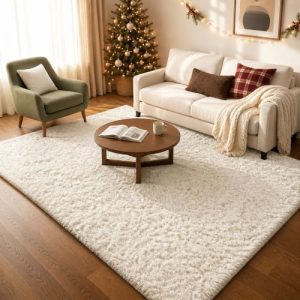
For families with toddlers, a round or oval coffee table with rounded edges, a soft ottoman-style top, or a low storage ottoman is usually the safest fit, while a sturdy, heavy wood table with corner guards suits families who want a conventional look, and a glass-topped table is the option most parents avoid until children are older. The aim is to remove hard corners, reduce tip-over risk and give a surface that wipes clean after snacks and art projects.
No coffee table is childproof, and supervision matters most. This guide covers shapes, materials, stability, add-on protection and care notes, along with trade-offs by budget tier. It does not rank specific models. Read each maker’s spec sheet for weight, dimensions, corner radius, and assembly instructions, and follow the maker’s guidance on child safety.
Toddler-Friendly Coffee Tables at a Glance
| Table Style | Best For | Why Families Choose It | Limits |
|---|---|---|---|
| Upholstered storage ottoman | Crawlers and early walkers | Soft top, no hard corners, hidden storage for toys | Fabric stains; needs a tray for drinks |
| Round wood table | Active toddlers, tight layouts | No sharp corners, easier to walk around | Wood can still bruise; edges vary by design |
| Oval or soft-corner rectangular table | Larger seating areas | More surface than round, softened corners | Check corner radius on the spec sheet |
| Low or lower-height table | Toddlers who play at the table | Kid-height play and drawing space | Less convenient for adults |
| Storage table with doors or drawers | Families with many toys | Keeps clutter off the floor and out of sight | Drawers can pinch fingers; look for soft-close and stops |
| Table with lift top | Eating and homework at the sofa | Flexible surface heights | Moving parts and hinges need caution |
| Glass table | Homes with older children only | Easy to wipe and visually light | Breakage and edge risks with toddlers; many parents avoid it |
Shape and Corners
Why Rounded Shapes Help
Toddlers are still learning balance and often fall against furniture. Round and oval tables remove the sharp corner at head height, which is the part of a rectangular table most associated with bumps. Rounded rectangles also help, but check the maker’s description because corner softness varies.
Soft Tops
Upholstered ottomans are favored by many parents because the surface is padded. They are best with a firm tray on top for drinks and snacks. Choose stain-resistant or performance fabric and read the cleaning code on the maker’s tag.
Corner and Edge Guards
If you already own a table with hard corners, foam or silicone corner guards can reduce the impact. Follow the guard maker’s instructions for adhesives, and confirm the adhesive will not damage your finish. Corner guards reduce, but do not remove, the chance of injury.
Stability and Tip-Over Safety
Toddlers climb, pull up on furniture and lean heavily on edges. Choose a table with a wide base and a low center of gravity. Heavier tables are harder to tip, but also harder to move, so consider your floor protection. Avoid tables with thin pedestal bases or narrow legs. Test the table by pressing down on an edge and seeing if it tilts or wobbles. If you use a lift-top table, ensure the mechanism locks securely and keep small hands away from the hinges and springs.
Placing items on the table that a toddler may pull down is also a consideration. Keep hot drinks, candles, heavy decorations and small objects out of reach. If you use a tray, choose one with a lip.
Materials and Finishes
Solid Wood and Engineered Wood
Solid wood tables are sturdy and can be refinished after scratches. Engineered wood and laminate tables are lighter and more affordable but can chip. Look for finishes the maker describes as low-VOC or compliant with relevant standards if indoor air quality is a concern, and allow new furniture to air out.
Upholstery
Performance fabrics and faux leather wipe clean more easily than natural fibers. Textured weaves hide stains better than flat fabrics. Always test cleaners on a hidden area first and follow the maker’s directions.
Glass and Stone
Tempered glass is designed to break into small pieces, but breakage can still cause injury. Stone and marble are heavy, hard and can be dangerous if a child falls. Many parents choose to store these tables or replace them until children are older.
Metal
Metal frames are durable, but exposed edges and joints may be a concern for little hands. Look for rounded tubing and smooth welds, and tighten all fasteners regularly.
Features That Help Families
- Built-in storage: Baskets, drawers or ottoman interiors hide toys and keep floors clear.
- Wipeable surfaces: Sealed wood, laminate and performance fabric simplify cleanup after snacks.
- Weight and base width: A heavy, wide base resists pulling and tipping.
- Open shelves: Low shelves hold books within a child’s reach, but ensure the shelves are stable and do not allow climbing.
- Soft-close drawers and stops: Reduce pinching and keep drawers from being pulled out entirely.
Choosing by Budget Tier
- Budget: Round laminate tables, simple ottomans and basic storage cubes. Often lightweight, so test stability and consider anti-tip or corner protection.
- Mid-range: Solid wood or engineered wood tables with softened edges and storage, plus performance-fabric ottomans.
- Premium: Heavier hardwood construction, refined finishes, soft-close hardware and better upholstery. Suits families who want a table that lasts beyond the toddler years.
Pick X If Decision Table
| Pick This | If You Need | Trade-Off |
|---|---|---|
| Upholstered ottoman with tray | The softest option for crawlers and walkers | Spills and stains need quick cleaning |
| Round wood table | A conventional look without corners | Wood is still hard if a child falls |
| Oval storage table | Toy storage and more surface area | Heavier; watch drawers and doors |
| Low play table | A kid-height activity surface | Less comfortable for adults |
| Existing table plus corner guards | A budget solution | Guards reduce but do not remove risk |
| No coffee table, floor seating | A fully open play area | Less surface for drinks and remotes |
Care and Maintenance
Wipe spills immediately. Use mild soap and a damp cloth on sealed wood and laminate, and follow the cleaning code on upholstery. Avoid harsh chemicals that can damage finishes. Inspect screws, joints and corner guards every few weeks, because toddlers lean and pull on furniture and fasteners can loosen. Replace worn guards and fix loose parts promptly. If the table has a lift mechanism, keep it clean and follow the lubrication guidance in the manual.
Layout Tips
Place the table away from main walking paths and keep at least a couple of feet of clearance around it for toddlers. A large rug under the table cushions falls and adds grip. Keep cords and small items off the surface. As children grow, you can reposition the table, move it to another room or swap it for a more traditional style. If you need to keep a glass or stone table, consider moving it to a space children do not use until they are older.
Alternatives to Consider
Large Ottoman or Pouf
A soft seat or footrest that doubles as a table with a tray. It is easy to move and gentle in a fall.
Play Mat with Low Table
For families who spend most of their time playing on the floor, a play mat and a small kids’ table can replace a coffee table for a few years.
Side Tables
Two small, light side tables placed beside the sofa keep drinks within reach and leave the center of the room open.
Buying Notes for Parents
Read the maker’s listed weight, base width and edge description, and look for a stated weight capacity if children may sit or lean on the top. Allow new furniture to air out, and keep packaging, plastic bags and small hardware away from children during assembly. Re-tighten fasteners after the first weeks of use. Anchoring is a separate matter: tall storage pieces are the ones most often anchored, while low coffee tables rely on a wide base, but if the maker offers anti-tip hardware, follow its instructions. As your child grows, reassess the table every few months, since climbing and pulling habits change quickly. If a child is injured or a product breaks in a way that seems unsafe, stop using it and contact the maker, and seek medical care where appropriate.
Many families also set up a dedicated play area with a soft mat so the toddler has a place to play away from the coffee table. That reduces how often the table becomes a play surface and keeps the living room usable for adults.
Frequently Asked Questions
What is the safest coffee table shape for a toddler?
Round and oval shapes are generally preferred because they avoid sharp corners. Upholstered ottomans offer a soft surface. No shape removes all risk, so supervision is essential.
Are glass coffee tables safe with toddlers?
Many parents avoid them. Tempered glass is made to break into small pieces, but it can still break and cause injury, and hard edges can hurt in a fall. If you already own one, consider moving it until your child is older.
Do corner guards really work?
They soften impacts and reduce the chance of cuts, but they do not make a table safe on their own. Choose guards that fit your table edges, follow the instructions for attaching them, and check them regularly for peeling or damage.
Should I get a storage ottoman or a table?
An ottoman is softer and hides toys, but needs a tray for drinks and may stain. A table gives a firmer surface and better stability for homework or meals. Many families choose an ottoman for the toddler years and switch to a table later.
How can I stop my toddler climbing on the coffee table?
Offer other places to climb, such as a play structure, and teach rules calmly and consistently. A heavy table with a wide base is harder to tip. If your child is a frequent climber, consider removing the table for a while and speak with your pediatrician if you have safety concerns.
What height should a coffee table be for a toddler?
Lower tables reduce the distance of a fall and make it easier for children to reach toys, but they are less convenient for adults. Many families choose a table at or slightly below the sofa seat height and make sure it is stable and rounded.
More from Amazon
Programs that pair well with the guide above. Offers and eligibility are set by Amazon and may change.
Collect the home and kitchen items you want in one registry that guests can shop from.
Create a wedding registrySet up recurring deliveries of everyday items on eligible products. Terms and savings are set by Amazon.
Explore Subscribe & SaveFree shipping on eligible items, Prime Video and more. Eligible new members can start with a free trial.
Start a Prime free trialAudiobooks and podcasts to listen to on the go. Eligible new members can start with a free trial.
Try Audible freeAs an Amazon Associate we earn from qualifying purchases.